


Service Areas
About Loodmy Jacques
OTHER LANGUAGES
Community Involvement
HOBBIES/INTEREST
Specialties
- Buyers
- Sellers
- Residential Property
Awards
-


2026
TOP AGENT
Lake Worth, FL
2026
TOP AGENT
Boynton Beach, FL
2026
TOP AGENT
West Palm Beach, FL
Answered Questions
Honestly, it depends on your market and price point, but here's what I've seen play out time and again: If your carpets are truly dated or stained, like they make you cringe when you walk in, yeah, I'd replace them. Buyers are emotional. They'll lowball you over ugly carpet even if everything else is pristine. And trust me, they won't give you full credit for a flooring allowance. They'll either ask for more money off than it would've cost you to do it, or they'll just move on to the next house. That said, if the carpets are just "older" but clean and neutral, you might be fine leaving them. Some buyers actually prefer carpet in bedrooms, especially families with young kids. I've had clients who specifically wanted it for noise reduction and comfort. Florida's a mixed bag on this. Tile everywhere can feel cold to some people, even in a warm climate. Here's my rule of thumb: if you're selling under $400K, a flooring allowance can work, but make it clear in the listing. Over that, buyers expect move-in ready, and carpet that "shows wear" will hurt you at showings. They'll fixate on it during walkthroughs, and suddenly your beautiful kitchen doesn't matter anymore. If you do replace, LVP is smart. It's durable, holds up in Florida's humidity, and appeals to a wide range of buyers. Just don't go too cheap or too trendy with the color. Neutral, wood-look tones in a mid-range product are your safest bet. I've seen people go with gray-wash oak or a warm walnut tone and it photographs beautifully. Bottom line? If it's in your budget and the carpet genuinely looks tired, do the work now. You'll likely net more and sell faster. If money's tight, test the market as-is, but be ready to negotiate hard on price. Just know that every buyer who walks through will mentally be deducting that flooring cost, and then some.
This is tricky, but family and business rarely mix well, especially when there's this much money on the line. Your house is probably your biggest asset. Using someone brand new is a huge risk. She doesn't have the experience to price it right or negotiate multiple offers. A bad listing can cost you tens of thousands. Here's what I'd do. Frame it around your needs, not her lack of experience: "We really appreciate you thinking of us. But we've already been talking to someone who specializes in our neighborhood and has tons of comps for our exact area." Or: "We're in a tight spot financially and need every dollar we can get. I'd feel terrible putting that pressure on you when you're just starting out." You could let her help stage or assist your actual agent if you want to keep the peace. Whatever you do, don't cave to avoid awkwardness. I've watched people lose serious money using a friend or relative who wasn't ready. One uncomfortable conversation beats a lowball offer any day.
They're not scams, but you'll get lowballed hard. These are investors who need to buy cheap enough to flip or rent for profit. You might get 60-70 cents on the dollar, sometimes worse. The "fast and easy" part is real, but you're paying a huge premium for convenience. When it makes sense: you're in a serious bind, need to sell immediately, can't afford repairs, or dealing with foreclosure or divorce. But if you have any wiggle room, list it with a realtor as-is. Plenty of buyers want fixer-uppers. You'll get more money even after paying commission. If you explore it, get multiple cash offers and compare. Never take the first one. And don't sign anything without reading it carefully. Bottom line: it's not a scam, but it's also not charity. They're buying low to sell high. Just know what you're giving up.
You can still sell it, but it's gonna complicate things and cost you money. Here's the deal. Most buyers get inspections, and unpermitted work will get spotted. When that happens, buyers either walk or demand a big price cut. Lenders hate unpermitted work too, so you might only get cash buyers, which means less money. The city won't automatically come after you for selling. But if it comes up during inspections or the buyer reports it, it can turn into a mess. Worst case, you get permits after the fact (expensive) or remove the work if it doesn't meet code. Your options: Sell as-is and disclose the unpermitted work upfront. Some buyers won't care, especially investors. You'll just get less money. Or get permits retroactively before you list. It's a hassle and costs money, but makes the house easier to sell at a better price. Don't hide it. That's how you get sued later. Disclose everything and let the buyer decide.
This one's all about the numbers. Foundation issues scare buyers. Lenders won't touch it, so you're looking at cash buyers only, which means deep discounts. Maybe 20-30% less than market value. But foundation work is expensive and unpredictable. A $30K estimate can balloon to $60K. And even after you fix it, buyers will still be nervous. You won't get full credit for the work. Run the math. Get quotes for the repair. Then ask a local realtor what your house would sell for as-is versus fixed. If the spread is less than what you'd spend on repairs, sell as-is. The historical value might attract specific buyers who'll pay up despite the issues. But if it's just "old," that's adding risk, not value. My take? Unless the ROI is crystal clear and you have cash for overruns, list it as-is. Price it right, disclose everything, and you'll find a buyer.
Why are you thinking about doing this? That's important because there might be better ways to handle it. If it's for estate planning so she inherits easily, just put it in your will or set up a transfer-on-death deed. Way cleaner and you keep full control. If you add her to the title now, here's what happens: you lose full control of your house. She'd have to agree to sell or refinance. If she gets sued, divorces, or has creditor problems, your house could be at risk. And you might trigger gift tax issues depending on your state. Plus, she loses the tax benefit. If she inherits it later, she gets a stepped-up basis and pays way less in capital gains if she sells. If you add her now, she's stuck with your original purchase price for tax purposes. Talk to an estate attorney before you do anything. This seems simple but it can create a mess.
The stuff that makes the biggest impact is cheap and fast: Power wash everything. Siding, driveway, walkways. $150 to rent or $300-500 to hire out. Instant facelift. Paint the front door. Bold color or classic black. One afternoon, under $100. Buyers fixate on it in photos. Clean up landscaping. Trim overgrown stuff, pull weeds, add fresh mulch, plant cheap colorful flowers near the entrance. $200-300 total. New house numbers and mailbox if yours are beat up. Under $100. Update the porch light if it's old or rusty. $50-100. Touch up peeling paint around windows or trim. Just fix what's obvious. Skip expensive stuff like new siding or a roof unless it's falling apart. Clean, tidy, and welcoming beats fancy every time.
You definitely need a lawyer who specializes in mineral rights and oil/gas issues to sort this out, because if those wells are active and you own the rights, you might be owed money. Don't sell until you get this cleared up, because it could be worth a lot more than you think.
The new NAR rules require agents to have a written agreement before showing properties, but they can use a simple one-time showing agreement just for that open house, not a full buyer representation contract. If they're pressuring you to sign a long-term exclusive agreement just to walk through, that's pushy and you can say no or find another agent.
You can do it, but know that not having a bathtub can turn off buyers with young kids, which might shrink your buyer pool a bit when you sell. If it's your forever home or you need the accessibility, go for it, just be aware of the trade-off.
Yes, repaint. Buyers struggle to see past bold colors and it absolutely affects offers. Neutral walls let them picture their own stuff and make rooms feel bigger and brighter. It's one of the cheapest, highest-return updates you can do before listing.
Replace them with LVP. Worn carpet, especially with pet wear, is a huge turnoff and buyers will fixate on it. LVP is durable, looks modern, appeals to families with kids and pets, and photographs way better than old carpet. You'll likely get your money back and then some in a faster sale and better offers.
Power wash the siding, trim the landscaping, add fresh mulch, and paint the front door. That's your best bang for the buck. Replacing siding is expensive and you won't get it back unless it's actually damaged. Clean and tidy beats brand new every time, and you'll spend a fraction of the cost.
It depends on your market and price point, but most buyers say they want to customize, then they actually buy the move-in ready house. Outdated finishes make buyers mentally deduct way more than it would cost you to fix. Do the basics like fresh paint, updated light fixtures, and clean modern hardware. You don't need a full remodel, just get it out of 2005.
Get a specialized electrician or solar installer to inspect it, not just a regular home inspector. Those battery systems (like Tesla Powerwalls) can add value if they're installed properly and still under warranty, but they can also be a liability if they're old, poorly installed, or the warranty has lapsed. Check permits, ask for maintenance records, and make sure it meets current fire codes.
Get a survey to know for sure where the property line is. If the fence is on your property, it's technically yours to maintain. If it's directly on the line, you'd typically share the responsibility, but that requires both of you agreeing to split the cost. If they're not willing to chip in, you might need to decide if it's worth fixing on your own to solve the dog issue.
Yes, they absolutely can take you to court and they can win. HOAs have real legal power because you agreed to their rules when you bought the house. If you ignore them, they can fine you, put a lien on your property, or even force you to tear down the deck at your own expense. Your neighbor might've gotten lucky or they're still building a case. Don't gamble on this one.
Banks don't usually give home equity loans or HELOCs on mobile homes, especially single-wides, because they don't hold value like traditional houses. Your best bet is a personal loan or looking into an FHA Title 1 loan, which is specifically for manufactured home improvements. Rates might be higher than a regular home equity loan, but it's one of the few options that works for mobile homes.
It rarely gives you a 1:1 return, but it does increase value, just not dollar for dollar what you spent. How much depends on your market. In high-demand areas with rental potential, it helps a lot. In suburban neighborhoods where buyers want yard space, it can actually hurt. Check local comps and talk to an appraiser before you build, because you might spend $150K and only add $80K in value.
In 2026, most buyers scroll past outdated kitchens in photos and never even schedule a showing. If newer homes nearby are getting $150K more, yours will sit or get lowballed hard with that harvest gold vibe. You don't need a full gut job, but at least paint cabinets, swap hardware, update lighting, and replace countertops if they're really bad. Spend $5-10K to make it showable and you'll likely get way more than that back.
You won't get $70K back. Maybe half, if you're lucky. Screened porches are nice in bug-heavy areas, but they're super regional and not every buyer values them. If you love it and will use it for years, go for it. If you're selling soon, skip it. That's way too much money for something that won't move the needle much on resale.
That strip between the sidewalk and street, the "tree lawn" or "parkway", is usually city property, but homeowners are often responsible for maintaining it, including trees. Call your city's public works or parks department and ask. Some cities will trim or remove problem trees for free, others make you do it. Just don't touch it without checking first or you could get fined.
"Gut rehab" means the house has already been completely gutted and redone, down to the studs. Everything inside is brand new: plumbing, electrical, drywall, floors, kitchen, bathrooms, the whole thing. You don't have to do anything. It's basically a new house in an old shell, so it should be move-in ready.
Probably not, unless you can prove the seller knew about the dangerous wiring and intentionally hid it. If it was behind walls and didn't show up in the inspection, that's considered a hidden defect, and unless you have emails or documents showing they knew, you're likely stuck with the bill. You could talk to a real estate lawyer to see if you have a case, but unfortunately this stuff happens and it's really hard to recover money after closing.
Fresh paint in a crisp white or soft gray is the cheapest transformation. Swap out builder-grade light fixtures and cabinet hardware for something modern (brushed brass or matte black). Add crown molding if you don't have it. Clean or replace switch plates and outlet covers. Good lighting makes everything look better, so add lamps and update bulbs to warm white. Finally, declutter like crazy. Less stuff always looks more expensive.
I'm really sorry you're dealing with all of this at once. This is a lot to carry. Here's what I'd focus on first: Don't spend $16K on paint and carpet if you're not sure you're staying. That's money you don't have and won't get back if you sell soon. If you do need to sell, list it as-is and price it right. Yes, you'll get less, but you'll avoid going into debt for updates. Plenty of investors or families will buy it and do the work themselves. But honestly, it sounds like selling creates more problems than it solves. Higher mortgage, moving costs, less space, and nowhere that works for your family's needs. If the equity is your safety net for care down the road, burning it on a move that makes things harder doesn't make sense. Here's what I'd do: Call that elder care attorney again and ask specifically about Medicaid planning and protecting your home equity while qualifying for care when the time comes. There are strategies to shelter assets. Also ask about programs that help with home modifications or respite care so you can stay put. For the carpet, see if you can get by with deep cleaning for now or just do one room at a time as you can afford it. Skip the paint unless walls are truly unlivable. You're right that this is hard, but don't make a move out of panic. Get real advice from someone who understands Medicaid and elder law, and make sure any decision actually solves a problem instead of creating new ones.
The biggest value killers are things that limit your buyer pool or cost a fortune to fix. Weird layouts (removing bedrooms, blocking natural light, making rooms too personal), bad DIY work that's not up to code, skipping permits, or over-improving way beyond your neighborhood. Also, anything that screams "high maintenance" like a pool in a cold climate or super trendy finishes that'll look dated fast. If you're customizing for you and staying a while, do what you want, just avoid structural changes or permanent stuff that's too niche.
Yes, you'll pay property taxes on it because it increases your property's assessed value. It's not a separate tax, your total property tax just goes up based on the added square footage and value the ADU brings. How much depends on your county's assessment, but expect your bill to increase. Some areas have ADU-specific tax breaks or exemptions, so check with your local assessor's office before you build.
I'm really sorry about the fire. To find out who built your house, check your county's property records or assessor's office. They sometimes list the original builder. You can also look for a permit history at your local building department, which might show the builder's name from when the house was constructed. If it's newer, the title company or your home inspector might have that info too.
They can pay the construction company directly, no problem. It's just considered a gift to you since it's being built on your property and adds to your equity. Just make sure everyone's clear that once it's built, you own it, not them. If they're putting in serious money, you might want a simple agreement in writing about expectations (like can they live there rent-free, what happens if they need to move to assisted living, etc.) to avoid family drama later.
Go with paint and updated lighting first. That early 2000s look usually comes from color and fixtures more than anything else. Fresh, light neutral paint makes the home feel clean, bigger, and move in ready right away. Pair that with simple, modern light fixtures and you've already changed the way the home shows without spending a lot. Quartz countertops can help, but only if the rest of the kitchen supports it. If the cabinets and overall look still feel dated, buyers won't see it as a full upgrade. It ends up feeling like something they still need to finish, and that works against you. Buyers today are paying attention to how easy the home feels the moment they walk in. Clean, bright, and no immediate projects. Paint and lighting hit that directly, and they usually give you the strongest return for the money.
Finish it, but keep it simple and functional. In the Midwest, a finished basement is not really a bonus anymore, it's something buyers expect, especially if the ceiling height is good like yours. An unfinished basement doesn't give you full credit for the square footage. Buyers see it as space they'll have to spend money on later, and they mentally discount your price because of it. A clean, finished rec room changes that conversation. Now it feels like usable living space the day they move in. You don't need to go overboard. Focus on a nice open layout, good lighting, neutral finishes, and at least a half bath if it's already plumbed. That's what makes it feel complete. If you try to over customize it, you risk spending more than you get back. Most buyers are not looking for a blank canvas. They want something done already so they can enjoy it right away. A finished basement won't always return dollar for dollar on paper, but it usually helps you sell faster and closer to your asking price, which is where the real value shows up.
Skip the full remodel and paint the cabinets. A renovation this close to selling usually doesn't give you the return, and it can slow you down. If the layout works, you're already ahead. Painted cabinets, new hardware, and a few small updates like lighting or a faucet can take the kitchen from dated to move in ready. Buyers don't need brand new. They just don't want it to feel old the moment they walk in.
Talk to an agent earlier than you think. You don't need to be 100 percent ready, and it doesn't cost you anything to have the conversation. A good agent helps you get clear on your budget, connects you with a lender, and shows you what's realistic in your price range. That way, when you are ready, you're not starting from zero or making rushed decisions. Waiting until the last minute usually leads to more stress and missed opportunities. Starting a few months early just puts you in control of the process.
Hire the professional. This is one place I would not try to save. Your photos are the first showing. Most buyers decide whether to even step inside based on what they see online. Even if your home looks great in person, average photos can make it feel smaller, darker, or just easy to scroll past. Professional photos bring the right lighting, angles, and editing. They make the space feel clean, bright, and inviting, which is exactly what drives more showings. When sellers take their own photos, the downside is simple. Fewer clicks, fewer showings, and usually weaker offers. You're not just saving money, you're risking how the home is perceived from the start.
It comes down to whether it works as an investment, not just how much you like the home. Start with the numbers. If rent comfortably covers your mortgage, taxes, insurance, maintenance, and management, then it can make sense to keep it. If not, you're likely feeding it every month and hoping appreciation makes up for it. Then think about distance and flexibility. Out of state rentals usually need a property manager, and keeping the home ties up your equity. Selling gives you a clean break and cash to use for your next move. If it performs well on paper and fits your lifestyle, keep it. If not, selling is usually the simpler move.
There's no perfect timeline, but around 3 to 5 years is when it usually starts to make sense. What matters is your equity. You want enough to cover selling costs, usually around 7 to 9 percent, and still have something left for your next down payment. That depends on how much your home has appreciated plus the payments you've made. At the same time, if you're outgrowing the home, there's a real cost to staying just to hit a number. Best move is to run the numbers on what you'd net today. If it puts you in a solid position for the next home, you're ready. If not, give it a little more time.
It usually makes sense to sell once you have enough equity to cover selling costs and still walk away with something meaningful for your next down payment. As a rule of thumb, plan for about 7 to 9% of the sale price going to commissions and closing costs. After that, you want enough left to put yourself in a comfortable position on the next home. Most people hit that point around 3 to 5 years, but it really depends on how much your home has appreciated and the extra payments you've made. If values have gone up, you may already be there. If not, it can feel tight. A simple way to look at it is this. If you can sell, cover your costs, and still move into your next home without stretching yourself, you're ready. If not, it may make sense to wait a bit longer or adjust the plan.
You won't beat cash by just offering more. You win by reducing risk. Get fully underwritten, not just pre-approved, and use a lender who can close fast. Keep contingencies tight, consider an appraisal gap, and increase your deposit to show you're serious. FHA can be tougher in a hot market, so if you can go conventional, it helps. The goal is simple. Make your offer feel as close to cash as possible.
The absolute minimum depends on the loan, but here's the real breakdown. FHA can go as low as 580 with 3.5% down. Some lenders may even allow lower, but that's not common. Conventional loans usually start around 620. That said, approval is just step one. The higher your score, the better your rate and monthly payment. Big difference between getting approved at 580 vs 680. If you're close, don't stress about the hard inquiry. A good lender can do a soft pull first and tell you exactly where you stand and what to fix. Focus less on the minimum and more on getting your score into the strongest position possible before you apply.
Most people try to pick between FHA and conventional like one is better across the board, but it really comes down to what works best for your situation. FHA is usually the easier entry point. Lower credit, lower down payment, more flexibility. It's a great way to get in sooner. The tradeoff is the mortgage insurance stays, and the loan can feel a bit heavier over time. Conventional is a little tougher to qualify for, but if you can get there, it tends to be a stronger overall setup. Lower long term costs, fewer restrictions, and in some cases, a more attractive offer to a seller. The mistake is choosing based on the loan alone. You want the option that gets you into the home without stretching you too thin every month. Best move is to run both scenarios and see which one actually feels better on paper and in real life.
You don't need 20 percent down to buy a home, and that's where a lot of these programs come in. There are grants and assistance programs that can help cover part of your down payment or closing costs. Some don't need to be paid back, others are structured as low or deferred loans. It really depends on your income, where you're buying, and the price range. The hard part is they're not easy to find on your own. A lot of them are tied to specific lenders or local programs, so you won't see everything just by searching online. The best step is to connect with a lender who regularly works with first-time buyers and ask them to check all available options for you. That's usually when people realize they can get in much sooner than they thought.
Buying a fixer-upper can be a smart move, but only if you're clear on what you're getting into. The upside is real. You can get into a better neighborhood at a lower price and build equity by improving the home. That's how a lot of people get ahead early. The risk is underestimating the work. Cosmetic updates like floors and paint are manageable. Kitchens can be okay if you budget right. But once you get into electrical, plumbing, or structural issues, costs and timelines can get out of control fast. There are loans designed for this, like renovation loans that let you roll the cost of repairs into your mortgage. They help, but they come with more steps and stricter requirements. It really comes down to this. If the home needs mostly cosmetic work and you have some buffer in your budget, it can be a great entry point. If it needs major systems or you're stretching financially just to get in, it can turn stressful quickly.
I usually tell clients a pool adds lifestyle first, value second, especially in a market like Wisconsin. You'll enjoy it, no question. But because it's seasonal, buyers don't always pay a premium for it the way they would in a year-round climate. Some will love it, others will see maintenance, cost, and limited use. The return really depends on your price range and neighborhood. In higher-end areas where pools are more common, it can help. In more typical neighborhoods, it's often a neutral or even a slight negative for some buyers. Outdoor kitchens can help round it out and make the space feel more complete, but they don't fully offset the seasonal factor. If you're doing it, do it because you'll use it and enjoy it. Just don't count on getting all of that money back when you sell.
A closet is not actually what makes a room a legal bedroom. What matters more is whether it meets basic safety and access requirements. Typically that means proper square footage, a window for light and ventilation, and an egress point so someone can get out in an emergency. That said, buyers expect a closet. So even if a room technically qualifies, if it doesn't have one, it often gets marketed as an office or flex space instead. So legally, it can still be a bedroom in many cases. From a resale and buyer perception standpoint, a closet makes a big difference.
A kitchen remodel doesn't always raise your home value dollar for dollar. What it really does is make your home more competitive, which is what drives stronger offers. On average, most kitchens return somewhere around 50 to 75 percent of what you spend. Lighter updates like paint, hardware, and countertops tend to give you a better return than a full high-end remodel. The part people miss is this. An updated kitchen can be the difference between multiple offers and sitting on the market. That's where the real value shows up. So instead of asking how much it adds, think of it as positioning. If your kitchen feels dated compared to similar homes, updating it helps you keep up. If it's already in line with the market, going too high-end usually doesn't pay back.
A good range to stay in is about 10 to 15 percent of your home's value. That usually keeps you from over-improving while still making the kitchen feel updated and competitive. What matters more than the number is how it compares to your neighborhood. If nearby homes have clean, updated kitchens, match that level. Going way above it with high-end finishes rarely comes back to you at resale. Focus on the parts buyers notice most. Cabinets, countertops, lighting, and overall flow. If those feel right, the kitchen feels right. If this is for selling, stay within that range and keep it neutral. If you're staying long term, then it's okay to stretch a bit for what you'll actually enjoy every day.
A bathroom remodel usually doesn't return dollar for dollar, but it can still move the needle. Most of the time you'll see around 50 to 70 percent return on the cost. The real value shows up in how the home sells. Updated bathrooms make the home feel move in ready, which can lead to more interest and stronger offers. Keep it simple. Clean, modern finishes, good lighting, neutral colors. Avoid overbuilding for the neighborhood. If it's outdated or worn, updating it helps. If it's already in decent shape, a light refresh is usually the better move.
Convert it only if it truly functions as a bedroom. An extra bedroom can add value, but only if it meets what buyers expect. It needs proper egress, a closet, and enough space to feel like a real room. If it feels tight or forced, it can actually hurt the flow of the home. Also consider your price range. Going from a 3 to a 4 bedroom can help a lot. Going from 4 to 5 matters less unless you're in a market where that's in demand. Lofts do have value too. Buyers like flexible space for an office, playroom, or second living area. If you can convert it cleanly and it feels natural, it can help. If not, keeping it as a well-designed loft is usually the better move.
Replace it. Don't leave it exposed. A falling garage ceiling reads as a maintenance issue, not just a cosmetic one. Buyers start wondering what else wasn't done right, and that can affect how they price your home. You likely won't get a dollar for dollar return, but fixing it protects your value and keeps the deal from getting chipped away during inspection. Keep it simple. Proper drywall, insulation, clean finish. No need to overdo it, just make it look solid and well maintained.
Start simple. Focus on stabilizing the house and your finances first. If you own the home with equity, look into a home equity loan or HELOC. Some lenders are more flexible since the loan is secured by the property. If that's not an option, check for local grants or assistance programs. Many areas offer help for inherited or older homes, especially for essential repairs. You can also break the work into phases. Handle safety and structure first, then cosmetic updates later as cash allows. Paying down that $10K and improving your credit even a little can open better options quickly. If the house needs more than you can realistically take on, it's okay to consider selling as-is. Sometimes that gives you a clean reset and puts you in a stronger position moving forward.
Because you're being taxed in two different ways. You pay sales tax on the purchase because it's a product. The materials and the structure itself are treated like any other good you buy. Then you pay property tax because once it's installed, it becomes part of your real estate. It's considered a permanent improvement that adds value to your property. So it's not double taxation on the same thing. One is on the transaction, the other is on the value it adds over time.
Yes, most of the time it will. When you finish a basement, you're adding usable living space, and that usually increases your home's assessed value. Higher value means higher property taxes. How much it goes up depends on your local assessor and how they count basement space. Some areas value it the same as above-grade square footage, others discount it. If you're concerned, call your local assessor and ask how finished basements are treated. But in general, expect some increase, just not always a huge one compared to the cost of the project.
Focus on what makes the home feel clean, bright, and move in ready. With $10K, go in this order. Paint first. Light neutral colors will instantly modernize the whole house. Then update lighting and fixtures. Swap out old lights, cabinet hardware, faucets. Small changes, big visual impact. Next, clean up the kitchen without a full remodel. Paint cabinets if needed, new hardware, maybe a new faucet or backsplash. Same idea in the bathrooms. Keep it simple and fresh. If there's carpet that's worn or dated, replace it with something neutral or LVP. Avoid big renovations. You won't get the return. Your goal is to remove anything that makes a buyer feel like they have work to do the moment they walk in.
Start with the disclosures. Sellers are usually required to share known material repairs or issues, especially anything that affects value or safety. But it's based on what they know, so don't rely on that alone. Then check permits. Major work like roofs, electrical, plumbing, or additions typically requires permits. Your local city or county records will show what was done and if it was properly closed out. Also look at the listing history and ask your agent direct questions. Sometimes you'll see patterns or recent updates there. Most important is your inspection. A good inspector can spot signs of past repairs, shortcuts, or work that wasn't done right. Use all four together. Disclosures, permits, history, and inspection. That's how you get the full picture.
Start with the disclosures. Sellers are required to share known material repairs or issues, especially anything that affects value or safety. But it's only what they know, so don't rely on that alone. Check permits next. Major work like roof, electrical, plumbing, or additions usually requires permits. City or county records will show what was done and if it was properly closed. Look at listing history and ask direct questions. Sometimes recent updates show up there. Then confirm everything with your inspection. A good inspector will spot signs of past repairs or work that wasn't done right. Use all four. Disclosures, permits, history, and inspection. That's how you get the full picture.
Remove it if it's heavy and dated. It's one of those things buyers notice right away and it can make the whole home feel older than it is. You usually won't get a dollar for dollar return, but it helps the home show better, photograph better, and feel more move in ready. That often leads to more interest and stronger offers. If the ceilings are in good shape and not too textured, you can sometimes leave it. But if it's obvious, worn, or inconsistent, removing it is worth it. Also check for asbestos if the home is older before doing anything.
Repairs are not tax deductible, but improvements can help you. Basic repairs like fixing a leak, patching drywall, or repainting are considered maintenance. Those don't reduce your taxes when you sell. Capital improvements are different. Things like a new roof, HVAC, kitchen remodel, or adding square footage can be added to your cost basis. That lowers your taxable gain if you have one. Most homeowners don't pay capital gains tax anyway because of the primary residence exemption, up to $250K for single and $500K for married couples. Keep receipts for anything you've done. If it's a true upgrade that adds value or extends the life of the home, it can work in your favor at closing.
Repairs are not tax deductible. Improvements can help, but in a different way. Basic repairs like fixing leaks, patching drywall, or repainting are just maintenance. They don't reduce your taxes. Capital improvements like a new roof, HVAC, kitchen remodel, or adding square footage can be added to your cost basis. That lowers your taxable gain when you sell. Most homeowners won't owe capital gains anyway because of the primary residence exemption, up to 250K single and 500K married. Keep your receipts. If it adds value or extends the life of the home, it usually counts as an improvement.
Convert it back to a bedroom. Bedroom count is one of the first filters buyers use online. A 4 bedroom will get more views and more showings than a 3 bedroom with an office. You don't have to remove the function. Just make sure it qualifies as a bedroom again. Closet, doors, and it looks like a bedroom on paper. You can still stage it as an office if you want. That way you get the best of both. It shows as a 4 bedroom, but buyers can still see the flexibility.
You should not feel in the dark. That's not a good sign. At a minimum, you should be getting weekly updates. That includes showing activity, buyer feedback, online views, and what the market is doing around your home. If there are active showings, you should also hear feedback within a day or two. A simple standard I set is this. No news is still news. You should never be wondering what's going on. Have a direct conversation and set expectations. Ask for a quick weekly call or update, plus immediate feedback after showings. Most agents will adjust once you're clear. Communication is a big part of the job. It's not just about putting the home on the market, it's about guiding you through it the entire time.
It's very unlikely you'd have a strong case just based on that. Most AI tools have clear disclaimers that the information is general, not financial or legal advice. Because of that, it's hard to prove you reasonably relied on it the same way you would with a licensed professional. The binding document is always your loan agreement. That's what controls, regardless of what an online tool said. Where you may have more ground is with the lender or broker, if they failed to clearly disclose the prepayment penalty or misrepresented the terms. That's something worth reviewing. Best next step is to have a real estate attorney or your loan officer walk through the contract with you. Focus less on the AI and more on whether the actual disclosures were handled properly.
A build to rent community is exactly what it sounds like. Homes are built by one developer and kept as rentals, usually managed by a single company. Buying near one isn't automatically good or bad. It depends on how it's run and how it fits your area. On the positive side, these communities are usually newer, well maintained, and often come with amenities like pools, parks, and walking paths. That can lift the overall feel of the area. On the flip side, it's still a renter heavy environment. Higher turnover and less long term ownership can affect how stable the neighborhood feels. In some markets, buyers do factor that in. What matters most is the quality and location. If it's well managed and blends in with surrounding homes, it usually doesn't hurt value much. If it feels disconnected or poorly maintained over time, it can. I'd look at how close it is to your home, how it's designed, and how similar homes near it are performing. That will give you a clearer answer than the label alone.
It's a legit option, but it's more of a strategy than a solution. A 40 year loan lowers your monthly payment, which can help you get in the door. But yes, you build equity much slower and pay a lot more interest over time. Where it can make sense is if you treat it as temporary. Get in now, then refinance or make extra payments later when your income improves or rates drop. Where it doesn't work is if you stretch your budget just to qualify. Then you're stuck in a long, expensive loan with very little flexibility. You won't have zero equity, but it will grow slower than a 30 year. The real question is, does the lower payment give you breathing room or are you using it just to make the numbers work. If it gives you room, it can be a tool. If not, it's usually a warning sign.
It means the home is being sold as part of an estate after someone passed away, and the court has to approve the sale. Two things to expect. First, slower timelines. It can take longer than a normal deal because of court approval, sometimes a few extra weeks, sometimes a few months depending on the situation. Second, less certainty. In some cases, your accepted offer can still be exposed to overbidding during the approval process. Not always, but it's possible. The upside is price. These homes are often priced aggressively because the goal is to settle the estate. Just go in with patience and clear expectations. It can be a good opportunity, but it's not a quick or guaranteed process like a standard sale.
Yes, you can check, but you have to go straight to the source. Start with the school district's website. Look for " redistrictingaEUR? or " boundary review.aEUR? If it's happening, they usually publish draft maps and timelines. Then check school board meeting agendas and minutes. That's where changes get discussed before they're finalized. You can also call the district office directly. They'll tell you if your specific address is being considered. One thing to keep in mind. Until it's officially approved, nothing is guaranteed. Boundaries can shift during the process. If the school zone is a big factor for you, treat it as a risk, not a certainty.
A contingency is just a condition in the contract that has to be met for the deal to go through. It's basically your safety net. If something doesn't check out, you can walk away and keep your deposit. The common ones are inspection, appraisal, and financing. Inspection lets you back out if the home has issues. Appraisal protects you if the value comes in low. Financing gives you an out if your loan doesn't go through. They protect you, but the more you stack in, the more cautious your offer looks to a seller. It's always a balance.
Most closings today require a wire, especially for larger amounts. You can sometimes use a cashier's check, but it depends on the title company and the amount. Many have limits, and anything over that has to be wired. Your concern is valid though. Wire fraud is real. The safest way is simple. Call the title company directly using a verified number, not the one in the email, and confirm the wiring instructions before you send anything. Never trust last minute changes by email. If you're still uncomfortable, ask your title company if a cashier's check is allowed in your case. Some will accept it if it's under a certain amount. When in doubt, slow it down and verify. That's how you stay safe.
Lowballing just for the sake of it usually backfires. If the home is overpriced, then yes, you should come in lower. But it needs to be justified, not random. Look at recent comparable sales. If similar homes are selling for less, that's your leverage. Here's the rule. If it's been sitting on the market with no activity, you have room to be aggressive. If it's new or getting attention, a lowball offer can get ignored completely. A better approach is this. Make a clean, strong offer at a price that makes sense based on the comps. Not emotional, not guessing. You don't win by being the lowest. You win by being the one that makes sense to the seller.
You can't really sell " halfaEUR? the way people think. You need one of these paths. If the other owner is open to it, have them buy you out. That's the cleanest option. Agree on a value, they refinance or pay you your share, and you're out. If not, you can try to sell your share to someone else, but it's very hard. Most buyers don't want to co-own with a stranger, so it usually sells at a discount. If you can't agree at all, the last option is a partition action. That's a legal process where a court forces the sale and splits the proceeds. It works, but it takes time and money. Best move is always to start with a conversation and try to structure a buyout. That's where you keep the most control and value.
Yes, you can buy while on maternity leave, but the key is how your income is documented. Lenders care about your return to work, not just your current reduced income. If you're salaried and have a letter from your employer confirming you'll return to the same position and pay, they'll usually use your full income to qualify. If that documentation isn't clear, they may only count what you're currently receiving, which can lower how much you qualify for. Two things to do early. Get a return to work letter from your employer, and talk to a lender upfront so they structure the file correctly. It's very doable. You just want to set it up the right way from the start.
A 0.5% drop by itself usually isn't enough. It can work, but only if the numbers make sense. Look at your break even point. Take the cost to refinance and divide it by your monthly savings. If it takes you 3 to 4 years to recover the cost, you need to be sure you'll keep the loan that long. Refinancing makes the most sense when one of these is true. You're dropping your rate by closer to 1% or more. You're planning to stay in the home long enough to pass the break even point. Or you're fixing something in the loan, like getting out of PMI or switching from an ARM to a fixed rate. " Date the rateaEUR? only works if refinancing actually improves your situation. If the savings are small and the costs are high, it's usually better to wait.
Yes, and this is actually pretty common. Most agents don't work in both states, but a good agent can coordinate the whole move for you. They'll list and sell your Maryland home, then connect you with a trusted agent in North Carolina and stay involved so everything lines up. The key is timing. You want your sale and purchase to be coordinated so you're not stuck carrying two homes or scrambling for temporary housing. Ask your agent if they have a strong referral network and if they'll help manage both sides of the process. The right setup makes the transition a lot smoother.
Yes, it can be. If you don't have your own agent, the listing agent represents the seller. Their job is to get the best terms for the seller, not you. Even if they're helpful, they can't fully advise or negotiate in your favor. In some states they can act as a neutral party, but that means no real guidance for you, just paperwork. The upside of not having your own agent is limited. You might think you'll save money, but in most cases the seller is already paying the commission. Having your own broker gives you someone negotiating for you, protecting your interests, and catching things you might miss. That's where the real value is.
Don't rush to accept just because it's easy. A full price offer right away is a good sign, but it can also mean **you might be underpriced** or there's more demand than you tested with a pocket listing. Here's the simple way to look at it. If your goal was convenience and you're happy with the price and terms, you can take it. Clean deal, done. If your goal is to **maximize value**, you haven't really exposed the home to the market yet. Going live, even for a few days, could bring multiple offers and better terms. One middle ground is this. Counter the current buyer and see if they improve price or terms. At the same time, consider going live and setting a short window for offers. It's not about the first offer. It's about whether you've given the market a chance to show you what the home is really worth.
Yes, but not every agent handles this. Leasing land is more niche than selling homes, so you want an agent who has experience with land or agricultural deals. They can help you price it, market it, and structure the lease properly. What matters most is how you plan to use it. Farming, livestock, recreational use, or even long term ground lease. Each one is priced and structured differently. An agent can also help with terms like access, liability, maintenance, and length of lease, which is where most issues come up. If you go this route, look for someone who specifically works with land in your area. That's where you'll get the most value.
It's doable, but the loan options are more limited with a single wide. If you own the land and have some equity, your best shot is a home equity loan or HELOC. That's usually the simplest and lowest cost option. If not, look at personal loans or credit union loans. They're easier to get approved for, but rates are higher. There are also some FHA Title I loans for manufactured homes, but not all lenders offer them. One thing to be careful with. Don't over improve beyond what similar homes in your area are worth. Keep the updates practical and focus on what actually adds value or livability. If you want, I can help you map out what upgrades make the most sense for your budget.
Your agent can use AI, but they can't rely on it blindly. Anything in your listing is considered representation of the property, whether a human or AI wrote it. If it's wrong, like saying you have a new roof when you don't, that can become a misrepresentation issue. In practice, both you and the agent can be held responsible. The agent for publishing it, and you for approving it. The fix is simple. Treat AI like a draft, not the source of truth. Every detail needs to be verified before it goes live, especially big items like roof, HVAC, square footage, and school zones. If your agent is using AI, just make sure you review and confirm everything. Accuracy matters more than how the description is written.
Yes, the deal can fall apart, but it's not really the appraisal. What's happening is the buyer's monthly numbers changed. When insurance goes up, their total payment goes up, and now they might not qualify for the loan anymore. So even if you agreed on price and the home appraises fine, the lender can still deny it because the payment is too high for them. At that point, a few things can happen. The buyer tries to find cheaper insurance, puts more money down, or you work something out like a credit. If none of that works, the deal can fall apart. This is coming up more now with insurance going up. It's less about the house and more about whether the buyer can still afford the payment.
If he's still alive, this is simple. He can add you to the title with a deed, usually a quitclaim or warranty deed. That puts your name on the property legally. If he has already passed and your name isn't on the title, then it goes through his estate. What happens next depends on whether he had a will. If there's a will naming you, you'll receive it through probate. If there's no will, state law decides who inherits, and you may still get it as the spouse, but it has to go through the legal process. Best next step is to talk to a real estate attorney. If he's still here, fix it now. It's quick and avoids a lot of complications later.
Saving on commission sounds good, but it depends on what you're giving up. A lower fee usually means less service or less marketing. Fewer photos, less exposure, less strategy. That can affect how the home shows and how many buyers you attract. The real question is not the fee, it's your net. If you save a few thousand on commission but sell for less or take longer, you didn't actually come out ahead. That said, not all discount brokerages are the same. Some do a solid job, others are very bare bones. If you're considering it, ask this. How are they marketing your home How do they handle pricing and negotiation What's their track record in your area If they can still deliver strong exposure and results, it can work. If not, the cheaper option can end up costing you more.
Yes, they matter more than most people think. Your photos are what get buyers in the door. If the home doesn't look good online, it doesn't get showings. And fewer showings usually means weaker offers. Professional photos make the home feel brighter, cleaner, and more inviting. Video helps buyers understand the layout before they even step inside. It's not just marketing, it directly impacts how many people show up and how they perceive the home. You might not see a line item that says " +10K for photos,aEUR? but you'll feel it in the level of interest and the strength of the offers you get.
It comes down to how it affects your debt to income. If you keep the home, the lender counts that mortgage against you. That can limit how much you qualify for on the next purchase. The upside is they can also count rental income, but not 100 percent of it. Most lenders use about 75 percent of the expected rent to offset the payment, sometimes only after you have a lease in place. Here's the simple breakdown. If the rent mostly covers the mortgage, it won't hurt you much. If there's a gap, that difference counts against your income and can lower your buying power. Also keep in mind you'll need reserves. Lenders like to see extra savings when you own multiple properties. It's very doable, you just want to run the numbers with a lender upfront so there are no surprises.
It can be a great move, but only if it works on paper and fits your life. Start with the numbers. If the rent covers your mortgage, taxes, insurance, maintenance, and a buffer for vacancies, you're in a good spot. If you're feeding it every month, you're betting on appreciation. Then think about management. Are you going to handle tenants, repairs, and late payments, or hire a property manager? That cost usually runs around 8 to 10 percent and needs to be factored in. Also plan for the things people forget. Repairs, turnover, and time between tenants. That's where most surprises come from. Check your loan and insurance too. Some loans have occupancy rules, and you'll need a landlord policy, not a standard homeowner's policy. It can build long term wealth if it's set up right. If the numbers are tight and it adds stress, selling is often the cleaner move.
Look at direction, not just how it feels. Start with prices and days on market. If values are rising and homes are selling faster, that's a good sign. If prices are flat and homes sit, that's usually the opposite. Watch what's being built and renovated. New construction, remodels, and businesses opening up usually mean investment is coming in. Deferred maintenance and boarded up properties point the other way. Check who's moving in. More owners and long term residents usually stabilize a neighborhood. High turnover and mostly rentals can go either way depending on management. Look at infrastructure and plans. Road work, new schools, retail, or city projects often signal growth before prices fully catch up. And spend time there. Drive it at different times of day. Talk to neighbors. You'll pick up things data won't show. No single sign tells the story. You're looking for a pattern that shows momentum in one direction.
New builds look clean, but that doesn't mean they're done right. Get your own inspection. Not just at the end if you can help it. Builders move fast and things get missed. Pay attention to the small stuff. Crooked cabinets, uneven floors, doors not closing right. Those usually mean the work behind the walls wasn't perfect either. Check the lot too. Where does the water go when it rains? Bad drainage turns into a bigger problem later. And don't assume everything is covered under warranty. A lot of people find out the hard way it's more limited than they thought. Take your time on the walkthrough. That's your moment to catch things before it's your problem.
Yes, but you have to build those protections into the deal upfront. For resale homes, your main protection is the inspection contingency. That gives you a window to find issues and either walk away or ask the seller to fix things or give you a credit. You can also ask for a home warranty for the first year. It won't cover everything, but it can help with HVAC or appliances early on. For bigger concerns like mold or roof or HVAC, you can request special inspections or even have the seller service those systems before closing. With new construction, it's more about the builder warranty. Most offer 1 year for workmanship, 2 years for systems, and longer for structure, but read the fine print. Not everything is covered. One thing people miss is insurance. Make sure your policy is solid from day one. You can't eliminate risk, but you can reduce surprises by being thorough before you close. That's where most of your protection comes from.
If your goal is speed, focus on getting the legal and pricing pieces right first. Make sure you actually have the authority to sell. If the home is in a trust or already transferred to you, you're good. If not, it may need to go through probate, and that can slow things down. Next is pricing. Most inherited homes sell faster when they're priced based on condition, not emotion. If it needs work, don't overprice it. That's what causes delays. You also don't have to fix everything. You can sell as is, especially if you want it done quickly. Just disclose what you know about the property. One benefit people don't realize is taxes. You usually get a step up in basis, which can reduce or eliminate capital gains if you sell soon after inheriting. If there are multiple heirs, make sure everyone is aligned before you list. That's where deals get stuck. Clean title, realistic price, clear expectations. That's what gets it done fast.
I'm sorry you're going through this. It's good you're thinking ahead. Keep it simple and focus on the basics: Ask how the house is owned and if there's a will or trust. That's what determines how easy it is to sell later. Get copies or access to the important stuff. Deed, mortgage info, tax bill, insurance, any HOA details. Ask about any loans or liens on the property, and how bills are being paid. Have her walk you through the house. Roof, HVAC, past issues. It'll help when you need to answer questions later. Also get practical things. Keys, codes, utility accounts, and contacts. And if you can, ask what she'd want done with the house. Sell it, keep it, fix it. That helps more than you think when the time comes.
They help for awareness, but they can hurt expectations. Online estimates are based on algorithms, not the actual condition, upgrades, or how the home shows. So they can be off, sometimes by a lot. The problem is when sellers anchor to that number. If it's too high, you end up overpriced, sitting on the market, and chasing price reductions. Used the right way, they're just a starting point. The real number comes from recent comps, condition, and how buyers are reacting right now.
No, not if it's done right. A price reduction doesn't make you look desperate. It makes you look in line with the market. Buyers are watching value more than anything. Where it hurts is when there are multiple small drops. That signals the home was overpriced and can make buyers wait for the next cut. One clean, strategic adjustment is different. It can actually bring in new buyers and create fresh interest. It's not the reduction that matters. It's how and when you do it.
A soft launch can work, but only if it's used the right way. The idea is to build awareness before you go live, so when showings start, you already have attention. Done right, it can create a strong first weekend. But here's the catch. If you block showings for too long, you're also holding back real buyers who are ready now. That can cost you momentum. The sweet spot is short. A few days, not two weeks. Tease it, line things up, then go live and let the market compete. If it turns into " quietly finding a buyer before MLS,aEUR? you're limiting exposure. And exposure is what drives stronger offers. You don't win by keeping it off market. You win by creating demand when it hits.
You don't usually have to disclose it. A neighbor running an Airbnb isn't considered a material defect with your property. Disclosure laws are more about the condition of your home, not what a neighbor does. That said, buyers will notice if it's obvious. Loud weekends or constant turnover can come up during showings. Best move is to control what you can. Schedule showings during quieter times. Make your home feel like a calm contrast. Price it right so you're not fighting an uphill battle. If it's a real issue, your agent should factor it into pricing and strategy upfront. It's not something you hide, it's something you plan around.
You're not completely stuck, but it's not simple once you're under contract. Your listing agreement is with the brokerage, not just the agent. You can ask the broker to assign a different agent and keep the deal moving. That's usually the easiest fix. Firing them entirely mid-deal is harder. If they brought the buyer or started the transaction, they've likely earned the commission already, even if you switch agents now. You can still push for better service. Escalate it to the broker, document the missed deadlines, and set clear expectations for communication through closing. If things are really bad, talk to a real estate attorney before making a move. Best play here is to get a stronger agent from the same brokerage to finish the deal cleanly.
Yeah, this is happening a lot right now. Your approval isn't just about price, it's about your monthly payment. When rates go up, that payment jumps. Add higher insurance or any expense, and your debt to income gets tighter, so your buying power drops. Even small changes can move the number fast. A rate increase alone can knock $30K to $60K off what you qualify for. It's frustrating, but it's not you. It's the math shifting. Best move is to adjust strategy. Look slightly below your max, keep some buffer, and stay in touch with your lender so you're not surprised again.
It's not a trap, but you have to use it carefully. An escalation clause says you'll beat another offer by a set amount, up to your max. It can win in a competitive situation because you don't have to guess the exact number. Your concern is valid though. You are showing your ceiling, and yes, a seller can use it to push you up, but only if there's a real competing offer. Your agent should require proof of that. Where it works: multiple offers, strong demand, you don't want to lose over a small gap. Where it doesn't: if there's little competition, you end up bidding against yourself. The key is your cap. Set it at a number you're fully comfortable with, because if it escalates, that's the price you're agreeing to. Used right, it helps you win. Used blindly, you just pay more than you needed to.
Be careful with this one. It's not just a paperwork issue. Yes, the city can require you to bring it up to code or remove it if it's discovered, especially if there are complaints or you pull permits later for something else. Insurance is another risk. If a fire or issue starts in that unpermitted space, they can deny or limit coverage if the work wasn't done properly or disclosed. From a resale standpoint, you usually can't count that space the same way as permitted square footage, so you may not get full value back. If you still like the house, treat that area as a bonus, not something you're paying full price for. And get quotes on what it would cost to legalize it. If the numbers still make sense after that, fine. If not, it's a risk you don't need to take.
Don't push for a full replacement. Ask for a credit. Get a real quote, then come back with " roof's at end of life, here's the estimate, we're asking for help with it.aEUR? Keep it reasonable. If you ask for everything, they'll likely say no. Aim to split it. Also bring up insurance. Some companies won't insure older roofs or will charge more. That usually gets their attention. If they won't move, try for closing cost credits instead. Same outcome, just easier for them to agree.
It's not a scam, but it's not really a path to building wealth either. You do own a share, so it's more legit than a timeshare. But you're buying into a very small resale market. That's the risk. It can be harder to sell your share later. Also, you don't control the property. You're sharing usage, decisions, and costs with others. That limits flexibility. Where it makes sense is lifestyle. If you want access to a high end second home without paying full price, it can work. Where it doesn't is if you're thinking of it like a traditional investment. It usually doesn't behave the same way as owning your own home. If your goal is getting into the market and building equity, you're better off owning something fully, even if it's smaller or in a different area.
Yes, it's real. You won't always see a $40K bump in comps. Buyers still look at similar sales first. Where it helps is the right buyer. Someone who cares about monthly costs. Show the numbers. Old utility bills vs now. Frame it as low or near zero monthly cost, not just " solar.aEUR? You don't lose the value, you just have to make it obvious.
If your name's not on the title, legally he's right that you don't automatically get anything from the sale. But that doesn't mean you're out of luck. You might have a claim for the money you put in, but you'd need to prove it (bank statements, Venmo records, texts about splitting costs) and probably take him to small claims court or get a lawyer involved. This is called an "unjust enrichment" claim. It's messy and not guaranteed, but it's your best shot. Document everything you paid and talk to a lawyer ASAP before he sells.
Ask how many first-time buyers they've worked with recently and if they can walk you through the process step by step before you even start looking. A good agent will explain pre-approval, offer strategy, inspections, and closing without making you feel dumb for asking questions. Also ask if they're pushy about timelines or if they're okay letting you take your time. Red flag if they dodge questions or talk over you. You want someone who listens and doesn't rush you into offers just to close a deal.
Talk to an agent first before you do anything. A good agent will walk through and tell you exactly what's worth fixing and what's not. You might think the bathroom needs a full remodel when really just fresh paint and new hardware would do the trick. Agents know your market and what buyers actually care about, so you won't waste money on stuff that doesn't move the needle. Austin's hot, so you might be able to sell as-is depending on your neighborhood and price point. But if small updates could get you $20K more, your agent will know. Interview a couple agents, get their take, then decide what to tackle. And skip the DIY if you're not handy. Bad DIY work actually hurts value more than leaving things alone.
Sell before you retire if you need a mortgage for the townhouse. Lenders want to see steady income, and qualifying on just retirement savings or Social Security is way harder and often means higher rates. If you're paying cash for the townhouse, then timing doesn't matter as much and you can wait. But if financing is involved, do it while you've got W-2s. You'll save yourself a ton of hassle and probably get better loan terms.
Power wash the siding, trim the landscaping, add fresh mulch, and paint the front door a bold or classic color. That's your cheapest, highest-impact combo. If the door itself is beat up, replace it. New light fixtures and updated house numbers help too. Skip new siding unless it's damaged. Clean and well-maintained beats expensive every time, and you'll spend way less while still making a strong first impression in photos.
Ask your agent to break it down by impact. Which items will actually affect your sale price or time on market, and which are just polish? Paint and carpet replacement in high-traffic areas usually pay off if they're truly worn. Staging can help if your house shows poorly empty, but it's not always necessary. Push back on anything that feels like overkill for your neighborhood or price point. A good agent will explain the ROI on each suggestion, not just hand you a generic checklist. If they can't justify why something's needed, skip it.
You can replace it with a walk-in shower, no problem. It's your home and if you need the accessibility, do it. Just know that when you sell, not having a bathtub in a one-bathroom house can turn off buyers with young kids, which might shrink your buyer pool a bit. But if this is about safety and aging in place, that matters way more than resale. Go for it.
Start now. Get pre-approved in the next few weeks so you know your budget and can move fast when you find something. House hunting can take a month or six depending on your market and how picky you are. Once you're under contract, closing usually takes 30-45 days. Seven months is plenty of time, but don't wait. Markets move fast and you don't want to be scrambling or stuck renewing because you started too late.
It depends on whether you're selling to investors or owner-occupants. If you market it to investors, having good tenants in place with an active lease is actually a selling point - instant rental income. You can sell it tenanted and close without disrupting anyone. But if you want top dollar from owner-occupants who'll live there themselves, you'll get more interest and better offers with it vacant. Buyers struggle to picture themselves in an occupied home, and showings are a hassle for everyone. Plus some won't even look at tenant-occupied properties. If you can afford to wait six months, let the lease expire, get it cleaned up and ready to show, then list it. You'll likely sell faster and for more. If you need out now, price it for investors and disclose the lease terms upfront. Just know that pool is smaller and offers will be lower.
Visit the house multiple times at different times of day and in different weather if you can. Drive by at night, on weekends, during rush hour. Talk to the neighbors and straight-up ask them what they don't like about living there. Check flood maps if there's water nearby. Look at Google Earth for stuff you might miss in person like drainage issues or nearby industrial areas. For bugs specifically, yeah, creeks and standing water are mosquito magnets. You can't always predict that in fall. Ask the seller directly if they have pest issues. Most won't lie outright if you ask point-blank. But here's the truth: no house is perfect. There's always something. You can do your homework and catch most of the big stuff, but you'll never know everything until you live there. Focus on dealbreakers you can control and accept that some stuff you just won't see coming.
There's no magic number, but selling under two years usually means you'll lose money or barely break even after closing costs, realtor fees, and whatever you've put into the place. You also won't get the capital gains tax break unless you've been there at least two years. But look, if you have to move for work, you have to move. Talk to a local realtor and figure out what you'd actually walk away with after everything. Sometimes taking a small loss now beats the headache of being a long-distance landlord. You could rent it out if the numbers work and hire a property manager, but that cuts into any profit and adds a whole layer of stress you might not want. Only go that route if you think the market will be way better in a year or two. Otherwise, just sell and move on. Bad timing happens.
Ask them to walk you through their pricing strategy with actual data. What are those comps they're looking at? Are they truly comparable or are they cherry-picking lower sales? How long did similar homes sit on the market at different price points? A good agent should be able to justify their number with real evidence, not just "trust me." If they're pricing low to generate buzz and multiple offers, that can work in hot markets, but it's risky. You could end up with one lowball offer and no backup plan. If you're not comfortable with that strategy, say so. Get a second opinion. Interview another agent, get their pricing recommendation, and see if it lines up. If two agents are telling you the same thing and you're the outlier, maybe your expectations are off. But if your agent's number feels way out of line and they can't back it up, find someone else. Pricing is too important to ignore your gut on.
Sell as-is. Partially updated homes actually do fine because buyers see you've taken care of the rest and the kitchen is just one project left. Plus, kitchens are personal. Some buyers would rather pick their own finishes than pay extra for yours. If you finish it now, you'll spend months and thousands of dollars you might not get back, especially if you have to move for work. Price it accounting for the outdated kitchen, mention in the listing that it's ready for someone to make it their own, and move on. You'll find buyers who see it as an opportunity, not a dealbreaker.
School boundaries can change, but don't buy a house banking on it. Districts redraw lines when enrollment shifts or new schools get built, but it's unpredictable and could go either way. You might get rezoned into a better school, or you could stay put, or even get moved to a worse one. If good schools matter to you, buy in the zone you actually want now. Five years is a long time to gamble on something that might never happen, and you'd be stuck either way.
You can try talking to them nicely and offer to help clean up or even pay for some basic yard work if you're desperate. Some people just don't care but would let you handle it if you're willing. Frame it as "we're selling and want the street to look good for everyone." If that doesn't work, you can't force them to do anything unless there's an HOA or city code violations involved. Report overgrown weeds or junk to your city if it's actually against ordinances. Otherwise, focus on making your property look as good as possible and hope buyers can look past it. Price it slightly lower if you think it'll hurt showings. It sucks, but unfortunately you can't control your neighbors.
It's not a bad idea if you love it and plan to stay a while. The nicest house on the block won't appreciate as much because comps drag your value down, but if the house works for you and the neighborhood's solid, go for it. Just don't expect huge ROI when you sell. The "worst house best block" rule is about maximizing profit, not finding the house you actually want to live in.
Inspectors check basic electrical safety but won't test internet speeds or signal strength. You need to do that yourself. During the showing, ask what internet providers service the area and check their plans online. If it's rural, fiber might not be available and you could be stuck with slow DSL or satellite. Walk around with your phone and check cell signal in different rooms, especially where you'd work. Dead zones are a problem if you're on calls all day. Ask the seller what they use and if they've had issues. For electrical, make sure there are enough outlets in your workspace and ask the inspector to check the panel capacity. If you're running multiple monitors, printers, or equipment, an outdated panel or limited circuits can be a problem. Flickering lights or frequently tripped breakers are red flags. If internet is critical, don't assume it'll be fine. Verify before you buy.
Visit the house at different times, especially evenings and weekends when people are home. Sit in the car for a bit and just listen. Walk the block and see if anyone's outside to chat with. Knock on a few doors and introduce yourself as a potential buyer. Ask what they like about the neighborhood. Most people will hint at problems if there are any. You can also ask the seller directly if there've been any neighbor issues, though they might sugarcoat it. Check online for noise complaints or police reports in the area if you're really concerned. But honestly, you won't know for sure until you live there. Sometimes you just have to take the leap.
There's no perfect crystal ball, but you can get a good sense. Check FEMA flood maps to see if you're in a high-risk zone now or projected to be. Some states have climate risk tools that show projections. Insurance companies are already pulling out of high-risk coastal areas, so if your quote is $8K now, it's only going up. Talk to multiple insurers and ask point-blank if they're planning to stop writing new policies in that area. Some states have last-resort insurers (like Citizens in Florida), but those are expensive and unstable. If insurance is already that high and climbing, resale will be tough down the road. Buyers won't be able to get affordable coverage either, which kills your market. Unless you're paying cash and can self-insure, I'd think hard about whether this house is worth the risk.
You can't port your mortgage in the US. Your options are: sell and take the higher rate, keep it as a rental while buying another place (if you qualify for two mortgages), or wait and hope rates drop. A lot of people are stuck in the same spot. It sucks, but if you need to move, sometimes you just have to eat the higher rate and refinance later if things improve.
You have to go through each device and app individually. Factory reset every smart device, remove them from your accounts, and delete any saved footage or recordings. For things like smart locks, delete all user codes and access permissions. Make a checklist of every connected device so you don't miss anything. It's a pain, but there's no whole-house wipe button. If you leave stuff connected, yeah, you could still have access or they could see your old data, which is a privacy mess for everyone.
Most buyers would rather have the $20K off the price. Lower purchase price means lower property taxes forever, smaller down payment, and less interest over the life of the loan. A buydown only helps for the first couple years, then their rate jumps and they're stuck. Buydowns can help buyers qualify initially by lowering their payment temporarily, but in this market, people are more focused on long-term costs. Plus, $20K off the price looks better in comps and helps with appraisal. If your house is sitting, the problem might not be financing, it's probably price. Drop the price and see what happens.
You might have trouble getting a loan if too many units are rentals. Lenders don't like high rental concentration because it's riskier. Ask your lender upfront if the ratio will be an issue before you get too far in. As for the vibe, yeah, it can feel like an apartment complex. Renters move more often, don't maintain yards the same way, and have less stake in the neighborhood. Not always, but it's common. You could end up being the only one who cares about curb appeal or community stuff. If the investment company manages the properties well, it might be fine. But if they're slumlords or let things slide, you're stuck. I'd think twice unless the deal is really good.
A lifestyle easement usually just means there's shared access to common amenities like trails or parks in the development. It doesn't mean people can walk through your yard. The easement is probably for the trail itself, not your property. You might pay HOA fees that cover maintenance of those shared spaces, but that should be spelled out in the HOA documents. Read through everything carefully or have a lawyer look at it if you're unsure. If the easement actually touches your lot, ask exactly where it is and what it allows. Most of the time it's no big deal, but you want to know before you buy.
You don't report the buyer yourself, and it shouldn't kill the deal. The title company or closing attorney handles the FinCEN filing, not you. It's part of the closing process now for certain all-cash purchases, especially when an LLC is involved. From the buyer's side, they just need to provide ownership info and ID. It's not optional if the transaction falls under the rule. If they're getting annoyed, keep it simple. " It's required to close. Title handles it for everyone.aEUR? Deals don't fall apart because of this. It's becoming standard, just like other closing paperwork.
Short answer, yes, you need to be careful. In California it's not about banning edits, it's about not misleading buyers. Basic edits like lighting, color, and cleanup are fine. But removing a neighbor's house or adding a lawn that doesn't exist can be seen as misrepresentation. That's where you get into trouble. You don't have to post the original photo next to it, but you should disclose that the image was enhanced or virtually modified. Simple rule. If a buyer would feel misled when they see it in person, either don't edit it that way or make it clear.
It might be possible, but it's going to be tight with those scores. At 590, your partner could qualify for some loans. At 490, you'll likely need to stay off the loan entirely and just have him apply. For a $70K mobile home, lenders will also look at whether it's on land you own or in a park. Homes on leased land are harder to finance and often come with higher rates. The bigger issue is credit and monthly payment. With your current rent at $1,800, the lender will want to be sure the new payment plus other debts fits comfortably in his income. Best move is to talk to a lender and see exactly what he qualifies for. At the same time, even a small bump in his score can make a big difference in approval and rate. It's not impossible, just not a straight yes yet.
You can't really sell your half the way people expect. You need one of these options. Best case, the other owner buys you out. Agree on a value, they pay you your share, and you're done. You can try to sell your share to someone else, but it's tough. Most buyers don't want to co-own with a stranger, so it usually sells at a discount. If you can't agree, the last option is a partition action. That's a legal process where a court can force a sale and split the proceeds. Start with a conversation. A buyout is almost always the cleanest way.
First thing I'd askaEUR| does your co-op even allow rentals? A lot of co-ops have pretty strict rules, and some don't allow Section 8 at all. So before anything, check with your board. If it is allowed, you don't necessarily need a " Section 8 realtor,aEUR? but you do want someone who has done rentals and understands the program. There's an approval process, inspection, rent limits, etc. You could also work with a property manager if you don't want to deal with the day to day. Start with the co-op rules. That's going to decide everything.
I'd slow this down a bit. Just because they don't have an agent doesn't automatically mean you owe them 2.5% off. That savings isn't guaranteed to go straight to the buyer. Also ask yourselfaEUR| are they actually easier to work with, or harder? Unrepresented buyers can mean more back and forth, more mistakes in paperwork, and more risk falling on you and your agent. That has value. If you want to work with them, keep it clean. You can offer a small concession if it makes sense, but not just because they asked. And protect yourself. Make sure everything goes through your agent or a real estate attorney. Don't start handling contracts directly just to " saveaEUR? money. At the end of the day, it's not about commission. It's about your net and how smooth the deal is going to be.
They do feel high at first. You're not wrong. Here's the simple breakdown: Agent commission is usually the biggest piece. Often around 5 to 6 percent total, split between both sides. Closing costs. Title, escrow, attorney fees depending on your state. Usually around 1 to 2 percent. Repairs or concessions. This is the wildcard. Could be small, could be more depending on the condition and negotiations. Taxes. If you have a gain above the exemption, there could be capital gains, but most primary sellers don't hit this. Also smaller stuff like transfer taxes, HOA fees, prorated property taxes. When you add it up, most sellers land somewhere around 7 to 10 percent total. The real number to focus on is what you walk away with, not just the costs.
Good question, a lot of first time buyers are surprised by this. An HOA is basically a group that manages the neighborhood or community. If the home is in that community, you don't get to opt out. It comes with the property. What you're paying for depends on the neighborhood. It can cover things like landscaping, amenities like a pool or gym, maintenance of common areas, sometimes even insurance for parts of the property. Some are low and just keep the neighborhood looking clean. Others are higher because they include more, like gated entry, security, or exterior maintenance. Also keep in mind, HOAs come with rules. Things like paint colors, parking, rentals, even pets in some cases. Before buying, always review the HOA documents. Not just the fee, but what it covers and what restrictions come with it.
This one is a bit different than a normal mortgage. First, are you buying the land and building, or do you already own the land? That changes things a lot. In general, lenders look for stronger qualifications. Higher credit, usually 680+ to be safe, solid income, and a bigger down payment. You're often looking at 15 to 25 percent down. You'll also need a full plan. Builder contract, plans, timeline, budget. The bank isn't just approving you, they're approving the project. Funds don't come all at once either. They're released in stages as the build progresses, called draws. And rates are usually a bit higher than a regular loan. It's doable, just more paperwork and more scrutiny. Start with a lender who actually does construction loans, not all of them do.
You can definitely find something, but I'd move fast in that price range. First questionaEUR| are you looking in Suffolk, VA specifically, or open to nearby areas like Franklin, Windsor, or even parts of Chesapeake? That will open up more options. At $1400"$1500 with a fenced yard, it's doable, just limited. Those tend to go quickly, especially pet friendly ones. A few things that will help: Have your application, proof of income, and references ready Be upfront about pets and offer a pet deposit if needed Check Zillow, Facebook Marketplace, and local property managers daily You can also reach out to a local agent who does rentals. Some will help, some won't, but it's worth asking. Since you're already local at the campground, you're in a good spot to jump on something quickly. That's going to be your advantage.
That's actually a great position to be in. First thingaEUR| have you talked to a lender yet? That's where this starts. You want to get pre-approved now, even before it hits the market. That tells you exactly what you can afford and what loan programs you qualify for. As a first time buyer, you'll likely be looking at FHA, conventional, maybe some local first time buyer programs depending on your area. Since it's a family friend, you might also have flexibility on price or terms. Just make sure the price still lines up with the market, because the lender will require an appraisal. Also ask the lender about gift funds if your family is helping at all. That can make a big difference. I'd get with a lender first, get your numbers clear, then you can move quickly and confidently before it even goes public.
The new owner has to agree to take over the lease, which can kill deals. A lot of buyers don't want the hassle or the monthly payment, so it shrinks your buyer pool. You might have to pay off the lease early to sell, and that can be expensive depending on how much is left. As for your mortgage, yes, the lease payment counts as a debt when lenders look at your debt-to-income ratio. It could affect how much you qualify for. Check the lease terms now. Some companies make it easy to transfer, others don't. If it's a pain, factor that into whether you even want this house.
I'd slow down and think this part through before you buy. Buying with a friend can work, but you need a plan for what happens if things changeaEUR| because they usually do. What if one of you wants out? Can the other buy them out? What if neither of you can afford it aloneaEUR| do you sell? Also think about life changes. New partner, job move, someone wanting more space. That's where things get messy if you haven't talked it through. Best thing you can do is put an agreement in writing upfront. Who pays what, how a buyout works, what triggers a sale. It's not about expecting problems. It's just making sure you're both protected if plans change later.
I'd be careful with this. Unpermitted work isn't just a paperwork issue. It can come back on you later. On insuranceaEUR| it depends. If there's a claim and it starts in that finished area, they can question it or limit coverage, especially if the work wasn't done to code. You also have city risk. If it ever gets flagged, you could be asked to bring it up to code or even tear parts of it out. Resale is another one. You usually can't count that space the same way, and buyers will ask the same questions you're asking now. If you still like the house, I'd treat that basement as a bonus, not something you're paying full value for. And get an idea of what it would cost to legalize it. Just go in knowing what you're taking on.
Yes, you canaEUR| but I'd look at it carefully before jumping in. You're basically pulling equity out of your current home, usually through a HELOC or home equity loan, and using that for the down payment. The question isaEUR| does the deal still make sense after that? Now you've got two loans on the first house, plus a new mortgage on the next one. If the rent doesn't comfortably cover everything, you're feeding it every month. Lenders will also look at this. They'll count both payments, and only a portion of the rent, so it can affect what you qualify for. It can work if the numbers are solid and you've got some cushion. I just wouldn't do it just to " make it work.aEUR? Run it with a lender first and see how it looks on paper before you commit.
FirstaEUR| I like that last option more than I should, but let's make it work for you instead. Before doing anything, I'd ask yourself one thingaEUR| what would make you feel more at ease right now? If your mortgage payment feels heavy, paying it down or recasting can give you breathing room every month. That's real peace of mind. If your rate is already low, I usually wouldn't rush to refinance just for the sake of it. Investing can make sense, but only if you're comfortable with some ups and downs and you don't need the money anytime soon. What I've seen with clients is thisaEUR| the " bestaEUR? answer isn't always the highest return. Sometimes it's the one that makes your day to day feel easier. You can even split it. Put some toward the house, keep some liquid, invest a portion. There's no one perfect move here. Just make sure whatever you do actually improves your situation, not just looks good on paper.
Honestly, just keep it casual. You don't need some big strategy. If you see a neighbor outside, something simple like " Hey, I'm thinking about buying next dooraEUR| how is it living on this street?aEUR? That alone usually gets people talking. Most neighbors won't dump every problem on you, but you'll pick up a lot from how they answer. Do they hesitate, laugh, give a short answer, or start ventingaEUR| that tells you more than the words. Also, don't rely on one person. Talk to a couple if you can. And the best moveaEUR| come back at different times. Evening, weekend, even just sit in your car for a bit. You'll get a much clearer picture than any one conversation. You won't come off as a creep. People expect that question more than you think.
YeahaEUR| co-ops can make this a bit trickier. First thing, co-ops already have stricter approval. It's not just the lender, it's the board. They look at your finances, income, even how much cash you'll have left after closing. Now add keeping your current homeaEUR| lenders will count that mortgage too. So your numbers have to be strong enough to carry both, at least on paper. Some co-ops also don't like buyers who are stretched or planning to rent out their other place. Depends on the building, but it comes up. It's not impossible, just tighter. I'd talk to a lender first and then check the co-op's financial requirements before you go too far. You want to make sure you fit their box before you fall in love with the place.
Get the HOA's financials before you buy. Look at their reserve fund - if it's low or they've been deferring maintenance, a special assessment is coming. Check meeting minutes for the past year to see what they're discussing. If they're talking about roof replacement or major repairs but haven't started collecting yet, that's a red flag. Ask how old major systems are - roof, HVAC, elevators, parking structures. If they're near end of life and reserves are weak, you're looking at an assessment. Your lender should require an HOA questionnaire that shows financial health. Read it carefully. If the condo's finances look shaky or reserves are under-funded, walk away or negotiate a lower price to cover the risk.
I get why you're askingaEUR| this is one of those gray areas. In most cases, you don't have to disclose something that happened next door. Disclosure is usually about your property itselfaEUR| not a neighbor or past events. That said, think about this. If it's something a buyer would clearly notice or find out quickly, it can come back to you in a different way. Not always legally, but in how the deal goes. I'd at least tell your agent privately. Let them guide you based on your state and the situation. That's what they're there for. You don't need to volunteer every detail to buyers, but you also don't want to feel like you're hiding something that could blow up later.
Yes, you can, just handle it the right way. Once you list the home, anything " attachedaEUR? to the property is expected to stay. That can include landscaping. So if you plan to take the rose bushes, do it before listing, or clearly exclude them in the contract. On the practical side, roses can be transplanted, but timing matters. Cooler months are best, and you'll want to dig deep to protect the roots and replant quickly. If they mean a lot to you, it's worth doing. Just make sure it's clear upfront so it doesn't turn into an issue with a buyer later.
You can leave them, just wipe everything clean before closing. Do a full factory reset on each device. That removes your accounts, WiFi, and history. Don't just log out, reset them. Then remove the home from any apps. Think cameras, doorbell, thermostat, garage, hubs. Also disconnect any automations tied to your phone or email. Update your WiFi name and password before you leave, or cancel service altogether. Leave a simple note for the buyer with model names and setup instructions. They'll connect everything to their own accounts. Some sellers take cameras for privacy reasons, but thermostats and doorbells are usually left. Just make sure nothing is still tied to you when you hand over the keys.
Yes, you do need to disclose it. A past fire is considered a material event, even if everything was fully repaired. It's better to be upfront than have it come up later and create issues. On value, it depends on the quality of the repairs. If everything was properly permitted, inspected, and rebuilt well, most buyers won't discount it much. Some may even see it as " neweraEUR? construction in parts of the home. Where it hurts is if buyers feel uncertain. Missing permits, poor workmanship, or incomplete info can lead to lower offers. Best way to handle it is simple. Have documentation ready. Permits, repairs, before and after if you have them. Show that it was done right. Disclose it, back it up, and most of the concern goes away.
You're really choosing between comfort now vs cost later. That 3.4% rate is great, but it doesn't fix the fact that you're outgrowing a 2 bed 1 bath with a growing family. Staying just for the rate can get uncomfortable fast. Here's the simple way to look at it: If you can afford the next home and still feel okay with the higher payment, it's reasonable to move. You'll use your equity and solve the space issue. If the new payment stretches you too much, it may be worth staying a bit longer and building more cushion. Since you don't want to be landlords, that simplifies it. It's really just sell vs stay. At that point, ask yourself this. Are you staying because it still works, or just because the rate is good? If it's only the rate, most people in your situation end up moving anyway.
If it looks worn, replace it. If it still looks clean, you can get away with it. Buyers are sensitive to carpet, especially with kids and pets. Even if there are no stains, older carpet can feel used, and that affects first impressions. You probably won't see a clean $3,500 return on paper, but it can help your home show better and sell faster. Middle option if you're unsure. Get it professionally cleaned first. If it still feels tired after that, then replace it. Simple rule. If a buyer walks in and thinks " I need to change this,aEUR? it's worth handling upfront.
You're right to move on. That's not what you agreed to. Check one thing first. Did you sign a buyer agreement? If not, just stop working with them and find a new agent. Done. If you did sign, call the broker directly and ask to be released. Keep it simple. " We chose a specific agent and were handed off. This isn't working.aEUR? Most will let you out, especially this early. If they don't, ask for a different experienced agent immediately or request termination. Don't wait. Find someone you trust and keep moving. You don't need to stay in a setup that already feels off.
This is called dual agency, and your concern is valid. When your agent represents both sides, they can't fully advocate for you the way they normally would. They have to stay neutral. That means no real negotiating advice on price, terms, or strategy. Yes, it can work. Some deals close smoothly this way. But you're giving up having someone fully in your corner. Also, the agent benefits. They're handling both sides of the deal, so they have more incentive to keep it together. You have options: You can say no and have the buyer get their own agent. Or ask for another agent in the same brokerage to represent the buyer or you. If you move forward, make sure you're comfortable with the price and terms, because you won't have the same level of guidance. Simple way to think about it. If you want maximum protection, don't do dual agency.
You didn't do anything wrong. Interviewing agents is completely normal, especially for something this big. Most experienced agents actually expect it. What likely happened is just tone. Some agents take it personally or aren't used to being " interviewed,aEUR? even though it's part of the process now. I wouldn't overthink it. You chose her, you're working together, that's what matters. If it still feels off, you can clear it up casually. Something like, " We talked to a few people just to make sure we found the right fit, and we're glad we chose you.aEUR? That usually resets the tone. This isn't on you.
Don't list now. It's too early. Most deals close in about 30 to 45 days. Even if it takes longer, you're still nowhere near 8 months. Best timing is to list around 2 to 3 months before you need to be out. That gives you time to go under contract and close without rushing. Also, you can control timing with terms. Ask for a longer closing or a short rent-back after closing if needed. Simple rule. List when you're ready to actually sell, not months before.
Yes, buyers usually go. It's actually a good idea. You're not being told no because you can't go. It's more about how and when. Most inspectors prefer you come at the end of the inspection, not the whole time. That way they can focus, then walk you through everything clearly. Sellers and agents also don't love buyers roaming the house during the process. It can slow things down or create tension. Best move is simple. Go for the last 30 to 60 minutes, ask questions, take notes, quick measurements. You absolutely should see it. Just do it in a way that keeps the process smooth.
Don't worry about using the right buzz words. What matters is getting clear, honest answers. At the start, just tell your inspector you want to understand what could cost you money in the next few years. That sets the tone right away. As you go through it, ask what the big ticket items are like the roof, HVAC, plumbing, and electrical. Then ask what's actually at the end of its life versus just older but still fine. Water issues are a big one too, so ask if they see any signs of leaks or mold, even small ones. It also helps to ask them what they would fix first if it were their own house. That usually cuts through all the noise. At the end, have them walk you through everything in plain language. No technical talk, just what matters, what's urgent, and what can wait. That's what you really need.
Expect a long list. That's normal, especially for a 30 year old house. An inspection isn't a pass or fail. It's a snapshot of condition. You're going to see a lot of small stuff. Loose outlets, worn seals, minor cracks. Don't let that overwhelm you. Focus on the big things. Roof age, HVAC, plumbing, electrical, and any signs of water. That's where the real money is. You should go, just not for the whole thing. Show up toward the end and have the inspector walk you through it. Ask what's urgent, what's coming up, and what can wait. Also ask them what they would fix first if it was their house. That usually gives you a clear priority list. You're not trying to find a perfect house. You're trying to understand what you're walking into.
38 items sounds like a lot, but it's actually pretty normal. Most inspection reports come back like that. What matters is not the number, it's what those items are. You already said the structure checked out. That's the big one. Foundation, roof, framing, those are the expensive problems you want to avoid. The AC is the one to pay attention to. Find out if it's a repair or full replacement and try to get a rough cost. That's where your negotiation should be focused. The rest, like latches or small fixes, is just part of owning a home. Every house will have those. Ask yourself if there are any real deal breakers or big costs you didn't expect. If not, you're likely in a good spot.
This is not normal. You need to slow everything down and protect yourself. First, you do not have to accept that behavior. Unlocked doors, damage to the home, unapproved access, and random people showing up is a serious issue. Here's what to do right now: Call the broker, not just your agent. Every agent works under a broker. Explain everything clearly and ask for immediate action or reassignment. This is the fastest way to get control. Put everything in writing. Email your agent and the broker documenting what happened. Include the damage, unauthorized entry, and pressure for access. Do not give out any codes or access. You already did the right thing. All access should go through proper showing instructions and the lockbox. About terminating the contract. There are two separate things: Your listing agreement with your agent The purchase contract with the buyer You can request to terminate or change agents through the broker. That's usually doable. Canceling the buyer contract depends on the terms. If they caused damage or breached access rules, you may have grounds, but this is where you need a real estate attorney in Georgia involved right away. Also, that " third partyaEUR? situation is a red flag. If you can't verify who they are, don't provide any personal information. At this point, don't rely on the agent alone. Get the broker involved and speak to a local real estate attorney immediately. You're not overreacting. This needs to be handled properly before it gets worse.
It's not a deal breaker, but it does come with tradeoffs. A busy road usually means more noise and less privacy. Some buyers won't even consider it, especially families with kids. That's where your parents are coming from. It also affects resale. You can still sell it, but you'll likely have a smaller buyer pool and sometimes a lower price compared to similar homes on quieter streets. The flip side is you're often getting a better deal upfront for the same house. Best way to decide is simple. Go there at different times of day. Morning, evening, weekend. Sit outside, listen, watch the traffic. If it doesn't bother you and the price reflects it, it can work. Just go in knowing you'll face the same conversation when you sell.
Three weeks is tight, so you need to move fast and be realistic. With bad credit, your main options are FHA lenders, local credit unions, or non-QM lenders. FHA is usually the most forgiving, but you'll likely need at least around a 580 score. Below that gets much harder. Call a few lenders today and be upfront about your timeline and credit. Ask if they can do a rush refinance or assumption if your current loan allows it. An assumption can be faster if the loan qualifies. Have your documents ready. Income, bank statements, ID, and anything tied to the current mortgage. Also talk to a real estate attorney. If your ex is pushing to sell, you may be able to buy time legally while you secure financing. If a traditional loan won't work in time, you can look at a private or hard money loan as a short-term solution, then refinance later once your credit improves. Don't wait on this. Call lenders and an attorney today.
Yes, they still matter, even if you don't have kids. School zones affect who your future buyer is. Families make up a big part of the market, and many of them shop almost entirely based on schools. That doesn't mean you have to buy in the top district. Just understand the tradeoff. Stronger school zones usually mean higher demand and easier resale. Weaker ones can mean a smaller buyer pool later. Simple way to think about it. You're not buying for today, you're buying for the next buyer too. If everything else about the home is great, don't walk away just because of the school. But don't ignore it either.
They're not useless, but they're not a magic fix either. Home warranties can help with smaller repairs and basic system issues. Think service calls, minor fixes, sometimes parts of HVAC or appliances. In those cases, they can save you some money and hassle. Where people get frustrated is expectations. They don't cover everything, and they often won't replace old systems just because they're worn out. There are limits, exclusions, and sometimes slow response times. If you go in expecting full protection, you'll be disappointed. If you treat it as a backup for the first year, especially if the seller is paying for it, it can be useful. If you're paying out of pocket, read the coverage closely. Know exactly what's included before you rely on it.
Here's the honest answer. You don't need perfect savings, but you do need some plan in motion. For most first-time buyers, you're looking at 3% to 3.5% down with programs like FHA or conventional. On top of that, there are closing costs, but many people use assistance programs or seller credits to help cover those. With zero saved right now, step one isn't house shopping yet. It's getting positioned. Start here: Talk to a lender and see where you stand. They can often do a soft check and tell you what you'd need. Work on a small starter fund. Even a few thousand can open doors with assistance programs. Check first-time buyer programs in your area. Some help with down payment and closing costs. You don't need to stay stuck renting, but the move is to prepare for a few months, not rush in with nothing. Most people who buy started exactly where you are. They just took the first step and built from there.
It's not a bad investment, it's just a different one. Condos are usually easier to get into. Lower price, less maintenance, good for a first step. But they tend to appreciate slower than single-family homes. The reason is supply and control. There are usually more condos available, and you're tied to an HOA. Fees, rules, and how well it's managed all affect value. Single-family homes usually have stronger long-term growth because of the land and fewer restrictions. So it comes down to your goal. If you want something affordable and low maintenance, a condo can make a lot of sense. If your focus is maximizing appreciation, single-family usually wins. Not bad, just different.
They're not overrated, you're just paying for convenience. Turnkey homes cost more because everything's done. You move in, no projects, no surprises right away. That's worth it for a lot of people, especially if time or cash is tight. Fixer-uppers can be a better deal, but only if you're realistic. Renovations almost always cost more and take longer than expected. If you're not prepared, it can turn into stress fast. Simple way to decide. If you want easy and predictable, go turnkey. If you want to build value and don't mind the work and risk, go fixer. It's not about which is better. It's about what fits your situation.
There's no perfect time, just the time that works for you. Waiting for rates sounds smart, but here's what usually happens. When rates drop, more buyers jump in. That drives prices up and creates more competition. So you may get a better rate, but you're paying more for the house and fighting multiple offers. Buying now is quieter. Less competition, more room to negotiate, sometimes better deals. And you can always refinance later if rates improve. The real question is not " where are rates going,aEUR? it's " are you ready?aEUR? Stable income, comfortable payment, and planning to stay a few years. If that's in place, buying now can make sense. If not, waiting is fine. Rates change. The right house and your timing matter more.
You don't need to do everything on that list. You need to do the things that change how buyers feel the moment they walk in. Here's how I look at it with my own listings. If something makes a buyer think " I have work to do,aEUR? fix it. That's where deals get weaker. Paint and flooring usually fall into this because they impact the entire home. If something is nice but doesn't change the feeling, it's optional. Full staging, for example, depends on the house. Vacant homes benefit a lot. Lived-in homes sometimes just need decluttering and a light touch. Think in layers. First, clean and declutter. Non-negotiable. Second, remove anything that feels dated or worn. Third, only then consider upgrades or staging if it actually adds value. Your goal isn't to make it perfect. It's to make it feel easy for a buyer to say yes. If you want, you can push your agent a bit and ask this directly: " If I don't do this item, how does it affect price or time on market?aEUR? That's where you'll see what actually matters and what doesn't.
It's not about doing everything. It's about doing the right things. Price it right from day one. That's the biggest one. The homes that get the most money are the ones that create competition early, not the ones that sit and get reduced. Make it show well. Clean, decluttered, and anything that feels worn or dated handled upfront. Buyers pay more for homes that feel easy. Photos matter. Most buyers decide online first. If it doesn't look good there, you lose interest before anyone walks in. Timing and strategy matter too. Launch strong, don't " test the market.aEUR? You want attention in the first week. And then negotiation. The highest offer isn't always the best one. Terms, strength of the buyer, and how the deal is structured all affect your net. Simple version. Create demand, make it easy to say yes, and handle the details right. That's where the extra money comes from.
You can talk to a few, that's actually a good move. Interview 2 to 4 agents, see how they think, how they price, how they communicate. That's how you find the right fit. Just don't try to use multiple agents at the same time once you start. It creates confusion and can hurt your results. Pick one you trust, then go all in with them.
Focus on what buyers notice in the first 5 minutes. Start with a deep clean. Then declutter hard. You want space to feel open, not full. Walk through your house like a buyer. Anything that feels worn, dated, or " I'd need to fix thataEUR? should be handled. Paint and flooring usually make the biggest difference. Fix the obvious stuff. Leaks, broken handles, loose doors. Small things add up in a buyer's mind. Then think about how it shows. Good lighting, neutral feel, simple staging if needed. You don't need to make it perfect. You just need to make it feel easy for someone to move in and say yes.
You can skip it, but it's a risk. The inspection is what tells you what you're really buying. Without it, you're guessing on things like roof, plumbing, electrical, HVAC. That's where the expensive surprises are. It's not about finding a perfect house. It's about knowing what's coming so you can decide, renegotiate, or walk away. Most buyers who skip it only realize why it matters after something breaks. If you're trying to stay competitive, you can still do one and keep your contingency short. But skipping it entirely is not something I'd recommend.
It's the fee paid to the agents for helping buy or sell the home. Traditionally, it's a percentage of the sale price, often around 5% to 6% total, split between the listing agent and the buyer's agent. But it's not fixed. It's negotiable. On a sale, the seller usually pays it out of the proceeds at closing. Then it gets split between the brokerages and agents involved. Also, it's not just for " listing.aEUR? It covers pricing strategy, marketing, showings, negotiation, and getting the deal to closing. Simple way to think about it. You're paying for the work that gets you to the finish line, not just putting the home online.
Talk to a lender first. Before you look at homes, you want to know what you can actually afford. A lender will check your income, credit, and debts and give you a pre-approval. That number becomes your guardrail. It keeps you from wasting time and makes your offers stronger when you find the right house. Everything else comes after that.
It depends on your finances and risk tolerance. If you sell first, it's safer. You know exactly how much money you have, and you're not carrying two homes. The tradeoff is timing. You may need temporary housing. If you buy first, it's more convenient, but riskier. You'll need to qualify for both mortgages or use something like a bridge loan, and there's pressure to sell quickly after. Simple way to decide. If your finances are tight or you don't want stress, sell first. If you have strong income, savings, and flexibility, buying first can work. Most people choose based on how much risk they're comfortable with.
Yes, you should. It's what tells you what you're actually buying. Without it, you're guessing on big things like roof, HVAC, plumbing, electrical. It's not about finding a perfect house. It's about knowing what's coming so you can negotiate, plan, or walk away if needed. Skipping it might make your offer look stronger, but it can cost you a lot more later.
Yes, always do it. The final walk-through is your last chance to make sure the house is in the same condition and any agreed repairs were actually done. Check that nothing changed, nothing was damaged during move-out, and everything that was supposed to stay is still there. It's quick, but it protects you from surprises right before closing.
What matters is title, not the loan. If he signed a quitclaim deed and his name is no longer on the title, then he's typically not entitled to the sale proceeds. The person on title owns the equity. Being on the loan just means he's still responsible for the debt with the lender. It doesn't give him ownership rights to the property. In most cases, he wouldn't need to sign anything to sell if he's truly off title. The closing attorney or title company will confirm that. One thing to be careful with is any side agreements you may have had when he signed the quitclaim. If there was an understanding about equity, that could come into play. It's a good idea to have a real estate attorney or title company quickly review the title before you list, just to be sure everything is clean.
Call the city or township's public works department and ask. They'll tell you the pickup schedule, what gets picked up, and if there are any extra fees. You can also check the city's website - most have trash and recycling info under services or public works. If it's a private service, ask the seller who they use and what it costs. In some areas you have to arrange your own pickup, which can be a pain. Just confirm before you buy so there's no surprises.
Ask how they'll price your house and why. If they're way higher or lower than the others, ask them to back it up with comps. Ask how long their recent listings took to sell and at what percentage of asking price. Find out their marketing plan. Do they just throw it on the MLS or are they doing professional photos, virtual tours, social media, open houses? How often will they communicate with you and give you feedback from showings? Ask what happens if the house doesn't sell in 30 or 60 days. Will they push you to drop the price immediately or do they have other strategies? And honestly, trust your gut. If someone feels pushy or dismissive of your questions, move on. You want someone who listens and explains things clearly, not someone who just wants the listing.
Don't do it. If you co-sign and he stops paying, the bank will come after you for the full amount. It will hurt your credit, you could get sued, and it will be harder for you to buy your own house later because the debt counts against you. The bank won't take your house unless you put it up as collateral, but they can garnish your wages, ruin your credit, and make your life very difficult. If your cousin can't qualify on his own, there's a reason. Don't risk your family's financial future to help him. It's not worth it.
Get a survey. Hire a licensed surveyor to come out and mark the exact property lines with stakes or markers. It'll cost a few hundred bucks but it's the only way to know for sure and settle the dispute. Once you have it, share a copy with your neighbor so there's no confusion. If they still argue, you've got legal documentation on your side. When you sell, give the survey to the buyer so they know exactly what they're getting and there's no carryover drama.
Talk to a local realtor and ask them to pull recent sales data for your neighborhood. Look at how long homes are sitting on the market and whether they're selling at, above, or below asking price. If houses are moving fast and getting multiple offers, it's a seller's market and now's a good time. If homes are sitting for months and selling for less than asking, it's a buyer's market and you might want to wait if you can. But honestly, trying to time the market perfectly is tough. If you need to sell for personal reasons, just price it right and go. Waiting for the "perfect" market can backfire.
55+ communities can be great for social connection and single-level living, but they do have trade-offs. HOA fees can be high, sometimes covering clubhouse, pool, lawn care, and activities. Make sure you can afford those fees long-term, especially if they increase. Resale can be trickier because you're limited to buyers 55+, which shrinks your pool. In a hot market it's fine, but in a slow market it takes longer to sell. Your kids will inherit that same restriction unless they sell right away. A regular condo gives you more flexibility and potentially lower fees, but you won't get the built-in community vibe. If social connection matters to you and the fees work with your budget, the 55+ route makes sense. Just read the financials carefully and make sure the HOA is healthy before you buy.
Just ask directly. Say something like, "Given how fast homes are selling in this area, is there any flexibility on your commission?" Most agents expect the question and won't be offended. If the market's hot and your house will sell itself, you've got leverage. But remember, lower commission might mean less effort on marketing, photos, or staging. Make sure you're clear on what you're getting for the rate. Some agents will negotiate, some won't budge. If they won't and you think their rate's too high for the work involved, talk to other agents. Just don't pick someone solely on the lowest commission if they're not going to do a good job. Saving 1% but sitting on the market an extra month costs you more.
Pull recent sold comps in the same neighborhood with similar size, condition, and features. If the house you're looking at is priced way higher than those, it's probably overpriced. Your realtor can help you with this. Also check how long it's been on the market. If it's been sitting for 60+ days in a market where things usually move in two weeks, that's a red flag. Price cuts are another sign - if they've already dropped it once or twice, the seller's chasing the market down. Look at price per square foot compared to comps too. And if the house needs work but is priced like it's move-in ready, that's overpriced. Trust your gut and don't be afraid to offer lower if the numbers don't add up.
They're a starting point, but don't rely on them for actual pricing. Zillow doesn't know if the house has been updated, has foundation issues, or backs up to a highway. It's just pulling data and making guesses. I've seen Zestimates off by $50K or more, especially in neighborhoods with a lot of variety. Use them to get a ballpark feel, but pull actual comps with your realtor and look at condition, location on the street, and recent updates. That's how you figure out what to offer, not an algorithm.
This sounds complicated and you need a lawyer, not advice from the internet. If someone owes you money from a lawsuit settlement and also owes property taxes, you might be able to put a lien on their property or force a sale to collect what you're owed, but that depends on a lot of specifics. If this is also tied to an illegal eviction and tenant rights violations, that's a separate legal issue with its own process. Talk to a real estate attorney or a tenant rights attorney who can look at your situation and tell you what your actual options are. Don't try to figure this out on your own.
You can sell without an agent (FSBO - for sale by owner) and skip a lot of costs, but you'll have to handle everything yourself: pricing, marketing, showings, paperwork, negotiations. It's doable but time-consuming and you might get less money without professional help. Discount agents (1% or flat fee) are another option. You save on commission but usually get less marketing and support. That's fine if your house will sell easily. You don't have to stage, deep clean, or do repairs, but expect lower offers if the place shows poorly. Buyers will either walk or lowball you. Sometimes spending a little upfront gets you way more back. Minimum costs if you sell yourself: maybe a lawyer to handle closing paperwork, any required disclosures, and your time. With an agent, figure 5-6% commission plus maybe some cleaning or minor fixes. Run the numbers and decide what makes sense for your situation.
Don't delist and wait. If rates drop, inventory floods the market and you'll have even more competition. Plus, when you relist, buyers and agents will see it was on the market before and assume something's wrong. That stigma can hurt you worse than just dropping the price now. 45 days with no offers means you're overpriced, plain and simple. Drop the price and see what happens. Waiting a year hoping the market shifts your way is a gamble that usually doesn't pay off. Cut now, get it sold, and move on.
Lease-to-purchase deals are risky. They might stop paying rent, trash the place, or back out at the end and you're stuck. You're also locked in for years and can't sell to anyone else if a better offer comes along. If they can't qualify for a mortgage now, what makes you think they will in two years? And if they default, you have to evict them and keep whatever option money they gave you, but your house has been off the market and might need repairs. If you're going to do it, get a real estate lawyer to draw up the contract. Make sure the option fee is big enough to matter, and get above-market rent. But honestly, unless you're desperate, it's usually better to just drop your price and sell outright. Less headache.
Foreclosed homes can be tricky. If it's bank-owned (REO), it should eventually be listed with an agent, but sometimes there's a lag. If it's still in the foreclosure process, you might have to wait until the bank takes full ownership. Check the county records or foreclosure auction sites to see the status. You can also call local banks that handle foreclosures and ask if it's available yet. For touring, you usually can't just walk in. Once it's listed, an agent can show it. If it's going to auction, you might be able to peek through windows but probably not get inside until after you buy it. Work with a realtor who knows foreclosures. They can track it down, find out the status, and help you make an offer when it's available.
You don't have to offer the buyer's agent a commission anymore, but your agent's right that it helps. A lot of buyers still expect sellers to cover it, and if you don't, some agents will steer their clients to other listings that do. Buyers are technically responsible for their own agent now, but in practice, most sellers still offer something to keep their house competitive. If you don't, you might get fewer showings or only attract buyers without agents, which can make negotiations messier. It's frustrating, but right now the market's still adjusting. Talk to your agent about what's normal in your area and decide if you want to offer it or not. Just know that skipping it might cost you in other ways.
It works because you end up making an extra payment each year. If you pay half every two weeks instead of once a month, that's 26 half-payments (13 full payments) instead of 12. The extra payment goes straight to principal, which cuts your interest and pays off the loan faster. It's not magic, you're just sneaking in an extra payment without really noticing it. But check with your lender first - some allow bi-weekly payments and apply them right away, others hold the money until the full payment comes in, which defeats the purpose. And watch for fees. You can do the same thing yourself by just adding extra to your principal each month. Same result, more control.
You don't need 20%. A lot of people put down way less. FHA loans let you go as low as 3.5%, and conventional loans can go as low as 3% for first-time buyers. You'll pay PMI (mortgage insurance) until you hit 20% equity, but that's not the end of the world if it gets you in sooner. Here's the thing - waiting years to save 20% while prices keep climbing can cost you more than PMI ever would. Run the numbers. If home prices are going up faster than you're saving, you're losing ground. That said, make sure you have some cushion left after the down payment for closing costs, moving, and emergencies. Don't drain your entire savings just to avoid PMI. You need a safety net. Talk to a lender about your options. They'll show you what different down payments look like and help you figure out what works without putting you in a bad spot.
You don't need 20%. A lot of people put down way less. FHA loans let you go as low as 3.5%, and conventional loans can go as low as 3% for first-time buyers. You'll pay PMI (mortgage insurance) until you hit 20% equity, but that's not the end of the world if it gets you in sooner. Here's the thing - waiting years to save 20% while prices keep climbing can cost you more than PMI ever would. Run the numbers. If home prices are going up faster than you're saving, you're losing ground. That said, make sure you have some cushion left after the down payment for closing costs, moving, and emergencies. Don't drain your entire savings just to avoid PMI. You need a safety net. Talk to a lender about your options. They'll show you what different down payments look like and help you figure out what works without putting you in a bad spot.
That's definitely worth digging into. Could be relocations or flips, but it could also be a problem with the house, the neighbors, or the area. Ask the seller's agent why the owners are moving. If they dodge the question or give a vague answer, that's a red flag. Talk to the neighbors and ask them directly what they know about the house or if there are issues on the street. Get a really thorough inspection and ask the inspector to look for stuff that might have been patched over repeatedly. Check permit history to see if there's been a lot of work done, which could mean ongoing issues. Also look at crime reports, noise complaints, or other public records for the area. Sometimes the house is fine but the location sucks. Trust your gut - if something feels off, keep digging or walk away.
Yeah, new builds can balloon fast. Lot premiums are extra fees for corner lots or cul-de-sacs. Design center upgrades are where they really get you - flooring, countertops, lighting, all that stuff adds up quick. And SID/LID is a special assessment district tax for infrastructure like roads or sewers, which can add hundreds a month to your payment. Ask for a full breakdown of all costs upfront. What's included in the base price and what's extra? Get the SID/LID amount in writing and how long it lasts. Ask what upgrades are worth it and what you can do yourself after closing for cheaper. Also, new builds often don't include landscaping, window coverings, or a finished backyard. Factor that in. And check if HOA fees are already set or if they'll go up once the development is done. Don't sign anything until you know the real total cost. Builders lowball the base price to get you in the door, then upsell everything else.
Depends on the offer and your market. If it's at or near asking price with clean terms, it might be your best one. But if it's lowball or your house just went live, you might get better offers if you wait a few days. In a hot market, the first offer can be the best because serious buyers jump fast. In a slow market, waiting might not get you anything better and the first buyer could move on. Ask your agent what's normal in your area. If you think it's low, you can counter and see what happens. Just don't reject it outright unless you're confident something better is coming. Sometimes the first offer is the one you should've taken.
It depends on how much you'll actually use it and whether the numbers work. If you're only there a few weekends and part of the summer, you're paying property taxes, insurance, maintenance, utilities, and HOA fees year-round for maybe 30-40 days of use. That adds up fast. Compare that total cost to what you'd spend just renting nice places a few times a year. Renting is almost always cheaper if you're not using it a ton. Equity is great, but vacation homes don't always appreciate like primary residences, especially in markets with a lot of inventory or seasonal demand. And if you need to sell, it can take longer because the buyer pool is smaller. If you love the idea of having your own place and will use it a lot, go for it. But if it's purely financial, renting is probably smarter unless you plan to rent it out enough to cover most of your costs.
You're not forced to drop the price, but the buyer can't get a loan for more than the appraisal unless they cover the gap in cash. If they don't have the $20K, their options are to ask you to lower the price, renegotiate somewhere in the middle, or walk away. Whether they can walk without losing earnest money depends on what's in your contract. Most contracts have an appraisal contingency that lets the buyer bail if the appraisal comes in low. If that's in there, they get their earnest money back. If not, you keep it. They can try for another appraisal, but lenders usually don't allow that unless there's a clear error in the first one. And even if they do, there's no guarantee it'll come in higher. Your call is to drop the price, meet them halfway, or let them walk and relist. Just know that the next buyer's appraisal will probably come in around the same number, so you might be fighting this same battle again.
Shadow inventory is real, but it's hard to predict how much will actually hit the market or when. If a bunch of homes list at once, yeah, you'll have more competition and might get fewer offers or lower prices. That said, spring is always the busiest time to list because buyers are out looking. More inventory doesn't necessarily kill your leverage if there are also more buyers. It just means you need to price right and make your house stand out. If you're ready to sell, don't overthink it. Waiting for the "perfect" time can backfire. List now if the house is ready, or list in March when you planned. Either way, focus on pricing it competitively and making it show well. That matters more than trying to time the market.
You don't have to sign it as-is. Commissions aren't fixed anymore and you're not required to pre-set a buyer agent fee in the listing. It's negotiable. What your agent is saying about " exposureaEUR? has some truth. If you offer compensation to buyer agents, more agents may show your home. But that doesn't mean you have to lock yourself into a specific number upfront. You have options: You can agree to a set amount You can offer a range or negotiate case by case Or you can choose not to offer it and handle it in the deal Just understand the tradeoff. Less or no buyer agent compensation can reduce interest in some cases. Best move is simple. Ask your agent to explain how it affects your net and flexibility. Then structure it in a way that keeps you in control. It's your listing. You decide how it's set up.
A broker shops your loan to multiple lenders and finds you the best rate and terms. A bank only offers their own products. Brokers usually get you better deals because they have access to more options, but they charge a fee for their service (sometimes the lender pays it, sometimes you do). Banks can be faster if you're already a customer and have a relationship, but their rates might not be as competitive. Brokers take a bit more time because they're comparing options, but that can save you thousands over the life of the loan. Ask both for a Loan Estimate so you can compare fees, rates, and closing costs side by side. Don't just go with your bank out of convenience. Shop around and see who gives you the best deal. First-time buyers especially should compare because even a small rate difference adds up.
You don't have to renovate. The agent's probably trying to maximize your sale price, but you can sell as-is if you don't want to deal with it. Just know that an outdated kitchen will get you lower offers. Price it accordingly and disclose that it needs work. Some buyers specifically want a fixer so they can customize it themselves. If the agent's pushing hard and won't work with you on selling as-is, find a different agent who's okay with it. Plenty of realtors will list your house without requiring renovations. You'll get less money, but if you need to sell and don't have the cash or energy for a remodel, that's fine. It's your call, not theirs.
A 550 credit score is tough. Most conventional loans require at least 620, and FHA loans usually want 580 or higher. Some lenders might work with you at 550 but you'll need a bigger down payment (10% or more) and the interest rate will be high. Your best bet is to spend a few months improving your credit before you apply. Pay down debt, make all payments on time, and dispute any errors on your credit report. Even getting to 580-600 opens up way more options and saves you thousands in interest. Talk to a lender now and ask what you need to do to qualify. They'll tell you exactly what to fix. It might take 6-12 months, but it's worth it to get a better rate and actually qualify for the loan.
Add more lamps and light fixtures. Put them in corners and dark spots. Use warm white bulbs, not the harsh cool ones. Replace any old or dim overhead lights with brighter fixtures. Open all blinds and curtains during showings. If your window treatments are heavy or dark, swap them for lighter sheers or remove them entirely. Paint walls a lighter color if they're dark. White or light gray reflects more light. Use mirrors across from windows to bounce light around. Trim any bushes or trees blocking windows outside. Clear clutter so the space feels more open. And make sure all lights are on during showings, even during the day. These are all cheap fixes that make a huge difference without tearing into walls.
Lenders generally want two years of work history, but it doesn't have to be at the same job. Your part-time work during school can count, especially if it was in the same field. As a recent grad, you'll get more flexibility. If you're in a salaried position with steady income and you've been there a few months, a lot of lenders will work with you. They'll want your offer letter, paystubs, and maybe proof you're past probation. Talk to a lender now and ask what they need. Some want six months at your current job, others are fine with less if your income is stable and your credit's good. Don't assume you have to wait two years - just find out what your options are.
Contact a licensed appraiser in your county. You can search online for "real estate appraiser [your county name] Texas" or ask a local realtor for recommendations. Call them, tell them you need an appraisal, and they'll schedule a visit. It usually costs $300-$600 depending on the property. They'll send you a report in a few days with the value.
Yes, you can. There's no age limit for buying a house. Lenders can't discriminate based on age. If you're getting a mortgage, they'll look at your income (Social Security, retirement accounts, pensions) to make sure you can afford the payments. As long as your income supports the loan, you're fine. If you're paying cash, it's even easier. Just make sure the house works for you long-term and fits your budget.
Check your contract for a cancellation clause. Some let you out if the agent isn't performing, others lock you in for the full term. If there's no easy exit, you can ask the agent's broker to release you or reassign you to someone else in the same office. Document everything they promised and didn't do - emails, texts, the listing agreement. That gives you leverage when you ask to be let out. If the broker won't budge and you're stuck, you might have to wait it out or hire a lawyer to get out of it. But honestly, talk to the broker first. They don't want bad reviews or complaints, so they'll often just let you go if the agent dropped the ball. Next time, make sure the contract has an out clause if performance is an issue.
You can absolutely switch. Pre-approval isn't binding, it just shows sellers you're serious. You're free to shop around until you actually lock in a rate on a specific property. Multiple mortgage inquiries within a short window (usually 14-45 days depending on the scoring model) count as one hit on your credit, so it won't hurt you to apply with the new lender. That's exactly when you're supposed to be comparing rates. Just make sure the new lender can close on time once you're under contract. Ask about their timeline and whether they've got everything they need from you. Switching lenders mid-process after you've made an offer can delay closing, but right now you're fine. Go with whoever gives you the best rate and terms.
You don't legally have to have pre-approval, but a lot of agents won't work with you without it. They've been burned too many times by people who can't actually buy or aren't serious. If you just want to get a feel for the area, go to open houses on your own. You don't need an agent or pre-approval for that. Walk around the neighborhoods, check out a few houses, and see if you like it. If you decide you're serious, then get pre-approved and find an agent. Pre-approval only takes a few days and doesn't lock you into anything. It just shows you're a real buyer and not wasting everyone's time. But yeah, don't expect agents to chauffeur you around if you're not sure you even want to move. Go explore on your own first.
You don't have to have pre-approval, but agents won't work with you without it. They've dealt with too many people who weren't serious or couldn't actually buy. If you just want to browse and get a feel for the suburbs, hit up open houses on weekends. No agent needed, no pre-approval required. Walk around the neighborhoods, check out a few places, and see if it's even something you'd want. Once you decide you're actually interested in moving, then get pre-approved. It takes a couple days and doesn't commit you to anything. It just shows you're a real buyer. But don't expect an agent to drive you around if you're not even sure you want to leave the city. Do the legwork yourself first, then bring in the agent when you're ready.
That depends on what you want to do and whether the HOA fee fits your budget long-term. $609 a month is high, so make sure you know what it covers and if it's worth it. If you're happy there and can afford it, keep it. Owning it outright with no mortgage is a huge advantage. If the HOA fee is eating up too much of your income or you don't like the place, you could sell and buy something cheaper or with lower fees. Think about whether it works for you and your kid long-term. If it does, stay. If not, sell and find something better.
You can't legally restrict children from showings - that's housing discrimination. But you can ask your agent to give you advance notice so you can secure your cat in a bedroom or bathroom during showings. Put a sign on the door asking people not to open it. Let your agent know your cat needs to be safe and can't be around a lot of activity. They can communicate that to other agents scheduling showings. Just make sure the cat has food, water, and a litter box in whatever room you use. If you're really worried, board the cat temporarily during heavy showing times or stay home during showings to keep an eye on things. It's a hassle, but it's doable.
You need to declutter before you list. Pack up personal items, clear counters and surfaces, and rent a storage unit if you have to. Buyers can't see past clutter and it makes rooms look smaller. If it's overwhelming, hire someone to help or ask family. Even just clearing out half the stuff makes a huge difference. Get rid of things you don't need, donate what you can, and box up the rest. If you absolutely can't or won't declutter, you'll have to sell as-is to investors or flippers. You'll get way less money, but it's an option. Just know that listing a cluttered house means fewer buyers and lower offers. Clean it out, even a little, and you'll do way better.
Sell it now. Vacant houses cost money every month in utilities, insurance, taxes, and maintenance. The longer it sits, the more you're losing. Plus, vacant homes can attract break-ins or fall into disrepair if something goes wrong and nobody notices. If you and your siblings are all on the same page about selling, there's no reason to wait. Get it listed, price it right, and move on. If it needs work, sell it as-is. Someone will buy it. The only reason to wait is if the market's terrible right now or you think prices will jump soon, but that's a gamble. Holding costs add up fast, so unless you have a solid reason to sit on it, just sell.
There's no universal definition. It's up to each school district, and they decide based on distance, traffic, and whether routes are safe. Some districts say under a mile is walking distance, others have different rules. Check the school district's website or transportation policy. A lot of them have maps or zone info that shows which areas get busing and which don't. That'll tell you if a house is in a walking zone. You can also ask your realtor to help. They can reach out to the district or check with other parents in the area. Or just look on Google Maps - if the school's close and there are sidewalks and crosswalks, it's probably walkable. But yeah, the district makes the final call.
You pay property taxes because you own the property, even if it's a condo or villa. You own the unit and a share of the common areas, so the county taxes you on that value just like they would a single-family house. Your HOA fees cover shared stuff like landscaping, roofs, pools, and maintenance, but property taxes are separate. They go to the county for schools, roads, services, all that. In Florida, condos and villas are taxed the same way as houses. The amount depends on the assessed value of your unit. Just factor it into your budget when you're looking.
3 weeks isn't longaEUR| but it's long enough to tell you something. If you had a lot of showings but no offers, that usually means buyers like the house but not the price. If you had very few showings, that's also price. It means buyers aren't even coming through the door. This part matters. It's not about your agent " working harder.aEUR? Buyers find homes online. If the price is off, no amount of marketing fixes that. Before dropping 20K, ask your agent for real data. How many showings What feedback you're getting What similar homes are selling for right now If the numbers show you're above the market, a price adjustment helps. If not, you can push back. Just don't do multiple small drops. One clean adjustment works better than chasing the market down.
You may be protected, it depends on your contract. If you still have a financing contingency in place, and your loan is denied, you can usually cancel and get your earnest money back. You'll need a formal loan denial from your lender. If that contingency has already expired, it gets tougher. At that point, the seller can try to keep the deposit because you can't perform. Move fast on this. Call your lender and get a written denial. Notify your agent and the seller right away in writing. Don't wait until closing. Also check your contract dates carefully. That's what decides this. If it's unclear, talk to a real estate attorney right away. Timing matters here.
This is less about the market and more about your lifestyle. If the house is already starting to feel like work, that's usually the signal. Most people wait a few extra years and end up dealing with more maintenance, more costs, and more stress than they needed to. Selling while the home is still in great shape puts you in control. It shows better, you avoid bigger repairs, and you can move on your terms instead of being forced later. The attachment to the neighborhood is real, so you don't have to give that up. You can stay close, just in something that fits this next phase better. Simple way to think about it. If the home still adds to your life, keep it. If it's starting to take from it, it's probably time. You don't have to rush, but you also don't need to wait for retirement to make a move that already makes sense.
Yes, this is one of the few upgrades that actually moves the needle. Buyers decide how they feel about your home before they walk in. Peeling paint and overgrown landscaping signal " work needed,aEUR? and that lowers offers or keeps people from showing up at all. You don't have to go all out, but you should fix anything that looks neglected. Fresh paint where it's peeling and cleaned-up landscaping go a long way. Think of it like this. If the outside feels taken care of, buyers assume the inside is too. If it doesn't, they start looking for problems. This isn't about perfection. It's about first impression. And that's where you either gain or lose momentum.
You're right to pause. It's not just paperwork. Yes, the city can require you to bring it up to code or remove it if it's discovered. That usually happens if there's a complaint or you pull permits for something else and it gets flagged. You can also run into issues with insurance or future buyers. That space usually can't be counted as legal square footage, so you may not get full value for it later. If you still want the house, treat that basement as a bonus, not something you're paying full price for. And look into what it would take to legalize it. Simple rule. If it can't pass inspection today, assume it could cost you later.
Maybe, but you have to prove it. Sellers are required to disclose known issues like leaks. If they knew about the roof problem and didn't tell you, that's misrepresentation and you may have a case. The hard part is proof. You'd need something showing they knew. Past repairs, old water damage, messages, contractor records, anything like that. The inspection saying " okayaEUR? doesn't protect them if they knowingly hid it, but it does make your case a bit harder. Move quickly. Document the damage with photos Get a roofer to confirm it's not a brand new issue Check your disclosures from when you bought Then talk to a real estate attorney. That's where you'll get a clear answer on whether it's worth pursuing. If they truly didn't know, it usually falls on you as the new owner.
This is actually a great situation if you handle it cleanly. Start with value. Don't guess. Have a local agent or appraiser pull comps so both sides feel the price is fair. That avoids tension later. Then treat it like a normal deal. Written contract, inspection, financing, title company. Even though you know each other, keep it professional so everyone is protected. You can save money by doing it off-market. No need for full marketing, and you may reduce commissions if agents are limited or just used for paperwork. Also make sure your daughter gets pre-approved first. That keeps things smooth and shows the seller she's serious. Simple way to think about it. Keep the relationship friendly, but run the transaction like a business deal. That's how you protect both sides.
If it's a public street, you usually can't stop them. It's legal parking. Only a few ways around it: If your HOA already has rules about street parking, you can ask them to enforce it. If not, adding a new rule is possible, but it takes a formal change and neighbor approval. It's not quick. Check local city rules too. Some areas have limits like no overnight parking, permits, or blocking certain zones. If they're violating those, you can report it. For your open house, best move is planning around it. Schedule at times when parking is lighter and ask neighbors ahead of time if they can leave space. Sometimes a simple heads up goes a long way. Reality is, you can't control everything outside your property. You just work around it.
If it looks worn, take it out. A tired above-ground pool with a rough deck reads as a project, not a bonus. Most buyers see cost, safety concerns, and maintenance. A clean yard with grass is easier. It appeals to more people and photographs better. Pools can help when they're in great shape. When they're not, they usually hurt. If you don't want to remove it, at least fix it enough so it feels safe and clean. But if the deck needs major work, I'd lean toward removing it and keeping things simple.
Don't jump to hardwood just because buyers like it. What matters is removing the " this needs workaEUR? feeling. New, clean carpet already does that and is the cheapest way to fix it. Upgrading to LVP or hardwood can help, but you don't always get that extra money back. It works best if it matches the rest of the home and your price point. If everything else is upgraded, then yes, it can help. If not, it can feel like an over-improvement. Simple way to decide. If you want safe and cost-effective, go with good quality neutral carpet. If your home is higher-end or already has hard floors in main areas, LVP makes more sense than hardwood. Either way, worn carpet has to go. That's the part that actually matters.
With a 4-week move, keep it simple and be honest about the numbers. If the rent clearly covers mortgage + taxes + insurance + maintenance + a manager, then keeping it can work. If it doesn't, you're paying out of pocket every month and hoping appreciation makes up for it. Out of state changes the game. You'll likely need a property manager. That's about 8"10% of rent plus leasing fees, and you still deal with decisions and vacancies. Also think about your cash. Keeping it ties up your equity. Selling gives you a clean break and money for your next place and the move. Most people in your situation choose based on this: If it cash flows and you're okay with the distance, keep it. If it's tight or you don't want the stress, sell and move on. Given your timeline, selling is usually the cleaner move unless the numbers are clearly strong.
35 days with a lot of showings and zero offers usually points to price, not your agent. If buyers are coming through and not writing, they like the house but don't like the number. In this market, that shows up fast. Before firing anyone, ask your agent for real feedback. What are buyers actually saying after showings? How do your comps compare right now, not from a few months ago? If nearby homes are going under contract, look at how they're priced versus you. Minor updates like paint can help, but they don't fix a pricing gap. They just make it easier to justify the right price. Taking it off, doing small work, and relisting can work, but only if you also reset the price. Otherwise it comes back as the same house that didn't sell. Simple way to look at it. Traffic with no offers = price or perceived value issue. No traffic = marketing or exposure. You have traffic. So fix the part that's stopping people from saying yes.
A 3-month rent-back isn't unusual, but treat it like a real lease, not a favor. You're right about the risk. After closing, you own the house. If they don't leave or something gets damaged, it's on you to deal with it. So the protection has to be in the agreement. Here's what matters: Set a clear end date with daily penalties if they stay past it. Collect a security deposit that's big enough to matter. Spell out rent, utilities, and maintenance responsibilities. Require insurance and document the condition before they stay. Hold back funds in escrow if possible until they move out. If they won't agree to strong terms, that's when you reconsider. It can work just fine, but only if it's structured tightly. Otherwise you're taking on unnecessary risk.
Spring is still a thing, but it starts earlier than people think. Buyers don't wait for April. The serious ones are already looking in January, February, March. They've been watching and waiting for something to hit. If you truly have zero inventory around you, that's your window. Less competition usually means more attention and stronger positioning. The risk isn't listing early. The risk is listing at the wrong price and sitting. That's what makes a home feel stale, not the month. Simple way to think about it. Low inventory + ready buyers = opportunity More listings later = more competition If your house shows well and is priced right, March is not too early. In your case, it might actually be the advantage.
Yes, it can be sold, but only if everyone tied to it agrees. A life estate means someone has the right to live in the property for their lifetime. That right doesn't just disappear because it's in a trust. So for a sale to happen cleanly, the life tenant has to consent and sign off, along with the trustee. Usually they'll agree to terminate the life estate as part of the sale. If that doesn't happen, you could end up buying a property subject to someone living there, which is obviously a problem. Before you go further, make sure the title company or attorney confirms the life estate will be fully released at closing. Simple rule. No clear release, no deal.
Once you're under contract, the seller usually can't just back out because they feel like it. They're legally obligated to sell unless there's a specific clause in the contract that gives them an out. Those are rare on the seller side. Where things can get shaky is if the contract allows it or if the seller is willing to risk being in default. If they try to walk, you may have the right to force the sale or pursue damages, but that takes time and legal help. At two weeks from closing, you're in a strong position. Most sellers don't walk at that stage because the consequences can be serious. Best move right now is to have your agent and possibly a real estate attorney review the contract and keep everything documented. Short version. They usually can't back out, but if they try, it becomes a legal situation, not just a negotiation.
Yes, it can be possible, but it depends on how you buy. You do not need to be a citizen to own property in the U.S. People without legal status can own a home. The bigger challenge is financing, not ownership. If you are paying cash, it's usually straightforward. If you need a loan, it's harder but not impossible. Some lenders will work with an ITIN (tax ID) instead of a Social Security number, but rates can be higher and requirements stricter. About your fear, buying a home itself does not trigger immigration enforcement. Real estate transactions are handled through title companies and lenders, not immigration authorities. Still, you want to be careful and work with professionals who understand your situation. A lender familiar with ITIN loans and a knowledgeable agent can guide you safely. Simple way to think about it. Owning is possible. Financing is the part you need to plan for.
Yes, you can still buy, but the payment plan matters. Lenders mainly care that the IRS debt is under control and documented. If you're on an official payment plan and making payments on time, they'll usually allow it. They'll count that monthly IRS payment as part of your debt, so it can lower how much you qualify for. A couple things they'll look for: You've been on the plan for a bit and paid consistently You're not in default In some cases, they may ask you to pay part of the balance down before closing Being a 1099 borrower already means more scrutiny on income, so clean documentation helps a lot. Bottom line, it's doable. You just need the numbers to still work with that extra payment included.
Yes, you can. Having student loans doesn't stop you from buying. What matters is your monthly payment, not the total balance. Lenders look at your debt to income ratio. As long as your income comfortably covers your student loan payment plus the new mortgage, you're fine. If your payment is high, it can reduce how much you qualify for, but it doesn't disqualify you. One thing to know, if your loans are in deferment or on certain plans, lenders may still count a calculated payment. Simple way to think about it. If your monthly numbers work, you can buy.
There's no one number, but here's a real-world way to look at it. For a $400K home, most buyers end up around $2,500 to $3,200/month all-in depending on rate, taxes, insurance, and down payment. Lenders usually want your total housing cost to stay around 30"40% of your income. So rough math: If your payment is ~$2,800/month You're typically looking at $80K"$110K income range Lower if you put more down or have low taxes Higher if you have other debts or a smaller down payment Best next step is simple. Talk to a lender and get your exact numbers. That's where it becomes real for your situation.
Very few things permanently stop you. Most just delay you until they're cleaned up. The big ones lenders look at: Low or unstable income. If they can't verify steady income, it's a problem. Credit issues. Very low scores, recent late payments, collections, or a recent bankruptcy/foreclosure can pause things for a bit. High monthly debt. If your debt takes up too much of your income, you won't qualify for much or at all. No cash. You'll need some money for down payment and closing, even with assistance programs. Job history. Big gaps or constantly changing jobs can raise flags. Legal/financial issues like unpaid taxes or defaulted loans can also get in the way until they're resolved. Here's the good news. Most of these are fixable. People buy homes every day with past credit issues, debt, or setbacks. It just comes down to getting the numbers into a place where a lender is comfortable. Best move is to talk to a lender early. They'll tell you exactly what's holding you back and what to fix first.
You're not alone. Most of that report isn't meant to be read like a normal document. Don't try to read all 40 pages. Focus on a few key sections: Start with who actually owns the property. Make sure the seller's name matches. Look for liens. That 1994 lien is important. Check if it's marked as released or satisfied. If not, the title company needs to clear it before closing. Check easements. These are common. Most are harmless, like utility lines. What you want to know is where they are and if they limit how you can use the property. Look for CCRs or restrictions. These are rules tied to the property. Things like HOA rules, rental limits, or what you can build. Also check for anything that stays on title after closing. The report will separate what gets cleared vs what remains. You don't need to decode everything. Just identify anything that affects ownership, money owed, or how you can use the property. And honestly, this is what your title company is for. Ask them to explain anything unclear in plain language. That's part of their job.
Start now. It's easier to have everything ready before you talk to a lender. You don't need anything fancy, just the basics to prove income, assets, and identity. Have your ID ready. Driver's license or passport. Income is the big one. If you're W-2, that's recent pay stubs, last 2 years of W-2s, and tax returns. If you're 1099 or self-employed, they'll want 2 years of full tax returns and possibly profit and loss statements. Bank statements. Usually the last 2"3 months to show your down payment and reserves. Credit will be pulled by the lender, you don't need to provide that. If you have other properties or debts, be ready with statements for those too. That's really it to get started. Once you're under contract, they may ask for updated versions or a few extra items, but the core doesn't change. Simple rule. If you can show where your money comes from and where it's sitting, you're in good shape.
It's neither a guaranteed win nor a trap. It depends on how you buy and what you can afford. Real estate works when you can comfortably handle the payment and hold the property for a few years. That's where people build equity and benefit from appreciation. It becomes a problem when someone stretches too far, buys with no cushion, or expects quick gains. That's when it feels like a money trap. Right now especially, higher rates mean the monthly payment matters more than ever. If the payment fits your life and you're planning to stay, it can still be a solid move. Simple way to think about it. If it improves your financial position over time, it's an asset. If it puts you under pressure every month, it becomes a burden. It's not about real estate itself. It's about the way you buy it.
Getting two full inspections usually isn't worth it. Most of the time they'll find the same things, and you're just paying twice. It can also get messy trying to use two reports in negotiations. Better move is one good general inspector, then bring in specialists if something comes up. If they flag the roof, call a roofer. If HVAC looks questionable, get an HVAC tech. If there's any sign of moisture, consider a mold or foundation expert. Those specialist reports carry more weight anyway, because they can give real repair costs. Simple way to think about it. One solid inspection for the overview, then targeted experts for the big items. That's how you go in informed and negotiate with confidence.
It won't " killaEUR? your loan, but your agent isn't crazy either. Lenders watch your accounts closely before closing. If they see a bunch of random deposits, they may ask where the money came from. If you can't explain it, it can slow things down. Selling personal items is usually fine. It's not income, it's just converting your stuff into cash. The key is documentation. Keep it clean and simple. Try to use one account, not cash. Keep records of what you sold and messages if possible. Avoid large unexplained cash deposits. Also, don't rely on that money unless your lender says it's okay to use for closing. Sometimes they won't count it. Best move is just tell your lender upfront. That way there are no surprises. You can sell your stuff. Just don't make your bank statements look confusing right before closing.
It's basically using your home to help pay for itself. At the simplest level, yes, it can be getting a roommate. You buy a house, rent out a room, and that rent offsets your mortgage. The more " classicaEUR? version is buying a 2"4 unit property, living in one unit, and renting out the others. With certain loans, you can put a low down payment and still do this. The idea of " living rent freeaEUR? is possible, but not guaranteed. It only works if the rent you collect is close to or more than your total monthly cost. Realistically, most people don't live totally free. They just pay a lot less than they would otherwise. Simple way to think about it. You're turning your primary home into a small income property while you live there. It works, but you have to be okay with sharing space or being a landlord.
Don't throw the whole list at them. That's how deals fall apart. Focus on the big, real issues. A cracked heat exchanger and roof leaks are serious. Those are safety and structural, not cosmetic. That's where your leverage is. For those, get actual quotes if you can. Then either ask them to fix them or give you a credit based on real numbers. Most buyers prefer a credit so they control the work. The smaller stuff, holes, carpet, vent covers, that's normal wear. If you pile that on, sellers push back or ignore everything. There's no " standard amount.aEUR? It comes down to what's serious and what it costs. Simple approach. Ask for the big items. Let the small stuff go. That's how you keep the deal together and still protect yourself.
They don't really raise the value on paper. Smart features help your home feel modern and convenient, but they usually don't increase the appraised value the way a new roof or kitchen would. Where they help is perception. Buyers like things like a smart thermostat, doorbell, and garage. It can make your home feel updated and a little easier to choose. Where it can hurt is when it's overdone or complicated. Too many apps, dead batteries, things not working, that becomes a turnoff fast. Simple way to think about it. A few useful, working features help. Going all-in doesn't mean you'll get more money. Keep it simple, reliable, and easy for the next buyer to use.
Yes, and you should check this before you go too far. Start with the FEMA Flood Map. Just type in the address and it'll show if the property is in a flood zone. You're looking for zones like AE or VE, those are higher risk and usually require flood insurance. Zones like X are lower risk. But don't stop there. FEMA maps can be outdated. A house can feel like it's near water and still be fine, or the opposite. Next step is to get an insurance quote early. Call a local insurance agent with the address and ask what flood insurance would cost. That gives you a real number, not a guess. You can also ask the seller for a CLUE report or any past flood claims. Simple way to think about it. Check the map, then confirm with insurance. That's how you avoid surprises.
It's not crazy, but you need to be extra careful. People do it all the time when relocating. The risk is you miss things you'd feel in person. Noise, layout flow, neighborhood vibe. If you're going to do it, tighten everything up. Have a really good local agent who will be honest with you, not just sell you. Ask them to point out negatives, not just show the good. Get a thorough inspection and don't skip it. If anything comes up, bring in specialists if needed. Ask for detailed video, not just a quick FaceTime. Have them walk the street, show neighboring homes, traffic, and surroundings at different times if possible. Include contingencies in your contract so you have an out if something doesn't feel right. Simple way to think about it. You can buy without seeing it, but you need to replace your eyes with solid people and good due diligence.
Fixer-uppers are great if the problems are predictable. What you want to avoid are the ones where costs can spiral. The big red flags are the ones that are expensive and uncertain. Foundation issues are at the top. Major cracks, shifting, uneven floors. Those can get very expensive and hard to fully fix. Water problems next. Ongoing leaks, poor drainage, signs of mold. Water is what creates bigger issues behind the walls. Old electrical like knob and tube or unsafe panels. Not just cost, but insurance and safety problems. Major plumbing issues. Old sewer lines, frequent backups, or galvanized pipes that need full replacement. Roof or structural damage that's beyond normal wear. Not just " old,aEUR? but failing. Also pay attention to unpermitted work. That can turn into a legal and cost headache later. Cosmetic is fine. Paint, flooring, cabinets, those are predictable. Simple rule. If you can estimate the cost and timeline, it's workable. If you can't clearly define the problem or cost, that's where you walk.
It can work, but most people underestimate how messy it gets if you don't set it up right. The idea makes sense, especially with a duplex. You each live in your own unit, share the loan, and get into the market sooner. That part is solid. Where it goes wrong is not the purchase, it's the exit plan. Before you do anything, get a simple written agreement between you two. Not just " we'll figure it out later.aEUR? Spell it out. How much each of you is putting in How the mortgage, repairs, and big expenses are split What happens if one of you wants to move out or sell How you decide on price if one buys the other out What happens if one person can't pay On title, most people use either joint tenancy or tenants in common. Tenants in common gives you more flexibility on ownership percentages and selling your share. Also think about personality, not just money. Living next door and sharing decisions is different than just being friends. Simple way to look at it. It's not a bad idea, but treat it like a business partnership, not just a friendship. That's what keeps it from turning into a problem later.
It's not a gimmick, but it's also not magic. A 2-1 buydown just shifts money around. The seller prepays part of your interest so your rate is lower for the first 2 years. Year 1 a+' about 2% lower Year 2 a+' about 1% lower Year 3 a+' back to your full rate So the real question is timing. It works well if you need a lower payment upfront or you believe you'll refinance before year 3. It doesn't help long term. A price reduction lowers your payment forever, not just for 2 years. What happens if rates don't drop? Your payment jumps in year 3 to the full amount. That's the risk. Simple way to decide. If you need short-term relief and have a plan, it can help. If you want long-term savings and stability, a price cut is usually better. I usually tell clients this. Only do a buydown if you're comfortable with the payment in year 3. That's the number that really matters.
I wish it worked that way, but no, you usually can't transfer your mortgage to a new house. Most loans are tied to that specific property. When you sell, the loan gets paid off and you start a new one at today's rates. There's one exception. Some loans are " assumableaEUR? like certain FHA or VA loans, but that means a buyer can take over your loan on your current house. It doesn't move with you to a new one. So your options are more about strategy: Keep the home and rent it out so you keep that low rate Sell and accept a higher rate on the new purchase Or look at ways to offset the new payment, like buying slightly under budget or house hacking Simple truth. That 2021 rate stays with that house, not with you.
You can do it, but it's not always the best move. A 401k loan is usually better than a withdrawal. You're paying yourself back and you avoid taxes and penalties as long as you follow the rules. Good part is, most lenders don't count the 401k loan payment in your debt-to-income ratio. So it typically won't hurt your approval the way other debt would. The tradeoffs: You're pulling money out of the market, so you lose potential growth If you leave your job, the loan may be due quickly You're adding another monthly payment, even if it's to yourself Simple way to look at it. If this gets you into a solid home you can comfortably afford, it can make sense. If it stretches you thin or wipes out your safety cushion, it's risky. Also check if there are down payment assistance programs first. Sometimes that's a better option than touching your 401k.
You don't own it yet. You officially own the home at closing, when you sign and the deed is recorded. Until that moment, it's still the seller's property. So no, you can't force them to accept your mail. From their side, they're still living there and don't have to manage someone else's deliveries. Best move is to use a temporary option: Have your mail held at the post office Forward it to a trusted friend or family member Or use a mailbox service for a couple months Once you close, then switch everything over. I know it's inconvenient, but until closing, you don't have rights to the property yet.
There's no public " about to listaEUR? signal. You won't see it in the MLS until it's actually listed. If you want a shot before it hits the market, you have to be proactive. Best move is simple. Have your agent reach out directly. A short, respectful note saying you're interested if they ever consider selling. No pressure, just an option. You can also send a letter yourself. Keep it straightforward and genuine, not pushy. Another angle is neighbors. Sometimes they know if someone is thinking about selling and can make an introduction. And make sure you're ready. Pre-approved, flexible, and easy to work with. If he's even considering selling, a clean, simple offer can be very appealing. That's really it. There's no secret list. The people who get those deals are the ones who ask first.
You can find something like that in Western NC, but at $200K you'll need to be flexible. 25+ acres in WNC is doable, just not always in the most popular counties. The further you go from Asheville, Boone, or tourist-heavy areas, the better your chances. Look in places like Cherokee, Clay, Graham, Mitchell, Yancey, or parts of Jackson County. That's where you'll find larger tracts that are more secluded and still within budget. For hunting land, pay attention to a few things. Access is big. Make sure it's not landlocked and has legal road access. Check the terrain too. Some parcels are very steep, which limits usability. Water is a bonus but not always included, so look for creeks or springs if that matters to you. Also confirm zoning and any restrictions. Some land has covenants that limit hunting or building even if it seems remote. At your price point, expect raw land, maybe some timber, maybe not. " Not clear-cutaEUR? is possible, but you'll want to walk the property or have someone local check it. Best move is to connect with a local land agent who specializes in acreage. These deals don't always hit the big sites first. If you want, I can help narrow down areas or what to look for in listings.
Yes, and you should check this early. First, use the FEMA flood map. Search the address and see the zone. If it shows something like AE or VE, that's higher risk and usually means flood insurance is required. Zone X is typically lower risk. But don't stop there. FEMA maps aren't perfect or always up to date. Next step is to call an insurance agent with the address and ask for a real quote. That's what actually matters. Sometimes two homes on the same street can have very different costs. You can also ask the seller if they currently carry flood insurance and what they pay, or if there have been any past claims. Simple way to look at it. Check the map, then confirm with insurance. That's how you avoid surprises.
It's not dumb, people do it all the time, but you have to tighten everything up. The risk isn't the house itself, it's what you don't feel on a screen. Noise, layout flow, neighborhood vibe. If you're going to do it, stack the deck in your favor. Have a strong local agent who will be honest, not just sell you. Ask them to point out flaws, not just the highlights. Get a thorough inspection and don't skip it. If anything feels off, bring in specialists. Ask for detailed video, not just a quick FaceTime. Have them walk the street, show nearby homes, traffic, and surroundings at different times if possible. Keep your contingencies. Don't waive your outs just to win. Simple way to think about it. You can do it, just replace your in-person visit with better due diligence.
It changes how things are set up, not whether you pay or not. Before, it was almost automatic that sellers offered a set commission to the buyer's agent through the MLS. Now, that's not required the same way. Compensation is more flexible and negotiated. So no, you don't have to offer a buyer's agent fee upfront. But here's the reality. If you don't offer anything, some buyers may need to pay their own agent out of pocket, and that can reduce your buyer pool. Most sellers still end up offering something, or it gets negotiated into the deal through credits or price. How to bring it up with your agent is simple. " Walk me through how buyer agent compensation works now and how it affects my net.aEUR? That keeps it professional and focused on strategy, not confrontation. Simple takeaway. You have more control now, but you still need a plan to attract buyers.
Short answer, usually no, you don't have to. Disclosure laws are mostly about the property itself, not neighbors. Things like condition, leaks, defects. A difficult neighbor is generally not considered a required disclosure. That said, there's a line. If there's something documented or ongoing that affects the property directly, like a formal dispute, police reports, or a boundary issue, that can cross into something you may need to disclose depending on your state. The bigger risk is practical, not legal. If buyers discover it right after moving in and feel misled, it can create problems. Best approach is to stay factual. Don't volunteer personal opinions, but don't misrepresent anything if directly asked. Also, control what you can. Clean up your side, make the home feel calm, and schedule showings at quieter times if possible. Simple way to think about it. You don't need to advertise a bad neighbor, but you also don't want to hide something that could come back on you later.
They're usually legit, but they're not paying top dollar. Most of those postcards are investors or wholesalers. Their business is buying below market so they can resell or assign the contract for a profit. Not a scam by default, but the offers are typically lower than what you'd get on the open market. Where they make sense: If you need speed If the house needs major work If you don't want showings or hassle Where they don't: If your home is in decent shape and you can wait a bit. You'll almost always net more listing it. If you consider one, protect yourself: Get multiple offers, not just one Don't sign anything you don't understand Watch for assignment clauses (they may not be the actual buyer) Avoid large upfront fees Simple way to think about it. You're trading price for convenience.
Yes, you can sell it as-is even if you still owe on the mortgage. " As-isaEUR? just means you're not fixing things. It doesn't change how the loan payoff works. At closing, your mortgage gets paid off from the sale proceeds. The real issue is the buyer's financing. If the roof and foundation are in rough shape, some loans (like FHA or VA) may not go through because of condition requirements. Conventional buyers can be more flexible, and cash buyers are the easiest. That just affects who your buyer is, not whether you can sell. Two practical options: Price it to attract cash or investor buyers Or accept that you may need to negotiate credits or repairs after inspection Simple way to look at it. You can sell as-is, but condition affects your buyer pool and price, not your ability to sell.
Don't just look at price. Look at how likely it is to actually close. All cash is the safest. No appraisal, no financing risk, usually faster. That's why agents lean that way. The over-asking offer can be great, but check the details. Is there an appraisal gap? How strong is the buyer's lender? How much are they putting down? If it doesn't appraise, are they still able to perform? The large down payment offer sits in the middle. More skin in the game usually means a stronger buyer and fewer surprises, but it still depends on financing. Simple way to think about it. Price is what you want. Terms are what you actually get. Best move is compare net + risk. Sometimes the slightly lower, cleaner deal ends up being the better one because it actually makes it to closing.
You're right to think about this early, because a second home is different. The $250K / $500K exclusion only works if you lived in the home 2 out of the last 5 years. Since you only lived there one year, you likely don't qualify right now. So the gain is usually taxed. That's your sale price minus what you paid, plus improvements, minus selling costs. Ways people reduce the bill: If you can, move back in and hit the 2-year mark. That's the cleanest way to qualify for the exclusion, but timing has to work. Make sure you're capturing your cost basis correctly. Any upgrades, renovations, and selling costs reduce your taxable gain. If it's been used as a rental or investment, you could look at a 1031 exchange to defer taxes by buying another property. That has strict rules and timelines. There are also partial exclusions in certain cases, like job relocation, but they're specific. Simple way to think about it. No 2-year residency = likely paying capital gains Your best tools are timing, documentation, or deferring with another investment This is one where it's worth talking to a CPA before you list. The strategy can change your net quite a bit.
You're not alone. A lot of people feel stuck right now. Yes, people are still selling. It's just more intentional. Usually because they have to move or the move still makes sense financially. Here's how people are making it work: Keep the current home and rent it. You keep your low rate and turn it into an asset. Buy something more conservative for now. You can always move again later. Negotiate seller credits to lower your rate in the first couple years. Sell first so you know exactly what you're working with before buying. The honest part is you won't replace a 3.8% payment with today's rates without feeling it. So it really comes down to whether the move is worth the higher cost right now.
You don't always have to buy it out, but you do need a plan. You usually have three options: Transfer the lease to the buyer. This is the most common, but the buyer has to qualify and agree. Some buyers walk when they hear " credit check,aEUR? so it can limit your pool. Buy it out before closing. This is the cleanest option. No lease, no extra hurdle, easier sale. The tradeoff is the upfront cost. Negotiate it into the deal. You can offer a credit or cover part of the buyout to make it easier for the buyer to say yes. Also, get the exact numbers from your solar company now. Buyout amount, monthly payment, transfer process. Don't wait until you're under contract. Simple way to think about it. The lease isn't a deal killer, but it's friction. Removing friction usually gets you a smoother and sometimes stronger sale.
It can be worth it, but only in the right situation. A pre-listing inspection helps you control the narrative. You find issues first, fix what matters, and avoid surprises that kill deals later. It works best if your home is older or you suspect something could come up. It can make negotiations smoother because nothing feels " newaEUR? to the buyer. The downside is you now have to disclose what you find. You can't ignore it once you know. Simple way to decide. If you want a cleaner, more predictable sale and are willing to fix things upfront, do it. If your home is newer or in solid shape, you can skip it and deal with it when it comes up. It's not about avoiding problems. It's about deciding when you want to deal with them.
It works, if it's done right. Virtual staging is just a tool. Its job is to help buyers understand the space online. And that's where it matters most. Done well, it gets more clicks and showings because empty rooms are hard for people to picture. Most buyers won't feel tricked as long as it's obvious the photos are staged. Where it goes wrong is when it looks fake or misleading. Oversized furniture, weird lighting, or staging that hides flaws. That breaks trust fast. Simple way to use it right. Keep it realistic. Match the scale of the room. Label it as virtually staged. Don't try to hide anything. It won't replace real staging in higher-end homes, but for most listings, it's a solid, cost-effective option.
Good question. Most first-time buyers don't ask enough about the future cost and reality of the home. Here are the ones that actually matter: Ask what's going to cost you money soon. Not just " what's wrong,aEUR? but what will need to be replaced in the next few years. Ask why the seller is moving and how long the home has been on the market. That tells you leverage. Ask about recent comps and how this home compares. Not just price, but condition vs others. Ask what the real monthly cost looks like. Taxes, insurance, HOA, utilities. Not just the mortgage. Ask about the neighborhood at different times. Noise, traffic, parking, anything that changes after hours. Ask if there's anything that could hurt resale later. Busy road, layout issues, school zones, nearby developments. Ask what they would worry about if they were buying it themselves. That one usually gets the most honest answer. You don't need 50 questions. You just need the ones that uncover cost, risk, and future resale.
You don't need to figure it all out yourself. That's what the lender does. Your first step is simple. Talk to a lender and get pre-approved. They'll look at your income, credit, and debts, then tell you what you qualify for. From there, they'll guide you on loan types. Here's the quick breakdown so you know what you're hearing: FHA a+' lower credit and lower down payment, but has mortgage insurance Conventional a+' better if your credit is solid, can be cheaper long term VA or USDA a+' great options if you qualify, often little to no down payment Also ask about first-time buyer programs. There are grants and assistance that can help with down payment and closing costs. Not everyone knows about these, so you have to ask directly. Good questions to ask your lender: " What loan fits my situation best?aEUR? " What's my monthly payment, not just my price range?aEUR? " What assistance programs do I qualify for?aEUR? Simple way to think about it. You don't pick the loan first. You get your numbers, then choose the loan that fits you.
Your loan didn't change. The escrow part did. Even with a fixed mortgage, your total payment includes things that can move, mainly property taxes and homeowners insurance. After your first year, the lender does an escrow review. If taxes went up or insurance increased, or if they under-collected the first year, they adjust your payment. That $70 is usually one of two things: Higher taxes or insurance Or a shortage from last year they're catching up on You should've gotten a letter called an escrow analysis. It breaks it down. Simple way to think about it. Your loan is fixed, but the costs around it aren't. If you want to lower it, you can shop insurance or check if your tax assessment looks too high.
Plan for about 2% to 5% of the purchase price as a buyer. On a $400K home, that's roughly $8K to $20K. It varies by location and loan. What you're paying for is a mix of things: Loan costs from the lender Title and escrow fees Appraisal and inspections Prepaid items like insurance and property taxes Buyers usually pay their own closing costs, but you can reduce them a few ways. Ask for a seller credit. That's the most common way. Shop lenders. Rates and fees can vary more than people think. Look into first-time buyer programs that help with costs. Negotiate smaller items like title or lender fees where possible. One thing to watch. If you roll costs into your loan or take a higher rate for credits, you're still paying for it over time. Simple way to think about it. You're not avoiding closing costs, you're deciding when and how you pay them.
It makes your offer stronger, but it's one of the riskiest things you can do. You're basically saying " I'll take the house as-is, no matter what shows up.aEUR? That's fine if you're ready to handle surprises. Not great if you're tight on cash. Better middle ground. Keep the inspection, but shorten the contingency window. Or do an " informational onlyaEUR? inspection so you're not nickel-and-diming the seller. If you're serious about waiving, at least do a quick pre-inspection before you offer. Simple way to think about it. Waiving helps you win the house. The inspection helps you not regret it later.
Most people look at finishes. The better move is to look for how the house lives and what could cost you later. Pay attention to how it feels, not just how it looks. Walk through the layout. Does it flow or feel awkward? That's hard to change. Check for signs of water. Look at ceilings, around windows, under sinks. Even small stains matter. Listen for noise. Stand still for a minute. Traffic, neighbors, anything constant. Look at the age of big items. Roof, AC, water heater. You don't need exact numbers, just a sense of what's newer vs older. Open and close things. Doors, windows, cabinets. If small stuff feels off, it can hint at how the home's been maintained. Step outside too. Check drainage, yard slope, and how close neighbors are. Simple way to think about it. Ignore the decor. Focus on layout, condition, and anything that could turn into a problem after you move in.
Good catch. That " green spaceaEUR? is one of the biggest things people assume and get burned on later. Start simple. Ask your agent for the parcel number (APN) of that land. Once you have that, you can look it up on your county property appraiser or GIS map. That will tell you who owns it. Next, check zoning. The county or city planning website will show what that land is zoned for. If it's zoned residential, assume it can be built on at some point. If it's conservation or protected, that's a different story. Then call the planning or zoning department directly. Give them the parcel number and ask if there are any pending applications, permits, or future plans. They'll usually tell you straight. You can also check recent sales or listings. If a developer bought it, that's a sign something may be coming. Simple way to think about it. If you don't control it, don't assume it stays the same. Treat that view as a bonus, not a guarantee, unless you can confirm it's protected land.
It feels backwards, but it comes down to inflation and risk. Rates don't move just because there's a war. They move based on what the market thinks will happen to the economy. Right now, wars can push prices up, not down. Energy, food, and shipping costs often rise. That fuels inflation. When inflation goes up, the Federal Reserve tends to keep rates higher or raise them to slow things down. That pushes mortgage rates up too. There's also uncertainty. Investors sometimes demand higher returns to lend money during unstable times, which also nudges rates higher. In some past situations, wars slowed the economy and rates dropped. This time, the bigger story has been inflation. Simple way to think about it. If a war cools the economy, rates can drop. If it drives inflation, rates usually go up.
You're in a great spot with that payment. That's the part you don't want to give up lightly. At $800/month and ~4%, you're way below what today's payments look like. If you sell, you're not just buying more space, you're resetting your entire cost of living. So this really comes down to: can you solve the space problem without blowing up your payment? Finishing the basement is the cleaner path if it works. Even if you spend $20K"$40K all in, you're still likely far below what a move would cost you monthly. A HELOC can make sense, just be careful. It's variable, so the payment can change. Make sure the total payment (mortgage + HELOC) still feels comfortable. The bigger risk with the basement isn't the loan, it's the unknowns. Water issues can get expensive fast. Get a real quote before you commit. Simple way to think about it. If the basement can give you the space you need, keep the low payment and improve what you have. If it won't truly solve the problem, then moving starts to make more sense. Most people in your position try to make the current house work first because that 4% loan is hard to replace.
It just means the house was taken down to the studs and rebuilt. So the old interior, drywall, flooring, kitchen, bathrooms, sometimes even plumbing and electrical, were removed and replaced. You don't have to do anything. It's already been done. In a good gut rehab, you're basically getting an older home with a new interior and updated systems. Just make sure it was done right. Check permits, quality of work, and who did it. Some are done really well, others are rushed.
Don't overcomplicate it. You're not hiring a rA(C)sumA(C), you're hiring how they think and communicate. When you talk to them, focus on a few things: Ask how they'd approach your situation. Not generic advice, but what they would actually do for you right now. Ask how they price or how they'd help you win a deal. You want to hear strategy, not just " we'll list itaEUR? or " we'll submit an offer.aEUR? Ask how they communicate. How often, how fast, and how they handle problems when things go sideways. Ask for recent examples. Deals they've done, challenges they handled, and what the outcome was. Pay attention to how honest they are. The right agent will tell you things you may not want to hear, not just what sounds good. And just as important, how you feel talking to them. If it feels easy, clear, and you trust them, that matters more than anything on paper. Simple way to decide. Pick the one who gives you confidence, not the one who just says yes to everything.
Those listings can be confusing. " Reserve not metaEUR? usually means the seller didn't accept the highest bid, so it just sits there. Most of the time, you can't just go inside like a normal listing. These are often bank or servicer-owned situations, and access is limited until it's officially listed with an agent or moved to a different stage. Here's how to move forward: Find out who actually controls it. In your case, Lakeview is likely the servicer, not the seller. There's usually an asset manager behind it. Check if it's also listed on the MLS. If it is, a local agent can get you inside. If it's not on MLS, have an agent reach out directly to the auction platform or servicer to ask if they'll consider an off-market offer. This happens more than people think, especially if it's been sitting that long. Be careful. Auction properties are often as-is, sometimes with liens or occupancy issues. Simple way to think about it. You're not buying the house yet, you're trying to get it into a normal sale process where you can actually inspect it. Get a local agent involved. That's the fastest way to unlock access or find out what's really going on.
This is a tough situation. I'll keep it straightforward. If the property is condemned, it's legally not safe to live in. The city can require everyone to leave, even if they've been there for years. There's usually no right to stay once it's been declared that way. Since the owner passed and it's in probate, your friend doesn't have ownership or tenant rights unless there was a lease or something in writing. That means the estate or the court controls what happens next, not your friend. Given everything you described, no utilities, damage, police activity, it's unlikely they'll be allowed to remain there. What they should do now: Talk to a local attorney or legal aid. They can confirm if there's any right to stay or time to move. Reach out to the city or county housing office. Sometimes they can give short-term help or resources. Document everything they own and start planning to move belongings before access is restricted. Avoid conflict with neighbors. That situation can escalate fast and make things worse. I know it feels sudden, but in cases like this, the priority is safety and getting into a stable place as quickly as possible.
Those online estimates are just rough guesses. They don't see your condition, upgrades, or how your home actually shows. The real value comes from recent comparable sales. Same area, similar size, similar condition, sold in the last 30"90 days. That's what buyers and appraisers look at. Then you adjust for your home. Better kitchen, worse roof, bigger lot, those things move the number up or down. There's also a difference between value and list price. Value = what the data supports List price = your strategy to attract buyers Best way to know is to have a local agent run a detailed market analysis and walk your home. They'll factor in things the internet can't. Simple way to think about it. Online tools give you a range. The market tells you the real number.
This is the classic timing dilemma, and there's no one answer. It comes down to how much risk you're comfortable carrying. Selling first is the safer route. You know exactly what you're working with financially, and you're not stuck with two payments. The tradeoff is you may need temporary housing or a short-term plan between homes. Buying first is more convenient, but riskier. You'll need to qualify for both homes or use something like a bridge loan, and there's pressure to sell quickly after. There's also a middle ground that works well for a lot of people. List your home first, get it under contract, then start shopping seriously. You can negotiate a longer closing or a short rent-back so you have time to move into your next place. Simple way to think about it. If you want certainty, sell first. If you want convenience and can handle risk, buy first. Most people land in that middle strategy so they're not stuck either way.
Short answer: no one can guarantee it won't dip, but you can get a pretty good read on the direction. Home values don't move randomly. They follow a few signals: What's happening right now in your neighborhood. Are homes selling quickly? Getting price reductions? Sitting longer? That tells you more than national headlines. Supply and demand. If there are more buyers than homes, prices tend to hold or rise. If inventory builds and buyers pull back, prices soften. Interest rates. Higher rates reduce what buyers can afford, which can slow prices. Lower rates usually bring buyers back in. Your specific home. Condition, updates, location, school zone, layout. Even in a softer market, the best homes still sell well. Here's the part most people miss: short-term changes happen, but time smooths it out. If you're planning to sell in a few years, you're not betting on next month's value, you're betting on the overall trend. Simple way to think about it. Watch your local market, not the news. And focus on holding long enough that small dips don't matter. If you want a real snapshot, have an agent run recent sales and trends in your exact area. That's the closest thing to a reality check.
Yes, possible, but not easy at 540. Most lenders want 620+, but you own your home free and clear, which helps a lot. Best options: VA cash-out refinance (strongest for you as a vet) Credit unions or smaller lenders Non-traditional lenders (higher rates) Expect higher rates and stricter approval. Simple move: call a VA lender and ask what score you need. Even a small credit bump can make a big difference.
In Texas, you're not paying a " state taxaEUR? just for selling your house. The main one to watch is capital gains tax. If this has been your primary home, you may owe nothing. You can exclude up to $250K (single) or $500K (married) in profit, as long as you lived there 2 of the last 5 years. If your profit is above that, then the extra gets taxed at federal capital gains rates. Other costs to budget (not really taxes, but they add up): Title and closing fees Prorated property taxes (your share up to closing) Agent commissions Texas does not have a state capital gains tax. Simple way to think about it. Most primary homeowners pay little to no tax. Your biggest " costsaEUR? are usually fees and commission, not taxes.
A cracked foundation isn't one thing, it's a range. Small hairline cracks can be a few hundred to seal. Structural movement can run $5K"$30K+, and severe cases can go higher. The problem is you can't tell which one it is by looking at it once. If it's been sitting 6 months and sold as-is, the seller likely already knows it's a concern. If you're serious, don't guess. Get a structural engineer out there, not just a general inspector. Have them tell you: is it cosmetic or structural, and what's the real fix. Then get a repair quote. Also think beyond cost. Foundation issues can affect resale and insurance. Simple rule. If you can clearly define the problem and cost, it can be a deal. If it's uncertain, that's where people get burned. " Dream homeaEUR? doesn't help if it turns into a money pit.
You can use borrowed money, but not the way you're thinking. You can't just roll your down payment into the mortgage. Lenders won't allow that. They want to see you have your own funds or approved sources. You can use certain borrowed funds, but they come with rules: Personal loan - sometimes allowed, but it counts as debt and can lower what you qualify for 401(k) loan - common option, doesn't hit your debt ratio the same way Gift funds - best option if you have family help (not a loan, no repayment expected) About the " taxaEUR? you mentioned, that's PMI (mortgage insurance), not a tax. It's there if you put less than 20% down. Simple truth. Trying to avoid PMI by borrowing the down payment often backfires, because the new debt can hurt your approval or cost more overall. Better move is either: Put less down and accept PMI for now Or wait and save more PMI can also be removed later once you build enough equity.
You're right, Florida insurance is a big part of the decision, especially near the ocean. You'll usually need a few layers, not just one policy. Standard homeowners insurance covers the house, liability, and basic risks. But in Florida, it often has a separate hurricane deductible. Windstorm or hurricane coverage is key. In coastal areas, this can be a separate policy or handled through the state-backed insurer of last resort if private companies won't cover you. Flood insurance is separate. If you're in a flood zone, your lender will require it. Even if not, many people still get it near the water. Depending on the property, you might also need additional coverage for things like older roofs or higher rebuild costs. Cost varies a lot. Rough ranges: Inland homes might be a few thousand a year Closer to the coast, it can jump to $5K"$10K+ per year, sometimes more depending on the home, age, and flood risk Simple way to think about it. In Florida, don't price the house without pricing the insurance. Before you make an offer, get a real quote for that exact address. That number can change your budget fast.
You're not imagining it. Prices feel high because a few things hit at once. There aren't enough homes for sale. A lot of owners are sitting on low rates and not moving, so supply stays tight. Rates went up. Even if prices didn't jump, higher rates make the monthly payment much bigger, which is what you're feeling. Costs to build and insure homes have gone up, so new homes aren't cheap either. Will prices come down? Maybe a little in some areas, but big drops usually need a major shift like job losses or a lot more inventory. Most markets are justaEUR| tight. What you can do: Reset the goal. Don't try to match your rent exactly. Owning often costs more upfront, but builds equity over time. Look at smaller or different property types. Condos, townhomes, or areas just outside your target can be the bridge. Focus on the monthly you're comfortable with, not the max a lender gives you. Use strategy. Seller credits, rate buydowns, or negotiating in slower listings can help lower your payment. Or wait and save more. More down payment = lower monthly. Simple way to think about it. It's not just prices, it's the cost of money. Work the monthly, not just the price tag.
First step is not fixing the house. It's getting a plan. Start by talking to a good local agent. They'll walk through your home and tell you what actually matters to do (and what to skip). Most sellers waste money fixing the wrong things when they guess. From there, you'll get: A pricing strategy A short prep list (usually clean, declutter, maybe paint or small fixes) A timeline that fits your move You don't need to call the bank yet. You don't need to hire photographers. You don't need to start renovating. Your agent handles photos, marketing, and guides you on prep. Also think about timing. If you don't know where you're going yet, ask about options like a longer closing or a rent-back so you're not rushed. Simple way to think about it. Don't fix first. Plan first. Then fix only what actually helps you sell.
You're thinking about the right thing. Schools do affect demand, especially for starter homes. But they're not the only driver. Many buyers care just as much about price, commute, lifestyle, and the home itself. Some don't have kids at all. Here's how I'd look at it: If the area is still desirable overall (parks, location, convenience), the home will still sell. The buyer pool just shifts a bit. If you wait 10 years hoping schools improve, that's a gamble. They might, but they also might not. And you'll be dealing with an older home and more maintenance over time. Selling now means you're choosing the timing, while the house is still in good shape and the area still has strong lifestyle appeal. Simple way to decide. If you're already thinking about moving and the schools are making you hesitate, that's usually your signal. You don't have to rush, but I wouldn't base your entire decision on hoping the schools rebound.
This isn't just bad luck. There are real issues here. A month with few showings and no offers in a rural market usually means either price or exposure. In your case, the MLS mistake alone could've cost you your best first weeks. That's a big deal. Also, not getting feedback and having to push your agent for basics is a red flag. This is supposed to be an active process, not you chasing updates. Before you switch, do one quick reset: Ask for a clear breakdown. How many views and showings What similar homes are doing What your price looks like right now What the marketing plan is going forward If you don't get clear answers or a real plan, I'd move on. You can ask the broker to release you or assign a different agent in the same office. You're not stuck with someone who isn't prioritizing your sale. Simple way to look at it. If your home isn't being seen, nothing else matters. Fix the exposure first, whether that's the agent or the strategy.
Yes, homes are still selling in Houston. It's just slower and more price sensitive now. Homes priced right are moving. Homes priced high are sitting. Buyers have more options and negotiate more than before. If you want a strong price, you need to hit the market correctly from the start.
It can be a good step, just go in clear on the tradeoffs. Resale can be harder than a house. Many mobile homes don't go up in value the same way, especially if they're on rented land. Buyers also have fewer financing options, which limits your future pool. It's much better if you own the land or it's in a well-run park with strong demand. Newer units, good condition, and a good location help a lot. Yes, there are agents who handle mobile homes, plus many parks help with resale or have their own process. Simple way to think about it. It's great for getting your own place and lowering costs now. Just don't count on it as a big investment win later.
No, you don't need to switch it back to grass if the HOA already approved it. A well-kept native yard can actually help. Lower maintenance, lower water use, and it stands out if it looks intentional. Just make sure it feels clean and maintained. Trimmed, defined edges, no overgrowth. Some buyers still prefer grass, but plenty will see it as a plus. If anything, you're better off presenting it well than spending money to change it back.
Nothing special or complicated. You don't pay a tax just to move. A few practical things to handle: Update your address with USPS, banks, employer, and any subscriptions. Switch your driver's license and register your car in Illinois once you arrive. If you're working, your taxes will change. Florida has no state income tax, but Illinois does, so expect that going forward. If you're renting or buying, just follow normal application or loan steps in Illinois. That's really it. It's more logistics than legal.
Yes, all the time. Out-of-state investors are very active. They're usually looking for rentals, flips, or lower-priced markets with better returns. Most deals happen through agents, wholesalers, or direct outreach. Some are serious and close fast, others just send low offers. Simple rule. If the numbers make sense, they'll move. If not, they disappear.
If you're selling two, treat them differently. For the vacant one, keep it simple. Clean, light touch-ups, and make it show well. That one should be your easier sale. For the rented one, the goal is cooperation, not control. Talk to the tenant early. Give clear notice and explain the plan. Offer something in return. A rent credit, help with cleaning, or flexibility on move-out. That usually gets better access and a smoother process. Keep showings limited and scheduled, not constant. Buyers don't expect perfection in a tenant-occupied home, but they do need access. For inspection, coordinate a specific window with the tenant ahead of time so there are no surprises. Also check your lease. You need to follow notice rules for showings and entry. If the place only needs paint, you can either price it accordingly and sell as-is, or wait until it's vacant to update and get more. Simple way to think about it. Vacant home sells on presentation. Occupied home sells on price and cooperation.
I'm really sorry. This is a lot. Do not spend money on paint and carpet right now. It won't fix your situation. Selling only makes sense if your monthly costs go down. From what you said, moving would likely cost more, not less. Focus on cash flow first. Call a HUD housing counselor and ask about options. Ask an elder care attorney about a reverse mortgage and any assistance for your son. If you stay, only fix what is necessary to live safely. If you sell, you can sell as-is. You don't need to rush into a decision that makes things harder.
Yes, it can come out of contingent. " ContingentaEUR? means the seller accepted an offer, but the deal still has conditions like inspection, financing, or the buyer selling their home. Those deals do fall apart sometimes. You can still make a backup offer. If the current deal fails, you're next in line. Simple way to think about it. Not available right now, but not gone either.
You're in a stronger position than you think. No mortgage is huge. The question is simple. Can you afford to keep it month to month? Even paid off, you still have taxes, insurance, maintenance. If that stretches you, it becomes stressful fast. If you can cover those costs, keeping it can be a great long term move. You could live in it or rent it and build stability. If you can't, selling is not a failure. It's turning that asset into cash you can actually use. One more thing. Inherited homes usually get a tax benefit on value, so selling now often has less tax impact than people expect. Simple way to think about it. If it helps your life, keep it. If it becomes a burden, sell it.
Don't switch brick to siding just for resale. That usually hurts you. Buyers generally see brick as more solid and higher value than siding. Covering it can feel like you're hiding something, not improving it. If the brick looks bad, fix the look instead of replacing it. Clean it, repair damaged areas, or paint/limewash it. Those give a fresh, updated feel without losing the " brickaEUR? appeal. Siding makes sense only if the brick is truly failing or the cost to fix it is extreme. Simple way to think about it. Keep the brick, improve the appearance, and you'll get a better reaction from buyers.
Don't panic, but don't sit still either. A month with no offers is your signal to adjust, not freak out. Look at the pattern. If you had a lot of showings and no offers, it's price. If you had very few showings, it's price or exposure. Right now you need a reset, not small tweaks. Review recent comps from the last 2"3 weeks, not older ones. Make one meaningful price adjustment instead of little drops. Make sure photos and listing position are strong. Since you already have another home lined up, timing matters. Waiting it out usually doesn't fix it. Simple way to think about it. The market already gave you feedback. Respond to it quickly and you'll regain momentum.
You don't have to win on price, you win on certainty and ease for the seller. Here's what actually moves the needle in places like San Jose: Get fully underwritten, not just pre-approved. A lender who has already reviewed your file makes you look almost like cash. Be flexible on timing. Ask what the seller needs. Faster close or rent-back can beat a higher offer. Keep contingencies tight. Shorten inspection and loan timelines. If there's a pre-inspection available, use it so you're more confident. Increase your earnest money. It shows commitment. Write clean terms. Fewer asks, fewer credits, fewer complications. Have your agent call the listing agent. Find out what matters most to the seller and tailor your offer to that. Simple way to think about it. If the seller feels your deal is the safest and easiest, you can win even without the highest price.
You don't need an agent just to see a house. You can call the listing agent and ask for a showing, or go to an open house if there is one. That's free. That said, it's usually smarter to have your own agent. The listing agent represents the seller, not you. As a buyer, you typically don't pay your agent directly. Compensation is usually built into the deal, but how it's handled can vary now, so it's worth asking upfront. Seeing a house itself doesn't cost anything. Simple way to think about it. You can go alone, but having your own agent protects you when it comes time to make an offer.
It can be enough, depending on the price and the loan. With programs like FHA or low-down conventional, you can get in with 3%"3.5% down. So $10,000 could work for a home in roughly the $250K"$330K range. The bigger question is total cash, not just the down payment. You'll also need closing costs unless you get help with them. Ways people make it work: Ask for seller credits Use first-time buyer assistance programs Choose a lower price point Just don't empty everything. You still want a small cushion after you buy. Simple way to think about it. $10K can get you in the door. You just need the right setup around it.
Yes, you should disclose it. If you know there's a leak, even in the garage, that's considered a known defect. Not disclosing it can come back on you later if the buyer finds out. The good news is, disclosing doesn't kill your sale. It just sets expectations. Buyers will either accept it, ask for a credit, or negotiate. What hurts more is when something shows up during inspection that wasn't disclosed. That's when trust breaks and deals fall apart. Simple way to think about it. Disclose it upfront and control the conversation, instead of risking a bigger problem later.
You can do it yourself. The real question is where you're most likely to lose money or time. Pricing and positioning. The first week matters most. Getting that wrong can cost far more than any commission. Negotiation. It's not just price. Terms, credits, inspection strategy, and keeping a deal alive when something breaks. Risk control. Disclosures, contracts, timelines. Small misses here can turn into legal or financial problems. Access. More exposure and better buyer flow, especially through agent networks. Time. You'll be managing showings, screening buyers, coordinating everyone, and handling paperwork. Simple way to look at it. You're paying for fewer mistakes and a smoother path to closing.
Yes, you can. Many agents offer limited service or flat-fee help for FSBO sellers. You can hire them just for: Pricing advice Paperwork and contracts MLS listing only Negotiation support if you want it You don't have to give up full commission or full control. Just be clear upfront about what you want. Some agents do this, some don't. Simple way to think about it. You can DIY the sale and pay for only the parts you need help with.
You can't rush the loan itself, but you can move fast if you're prepared. First, talk to an FHA lender today and get pre-approved. That's step one. Have everything ready: Recent pay stubs 2 years of W-2s or tax returns Bank statements ID They'll check your credit, income, and debts. FHA usually wants around a 580 score and steady income. Keep your finances clean. No new debt, no big deposits, no job changes. Once pre-approved, start looking immediately and make strong offers. Also be realistic. A 5-bedroom or in-law setup is harder to find, so you may need to expand your search area or consider a home with space to convert. Simple way to think about it. Preparation is what makes it fast, not the loan itself.
The big thing to understand is where your money goes at closing. When you sell, the buyer's funds come in and get split up first. Your mortgage is paid off, closing costs are taken out, and what's left is your equity. You don't walk in with cash. You walk out with what's left after everything is settled. Typical costs to expect are agent fees, title/closing fees, and any credits or repairs you agreed to. A few things first-time sellers often miss: Timing matters. Make sure you know where you're going next before you close. The first week on market is critical. Pricing and presentation upfront affect your final number more than anything later. Inspections can lead to renegotiation. Be ready for that. Net matters more than price. A higher offer isn't always better if the terms are weaker. Simple way to think about it. Your equity is your sale price minus everything tied to the deal. Plan around that number, not just the headline price.
You're on the right track. Pre-approval is step one. For Michigan, there's nothing unusual. You'll need the same core documents most lenders ask for: ID Recent pay stubs Last 2 years of W-2s or tax returns Bank statements (2"3 months) Info on debts or other properties if you have them If you're self-employed, expect more detail like full tax returns and possibly profit and loss statements. After pre-approval, you don't need much upfront. Once you go under contract, the lender may ask for updated docs. Also, Michigan typically uses a title company for closing, so they'll handle most of the paperwork on that side. Simple way to think about it. If you can prove your income and your funds, you're ready to start.
It's not about doing everything. It's about doing the right things. Price it right from day one. Homes that get the most money create demand early, not after price cuts. Make it show well. Clean, decluttered, and anything that feels worn handled upfront. Photos matter. Buyers decide online first. If it doesn't look good there, you lose interest. Launch strong. You want attention in the first week, not a slow rollout. Negotiate smart. The best offer is not always just the highest price. Terms and strength matter. Simple way to think about it. Create demand and make it easy for buyers to say yes.
Get pre-approved before you start seriously looking. You can browse anytime, but once you're ready to tour homes and make offers, you want that in place. Sellers won't take an offer seriously without it. Pre-approvals usually last about 60"90 days, so don't do it too early if you're months away. If it expires, you can refresh it. You can get pre-approved while looking, but it puts you behind if you find the right house and aren't ready to move. Simple way to think about it. Get it right before you start touring homes seriously.
Usually no, unless you handle it upfront. If the shed is permanently attached or considered part of the property, buyers expect it to stay. Taking it without saying anything can cause problems. You can take it if you exclude it in the listing and contract before you get an offer. That way buyers know it's not included. If it's truly movable and not fixed to the ground, you have a better case, but you still need to disclose it. Simple way to think about it. If you want to keep it, say it clearly before the home goes on the market.
You don't need a fancy tool. You need a simple flow and someone guiding you. Here's the real sequence so you know what's coming: Get pre-approved so you know your numbers Find an agent and start touring Make an offer and get under contract Do inspection and negotiate Finalize your loan Appraisal happens Final walk-through Close Most lenders and agents already have portals that track this for you once you start. That's usually better than random checklists because it's tied to your actual deal. If you want to stay organized, keep one folder with your docs, one running list of questions, and one timeline with key dates once you're under contract. Simple way to think about it. You don't need more tools. You need a clear path and the right people guiding each step.
Short answer. It's affecting the market, but not in a simple " wait or goaEUR? way. Here's what's actually happening right now: The conflict is pushing oil prices up, which drives inflation. That's keeping mortgage rates higher instead of dropping Mortgage rates have already moved back into the 6%+ range after the conflict started Higher rates = higher monthly payments, so some buyers are backing off and sales have slowed So what does that mean for you? More uncertainty More negotiation power as a buyer But also higher borrowing costs Should you wait? Waiting only makes sense if you believe rates will drop soon. Right now, there's no clear sign of that. Rates may stay elevated while inflation is high. Simple way to think about it. The war is making things slower and more uncertain, not crashing the market. If your move makes sense for your life and numbers, you don't need to wait. If you're already unsure, this kind of market rewards patience.
You're not required to replace it, but bad carpet will cost you either way. Worn or smelly carpet makes buyers think " this house needs work.aEUR? That usually means lower offers or fewer offers. If you replace it with a simple, neutral carpet, it often pays for itself by making the home feel clean and move-in ready. If you don't want to spend the money, you can sell as-is, just expect buyers to factor it into their price. Simple way to think about it. You can pay now with new carpet, or pay later through a lower sale price.
You can help, but you can't sell it yourself without legal authority. Only your parents can sign to list and sell, unless you have something like power of attorney. What you can do right now: Talk with your parents and get their agreement to move forward Help them choose an agent and set everything up Be present for meetings, paperwork, and decisions Help coordinate prep, cleanout, and showings If they want you to handle things, they can give you power of attorney so you can sign and act for them. Simple way to think about it. You can run the process, but they still have to approve and sign unless you have legal authority.
Don't rely on what's listed. Verify it. First, pull the plat map or survey from the county. That shows the recorded boundaries. Best option is a licensed surveyor. That's the only way to physically mark the exact lines on the ground. It costs money, but it removes doubt. Also check the legal description in the listing or title report. That's what actually defines the property. Be careful with fences or what " looks likeaEUR? the boundary. Those are often wrong. If you're serious, write your offer contingent on a survey so you're protected. Simple way to think about it. Maps give you an idea. A survey gives you certainty.
With a 3.4% rate, your current house is a strong asset. Don't give that up lightly. This comes down to numbers and tolerance for being a landlord. If the rent can cover your mortgage, taxes, insurance, maintenance, and some vacancy, keeping it is usually a smart long-term move. If it doesn't cash flow or you don't want the stress of managing it from another city, selling is cleaner and gives you cash. Also think about your next move. Renting in the new city gives you flexibility, which pairs well with holding your current home. Simple way to think about it. If it pays for itself and you're okay managing it, keep it. If it's tight or stressful, sell and simplify.
You don't have to buy the furniture. Furniture is personal property, separate from the house. You can write your offer for the home only and exclude all furniture. What's happening here is the seller is tying the deal together to get more money. You have a few options: Make your offer for the house only and stand firm. Offer a lower price if they insist on including the furniture. Agree to it only if the total deal still makes sense to you. One thing to be careful of. If you roll that $20K into the purchase, the appraisal may not support it, since furniture usually isn't counted in home value. Simple way to think about it. Buy the house, not stuff you don't want.
You're not crazy. People saying " don't sellaEUR? are usually thinking about your interest rate or appreciation, not your life. Owning a home is financial, but it's also personal. If the house no longer fits how you want to live, that matters. The only thing to check is the math. What will your next monthly cost look like What will you net after selling Does the move improve your situation or create pressure If the numbers still work and you're ready, selling is a reasonable decision. Simple way to think about it. Don't stay in a house just because it was a good decision years ago.
You can sell as-is and still get a solid result. The key is setting expectations upfront. Price it correctly from day one. As-is buyers expect a discount for work they'll take on. If it's priced like a fully updated home, it will sit. Be honest in the listing. Call out that it's as-is and note the condition clearly. That attracts the right buyers and avoids surprises later. Do light prep, not repairs. Clean, declutter, good photos. Fix only obvious safety issues if needed. Get ahead of the inspection. A pre-inspection or at least knowing your major items helps you stay in control of negotiations. Expect fewer repair requests, not zero. As-is doesn't stop buyers from asking, but you can hold firm if it was priced right. Simple way to think about it. Right price plus clear expectations equals a smoother as-is sale.
You can make it work, just be realistic with $7K. Buying right away will be tough. Even low-down loans need more cash for closing and reserves. Focus on getting stable housing first. Look for rentals in Dallas that allow dogs. Expect first month, deposit, and pet fees. That can eat most of your $7K, so budget carefully. Ask about smaller landlords or local listings. They're sometimes more flexible than big complexes. If you want to buy later, use this time to save more, build credit if needed, and get pre-approved when ready. Simple way to think about it. Secure a place to live now, then plan the purchase.
I'm sorry you're dealing with this. First, you can't sell yet unless you have legal authority. The house has to go through probate unless you're already named on title or in a trust. Here's what to do right now: Find out who owns the home. Check the deed and any paperwork in the house. Also look for mortgage statements or call the county. Talk to a probate attorney in that county. Many will do a quick consult and explain how to get you appointed to sell. Notify the mortgage company once you find them. Tell them the owner passed. They can pause things while probate is sorted. For the furnace, don't spend money you don't have. Look for temporary fixes or see if the estate can cover it later. When you're allowed to sell, you can sell as-is and move quickly. You don't need to fix everything. Simple way to think about it. Get legal authority first, then sell the property as-is to solve the financial side.
You usually won't use a traditional real estate agent for this. Cemetery plots are considered personal property, not real estate, so most Realtors don't list them on the MLS. Here's how to sell it: Contact Dale Memorial Park first. Many cemeteries have their own resale program or waiting list and may handle the transfer for you. Ask about their rules, transfer fees, and if they assist with finding a buyer. If they don't, list it on platforms that specialize in plots or even local marketplaces. If you still want help, look for a broker who specifically handles cemetery plots, not a typical residential agent. Simple way to think about it. Start with the cemetery. They often control the process and can make the sale much easier.
You can get out, but get it in writing. If he said he'll rip it up, ask for a signed cancellation or release of your listing agreement. Email is fine if it clearly states you're released with no obligation. Do not assume it's canceled just because he said it. Until you have written proof, you're still under contract. Do not list with him just to " fire him later.aEUR? That creates more complications. Simple way to think about it. No written release = you're still tied to him.
Both are solid, just different vibes. Tuscany Hills feels more established and a bit more upscale. You'll get mature landscaping, some lake views, and a quieter atmosphere. Homes are older though. Canyon Hills is newer and very family-focused. More parks, pools, and community amenities. Better access to shopping and daily needs. It feels busier but more convenient. Simple way to decide. If you want quieter and more character, go Tuscany Hills. If you want newer homes and a stronger kid-friendly setup, go Canyon Hills. Most families moving in from out of state tend to prefer Canyon Hills for day-to-day living.
Yes, Canyon Hills is generally a good fit for families, especially if you want something newer and easy day-to-day. What stands out: It's very family-oriented. Lots of parks, pools, playgrounds, and walking trails. Kids are everywhere, which most families like. Homes are newer with more modern layouts. Less immediate work compared to older areas. It's convenient. Schools, shopping, and basic needs are close, so you're not driving far for everything. Strong sense of community. Events, neighbors out and about, more of a neighborhood feel. Trade-offs to know: It can feel busy and dense compared to older communities Less character than more established neighborhoods Commute can be longer depending on where you work Simple way to think about it. It's built for families who want convenience and community, not quiet seclusion. Working with a local agent who knows Canyon Hills well definitely helps. They can guide you on specific streets, schools, and which sections fit your lifestyle best.
You're not wrong to hesitate. A 3% loan is a big advantage. Selling isn't dumb, but it needs to make your life better enough to justify giving that up. What to weigh: Your current payment vs the new one. The jump is usually much bigger than people expect. How badly you need the space. If the house truly doesn't work anymore, that matters. Whether you could keep it and rent it. A 3% loan often rents well. If you can solve the problem without moving. Sometimes an addition or reworking space is cheaper than trading loans. Simple way to think about it. If the move significantly improves your life and you can comfortably afford the new payment, it can make sense. If you're stretching just to upgrade, that low rate is worth holding onto.
The 3-3-3 rule is a simple guideline for buyers. Live in the home at least 3 years Be able to afford the payment if things change over 3 months Plan to stay put if the market dips for 3 years It's not a strict rule. It's a way to protect yourself. Why it matters: Real estate isn't short term. If you sell too soon, costs can eat your gains. Your finances need a cushion. Life changes happen. Markets go up and down. Time smooths that out. Simple way to think about it. It helps you avoid buying something that only works if everything goes perfectly.
Short answer, skip the letter. They used to help sometimes, but now they can create fair housing risk. Sellers and agents often avoid them to stay out of trouble. In competitive markets, what wins is price, terms, and certainty, not a story. If you still want to include something, keep it neutral. Focus on how easy your deal is. Flexible timing, strong financing, clean terms. Avoid anything personal about you, your family, or background. Simple way to think about it. Win on strength of offer, not emotion.
Biggest value killers are the things buyers can't ignore or easily fix. Bad location. Busy road, near noise or odors. You can't change it, so buyers discount it. Overpricing. The fastest way to lose value is chasing the market down with price cuts. Deferred maintenance. Old roof, HVAC, leaks, electrical issues. These scare buyers and shrink your pool. Poor layout. Awkward flow or missing basics like enough bathrooms. Hard to fix, so buyers factor it in. Over-customization. Very personal finishes, bold colors, niche upgrades that don't appeal broadly. Low curb appeal. First impression matters more than people think. For your renovations, stick to things most buyers appreciate. Keep finishes neutral, fix big-ticket items first, and avoid going far above what nearby homes support. Simple way to think about it. Fix problems and keep it broadly appealing. That protects your value.
The hardest time is usually late November through January. Buyers are distracted, traveling, or waiting until the new year. Showings drop and homes can sit longer. That said, fewer buyers also means less competition, so the serious buyers out there are motivated. Best timing for most sellers is March through early summer when demand is strongest. Simple way to think about it. Winter is slower. Spring is peak. But the right price and presentation matter more than the exact month.
You can use AI for parts of it, but not the whole thing. AI is great for writing the listing, pricing research, photo edits, and basic marketing ideas. It can help you stay organized and move faster. Where it falls short is the parts that actually make or break the sale. Pricing strategy in your exact micro market, negotiating offers, handling inspection issues, and getting a deal to closing. That's where experience matters. There is a middle option. Some agents will do a limited service or flat-fee listing. You handle most of it, and they provide MLS access and light guidance. Just know, the biggest risk isn't posting the home. It's pricing wrong or mishandling negotiations, which can cost far more than any savings. Simple way to think about it. Use AI to assist, not replace.
It's basically a temporary loan to help you move from one house to another without perfect timing. Say you find a new home but your current one hasn't sold yet. A bridge loan lets you tap into your equity so you can buy the new place now, then pay the loan off once your old home sells. People use it to avoid rushing a sale or making a contingent offer. The tradeoff is it's short-term and more expensive, and for a bit you're carrying two homes at once. Think of it as a timing tool, not a long-term solution.
You don't have to disclose every imperfection, but you do need to disclose known issues that could affect value or livability. What you described is more of a comfort/efficiency issue, not a defect. A temperature difference between floors is pretty common, especially in older homes. Since there's no damage, mold, or system failure, it usually doesn't rise to the level of a required disclosure. Where you should be careful is the contractor's comment. If you've been told the insulation is deficient or needs replacement, that starts to lean toward something you may want to disclose to stay safe. A simple way to handle it is to mention uneven temperatures or note that insulation is older if asked, rather than hiding it. Simple way to think about it. Disclose problems, not normal quirks. When in doubt, a little transparency protects you.
Yes, but only if it's in your agreement. Check your listing contract. Some agents include a clause that says if you cancel or don't list, you reimburse marketing costs like photos. If it's not written in the agreement, they generally can't require you to pay it. Simple way to think about it. If you agreed to it in writing, you owe it. If not, you usually don't.
Yes, you can protect yourself, but you have to do it in writing. This is pretty common in winter deals. Inspectors can't see the roof, so buyers add a " snow/seasonal inspection contingency.aEUR? What that does is give you the right to re-inspect once the snow melts and take action if something major shows up. There are a couple ways to structure it: Extend your inspection contingency until conditions allow a proper inspection Or add a clause that lets you request repairs or credits for hidden issues discovered later Sellers don't always love open-ended clauses, so keep it focused on specific items like the roof or exterior. Another option is asking for a credit upfront if you're already concerned, instead of reopening things later. Simple way to think about it. If you can't see it, protect your right to check it later.
It's aggressive, yes. Whether it's too aggressive depends on your risk tolerance and how strong the property and comps are. Waiving inspection means you're accepting unknown issues. A pre-inspection helps, but it's months old and not done for you. Waiving appraisal means if it comes in low, you cover the gap out of pocket. $150K earnest is also high. That money is at risk if something goes wrong and you can't exit cleanly. This kind of offer is meant to win in a competitive situation, not to protect you. If you're comfortable financially and really want the house, it can make sense. If you're stretching or unsure, consider a middle ground. Keep some protection, shorten timelines, or limit your risk instead of removing it completely. Simple way to think about it. Strong offers win homes. Protected offers protect you. You have to decide which matters more here.
You have equity, so you have options. But the land part is the issue. Since the land is still in your mother and your deceased uncle's name, you can't use it for a loan yet. It has to go through probate or be legally transferred into your name first. For your home, since it's paid off, you can: Do a cash-out refinance Or get a home equity loan or HELOC That's usually the easiest path to pay off bills and fix the house. For the land, you'd need to: Settle your uncle's estate through probate Have the title transferred properly Then you could potentially use or sell it Simple way to think about it. Your home can get you the loan now. The land can't help until the title is cleaned up.
I'll be honest so you don't waste time. Right now, with no down payment and part-time income, it will be very hard to get a loan in Westchester County. Most programs also require you to live in the home first, not rent it out right away. You're not stuck though. Focus on getting stable income, building a small down payment, and checking your credit. There are New York first-time buyer programs that can help, but they won't cover everything. Best next step is to talk to a local lender. They'll tell you exactly what you need to fix and how close you are. You may not be ready today, but you can get there with a plan.
For a 1985 single-wide (16A--100) without land, value is usually modest. Rough ballpark in most markets is $5,000 to $25,000. What pushes it up or down: Condition and updates Park location and demand Lot rent and park rules Roof, HVAC, and overall age of systems Your laminate floors and open layout help, but the year keeps it on the lower end compared to newer units. Best way to know is check recent sales in your park or nearby parks. That's what buyers will compare to.
There isn't one set price for foreclosures. They're usually 10% to 30% below similar homes, but it depends on condition and location. For a 3"4 bedroom with a basement and yard, you're basically looking at whatever that type of home costs in your area, then discounted if it's distressed. Some will be cheap but need a lot of work. Others are closer to market value and move fast. Best move is to pick your area first, then look at foreclosure listings there so you see real prices. Simple way to think about it. Foreclosures are cheaper than regular homes, but not always " cheap.aEUR?
Short answer, usually no. Once you're under contract, you can't just cancel because you want a faster or cheaper deal. That puts you in default. You can only cancel if there's a clause that allows it, or if the buyer agrees to release you. If you try to walk away, you could face legal issues or have to compensate the buyer. Best move is to talk to your agent and see if the buyer is willing to renegotiate or cancel. Simple way to think about it. You can't freely cancel, but you can try to negotiate your way out.
You're probably still tied to it, but it's often workable. A buyer agreement usually means you owe your agent compensation if you buy a home during the term, even if it's from a friend. Check the contract for two things. Length of the agreement Any exceptions or cancellation terms Most agents will be reasonable if you talk to them. You can ask for a release, or agree to a reduced fee, especially if they didn't bring you the deal. Simple way to think about it. You're not stuck, but don't ignore it. Talk to your agent and work out a clean exit before you move forward.
2026 is a good, but not easy year to sell. Homes are still selling, but buyers are more careful because of higher rates. That means pricing and presentation matter more than timing the " perfect year.aEUR? If you sell this year, you'll likely get a fair price if you hit the market right. If you wait, you're betting on lower rates or more demand, but also risking more competition and unknowns. Since you're not in a rush, you have an advantage. You can choose the right moment within the year instead of forcing it. Simple way to think about it. You don't need the perfect year. You need the right strategy when you decide to sell.
Yes, you can buy in your name only. Florida allows you to take title individually even if you're married. Just make sure the deed is written in your name only. One thing to know, Florida has homestead rules. If this will be your primary residence, your spouse may still need to sign certain documents, even if they're not on title. Also think about how you're paying. Since you file jointly, keep records showing the funds are yours if that matters to you. Simple way to think about it. You can own it yourself, but your spouse may still have limited legal rights tied to the property.
You can do it, just keep it clean and simple. Agree on a price that's realistic. Even between friends, it helps to look at comps so no one feels taken advantage of later. Use a title company or real estate attorney. They'll handle the contract, title work, and closing so everything is legal and smooth. Make sure your friend is ready. If they need a loan, two weeks is tight. Cash is much easier for that timeline. Decide terms upfront. Closing date, any repairs, and what stays with the house. Simple way to think about it. Treat it like a normal sale with professional help, even if it's between friends.
Usually no, they don't have to disclose it. In most states, past crimes or deaths are considered " non-material.aEUR? That means they don't affect the physical condition of the home, so they're not required disclosures. What does have to be disclosed is anything that affects the property itself, like damage, safety issues, or hazards. A few states or local laws are stricter, so it can vary. Also, if you ask directly, the agent typically can't lie. If you want to check, you can look at: Local police reports or public records Online crime maps for the area News searches by address Simple way to think about it. They disclose problems with the house, not the history around it.
No, you generally don't need to disclose that. That's considered a personal or emotional detail, not something that affects the property's condition, safety, or value. Unless there's some kind of health issue or local rule involved, it's not something sellers are required to bring up. Simple way to think about it. Disclose problems with the property, not private history like that.
You can skip it, but it's one of the riskier shortcuts. An inspection is your chance to catch big issues before you're locked in. Roof, foundation, electrical, plumbing. Those are expensive surprises. Most deals don't fall apart because of inspections. They fall apart because problems show up later that weren't checked. If you're trying to stay competitive, you don't have to skip it entirely. You can shorten the inspection period or do a quick pre-inspection instead. Simple way to think about it. Skipping saves time now, but can cost you a lot later.
You might not owe anything. There's a big tax break for selling your primary home. If you've lived in it 2 of the last 5 years, you can exclude up to $250,000 of profit if you're single, or $500,000 if you're married filing jointly. So if your gain is under that, no federal capital gains tax. If it's over, you only pay tax on the amount above the limit. A couple things to watch: It has to be your primary residence, not a rental Timing matters if you're getting married soon Keep records of improvements, they can reduce your taxable gain Simple way to think about it. Most homeowners don't pay tax when they sell, because of that exclusion.
Yes, those are major red flags. Mold and foundation issues are not small fixes. They can get more expensive than expected, and $5K doesn't come close to covering a $30K problem. The bigger risk is not just the cost. It's uncertainty. Foundation work can uncover more issues, and mold can come back if the source isn't fully fixed. With your timeline, it's tempting to push through, but that's exactly how people end up in a money pit. If the seller won't cover it properly, you either need a much larger credit or walk away. Simple way to think about it. A tight timeline is temporary. A bad house is permanent.
The value mostly comes from the land, not the mobile home. Two lots with utilities already in place is a big plus. The mobile home adds some value, but since it's older, it won't drive the price much. In many areas, something like this could fall somewhere around $80K to $250K, but location makes a huge difference. Best move is to look at recent sales nearby of similar land with utilities. That will tell you what buyers are actually paying. If you want a faster sale, price slightly below similar listings.
For a 16A--76 mobile home like that, the price depends a lot on age, condition, and whether land is included. If it's just the home in a park, many sell around $5K to $30K. Your enclosed porch and ramp help, but age still matters a lot. If it's on land you own, the value can be much higher because the land drives the price. Best way to price it is to check recent sales of similar mobile homes nearby. That's what buyers will compare to. Simple way to think about it. The upgrades help, but location and land matter more than the home itself.
You can't usually buy a HUD home with literally zero out of pocket, but you can get very close. HUD homes are just foreclosures sold by the government. You still use a normal loan like FHA. FHA is the most common route. It allows low down payment, and the key is pairing it with down payment assistance programs in Stockbridge and Jonesboro. Those programs can cover your down payment and sometimes part of your closing costs. So instead of you bringing the cash, the assistance program fills that gap. You'll still need to qualify based on income, credit, and the home condition. HUD homes are often sold as-is, so some may not qualify for FHA if they need major repairs. Simple way to think about it. You're not skipping the down payment, you're getting help to cover it.
You're not out, but it will be hard right now. A 540 credit score and no down payment puts you below what most lenders accept. They usually want higher credit and at least some funds, even with assistance programs. Your steady rent history helps, and your age isn't a problem. The two things holding you back are credit and savings. If you can raise your score even into the low 600s and save a small amount, your options open up a lot. There are programs in Arkansas that can help with down payment once you qualify. Best next step is to talk to a local lender. They can tell you exactly what you need to fix and how close you are. You're not there yet, but you can get there with a plan.
You're closer than you think. It just comes down to getting the basics in place. Start with a lender. That's step one. They'll check your income, credit, and tell you what you can actually afford. From there, you'll know what needs work. Sometimes it's credit, sometimes savings, sometimes just paperwork. Once you're pre-approved, then you look at homes and make offers. Simple way to think about it. Talk to a lender first, not last. That's what sets everything else up.
NACA is a program that helps people buy a home with very little money upfront. Through the Neighborhood Assistance Corporation of America, you can get a mortgage with no down payment, no closing costs, and often a lower interest rate. The tradeoff is the process. You have to go through their counseling, budgeting review, and approval steps before you can buy. It can take time and requires patience. It's mainly for people who have steady income but may not have savings or perfect credit. Simple way to think about it. Great program if you qualify, but you earn it by going through their process.
If you're flexible and remote, you've got a big advantage. The most affordable places tend to be in the Midwest and parts of the South. You'll get lower home prices, cheaper rent, and overall lower cost of living. Places like Tulsa, Wichita, and Fort Wayne are good examples. Medium-sized, decent amenities, and much lower housing costs than coastal cities. If you want something with a bit more culture and still relatively affordable, look at Knoxville or Greenville. Prices are rising, but still manageable compared to major metros. If you're okay with colder weather, cities like Buffalo or Cleveland can be very affordable. Simple way to think about it. The more flexible you are on location, the more you save.
FastExpert itself doesn't charge you anything. It's just a platform that connects you with agents. You're not paying them directly. What you will pay is your listing agent's commission, and that's something you agree on with the agent you choose. If you're selling in Mott Park, I'd talk to a couple agents and ask straight up what they charge and what they actually do for it. That's where the real difference is.
Most appraisals run about $400 to $700 for a typical home. If it's a larger property, rural area, or something unique, it can go higher. Buyers usually pay for it as part of the loan process. Simple way to think about it. It's a few hundred dollars to confirm the home's value for the lender.
You can reach out, but you usually can't jump in front of the current deal. " PendingaEUR? means the seller has accepted an offer and they're moving toward closing. Most sellers won't entertain new offers at that point. What you can do is ask to submit a backup offer. If the current deal falls apart, you're next in line. Simple way to think about it. Not available right now, but still worth getting in position just in case.
Don't try to do everything. Focus on what buyers notice first. Start with clean and clear. Declutter, deep clean, and remove anything that makes the space feel crowded. Fix the obvious stuff. Loose handles, scuffed paint, broken fixtures. Small things signal how the home was cared for. Neutralize where it matters. Simple paint and lighting can change how the whole house feels. Curb appeal matters. First impression sets the tone before they even walk in. Good photos are huge. Most buyers decide online first, so presentation matters. Simple way to think about it. Make it feel easy to move into, not perfect.
In Wisconsin, a pool usually doesn't add much value. Because of the short season, most buyers don't pay a big premium for it. Some will love it, but many see it as extra maintenance, cost, and liability. An in-ground pool can help your home stand out, but it rarely returns what you spend. Outdoor kitchens can add some appeal, but same idea, it's more lifestyle than investment. Simple way to think about it. In colder climates, a pool is for your enjoyment, not for resale value.
Yes, that's too often and it's hurting you. Multiple small drops over months make buyers think something is wrong. It also makes the listing feel stale. At this point, the issue isn't how often you drop. It's that you haven't hit the right price yet. You need one meaningful adjustment based on current comps, not another small cut. Something that gets attention again. Simple way to think about it. Small drops chase the market. One strong move resets it.
Most homes take about 30 to 90 days to get an offer, then another 30 to 45 days to close. So from listing to closing, you're usually looking at 2 to 4 months total. That can move faster if it's priced right and shows well. It can take longer if it's overpriced or in a slower market. Simple way to think about it. About a month or two to get a buyer, then another month to actually close.
You're thinking the right way. You don't need an appraisal yet, you need a quick read of the market. Start by looking at recent sales, not listings. Same area, similar size, beds, baths, and condition. Try to stay within the last 3 to 6 months. Then adjust. If your home is nicer, add value If it needs work, subtract Location differences matter more than people think Ignore active listings for pricing. Those are just what people hope to get, not what buyers actually paid. If you want it dialed in fast, ask a local agent for a CMA. It's basically this process, just more precise and usually free. Simple way to think about it. Look at what sold, not what's for sale.
You're looking for the interior shutoff for your hose bibs. Most of the time it's inside the house, not outside. Check the basement or crawl space first. Look along the wall where the outdoor faucet is. You'll usually see a small valve on that pipe line. If you don't see one there, check near your main water line where it comes into the house. Some homes have a dedicated shutoff manifold. If you still can't find it, you may have frost-free hose bibs, which don't need a separate shutoff, though many people still shut them off as extra protection. Simple way to think about it. Follow the pipe from the outdoor faucet back inside, that's where the shutoff usually is.
No, it's not offensive. Commissions are negotiable. Most agents expect the conversation. Just approach it respectfully. Ask what's included, how they market, and what they actually do to earn it. Then discuss the fee based on the value they're providing. Where it goes wrong is when someone only pushes for the lowest number without understanding the service. Simple way to think about it. Good agents aren't offended by the question. They're confident explaining their value.
You don't have to, but it can still be smart. When you pay cash, no lender is checking the value for you. An appraisal gives you an independent opinion so you don't overpay. That said, many cash buyers skip it and rely on comps and their agent's pricing. If the price feels right and the market is competitive, you might be fine without it. If you're unsure or the property is unique, an appraisal is a good safety check. Simple way to think about it. Not required, but useful if you want extra confidence in the price.
Start with what buyers are actually paying, not what people are asking. Look up recent sold homes in your area that are similar in size, age, and condition. Stay within the last few months. That gives you a real range. Then adjust based on your home. Upgrades, condition, lot, and exact location all move the number. Online estimates can give a rough idea, but they're often off. The fastest and most accurate way is to ask a local agent for a CMA. It's usually free and based on current data. Simple way to think about it. Your value is what similar homes nearby actually sold for, adjusted for your home.
You're closer than you think. You just need to start in the right order. First, talk to a lender. That's step one. They'll tell you what you can afford, check your credit, and get you pre-approved. Once you have that, connect with a local real estate agent. They'll help you see the home, guide you through the process, and write the offer the right way. If you're short on money upfront, ask the lender about first-time buyer programs and assistance. Simple way to think about it. Lender first, then agent, then the house.
Once it's ordered, an appraisal usually takes about 3 to 7 days to come back. The actual visit is quick. The appraiser is typically at the house for 20 to 45 minutes, sometimes a bit longer for larger or unique homes. You usually don't need to be there unless you want to be. Simple way to think about it. Short visit, few days for the report.
Short answer, not always. Some 1% agents are great. Most are cutting something to make that work. At that fee, they may spend less on marketing, handle more clients at once, or be less hands-on with showings and negotiation. The risk isn't the 1%. It's what you're giving up without realizing it. Ask them directly what's included. Photos, marketing, negotiation, availability. Compare that to a full-service agent. Simple way to think about it. Saving on commission can cost you more if the execution isn't strong.
Short answer, not always. Some 1% agents are great. Most are cutting something to make that work. At that fee, they may spend less on marketing, handle more clients at once, or be less hands-on with showings and negotiation. The risk isn't the 1%. It's what you're giving up without realizing it. Ask them directly what's included. Photos, marketing, negotiation, availability. Compare that to a full-service agent. Simple way to think about it. Saving on commission can cost you more if the execution isn't strong.
There's usually no upfront cost just to list your home. Most agents cover photos, marketing, and MLS as part of their service and only get paid at closing. Your main cost is the commission, which you agree on with your agent and is paid when the home sells. You might have small optional costs if you choose, like cleaning, staging, or minor repairs. Simple way to think about it. You typically don't pay to list. You pay when it sells.
You can sell it, even in rough shape. Happens all the time. First thing, make sure you actually have the right to sell it. If it's still in your sister's name, you may need to go through probate or transfer the title before you can close. Then decide how you want to sell it. You can sell it as-is to a cash buyer or investor, which is usually the fastest. Or list it and try for a higher price, but that can take longer, especially in rough condition. If it's in a park, check their rules. Some parks have approval requirements for buyers. Simple way to think about it. Clean up the title first, then decide between fast sale or higher price.
Yes, you can. Just handle it the right way. Furniture is separate from the house, so you need to spell it out in the contract if you want it included. A couple ways to do it: Include it in the sale. Price the home with the furniture and list what stays. Offer it separately. Sell the house normally and give buyers the option to purchase the furniture. Be realistic though. Furniture rarely adds full dollar value. Some buyers love it, others don't want any of it. Simple way to think about it. You can include it, just make it clear upfront so there's no confusion.
Yes, there are a few easy places to check. Start with your county property records. Sometimes the original builder or developer is listed there. If that doesn't show it, look up the building permits for your home. Those often name the builder or contractor. You can also check the title report or deed history. The first owner is often tied to the builder. If it's in a subdivision, neighbors or the HOA may know the builder as well. Simple way to think about it. Check records first, then ask locally if needed.
Yes, you can still sell it. This comes up more often than you'd think. The key is how you handle it. You'll need to disclose that the work was done without permits if you know that's the case. Trying to hide it is where deals fall apart. From there, you've got a few paths: Sell as-is and price it accordingly. Some buyers are fine with it, especially investors or handy buyers. Get permits after the fact. Some areas allow " retroactive permits,aEUR? but it can involve inspections and opening up walls. Be ready for negotiation. Buyers may ask for a credit or adjust their offer because of the risk. Also, lenders and appraisers sometimes flag unpermitted work, which can affect financing. Simple way to think about it. You can sell it, just be upfront and price it with that in mind.
They do add value, but not dollar-for-dollar like the house itself. Buyers and appraisers treat outbuildings as contributory value. That means they compare your property to similar ones nearby and see how much more buyers actually paid for properties with useful buildings. Condition and usability matter a lot. A solid, clean, functional shop, barn, or storage building adds value because a buyer can use it right away. A run-down structure can add little or even hurt the appeal. What really drives the value is how it fits the buyer. In a rural area, a good outbuilding can be a big plus. In a suburban neighborhood, it may only add a little. Simple way to think about it. Well-kept, usable buildings add value. They just don't return what they cost to build.
Yes, it can be included. If the shed is part of the property and staying, inspectors often note it. They're not required to, but it's normal. That doesn't mean your mom has to fix it. The inspection is just information. The buyer can ask for repairs, but your mom can say no, offer a small credit, or do nothing, especially if it's an old, minor structure. What matters is how it was presented. If the home was priced with that shed in its current condition, there's a strong case to leave it as-is. Simple way to think about it. It can be inspected, but it's still negotiable.
In California, you generally need to be 18 to buy a home. A minor can technically be on title, but they usually can't enter into a binding contract. That means the purchase agreement can be challenged, which makes sellers and lenders very hesitant. In practice, a minor would need an adult involved, often a parent, guardian, or a trust, to handle the transaction and hold title in a legally enforceable way. Simple way to think about it. Under 18, it's possible on paper, but not practical without an adult structure in place.
No, a closet isn't what makes a room a bedroom. There's no universal rule requiring a closet. What matters more is that the room meets basic safety and usability standards. Most appraisers and agents look for things like proper egress, meaning a window or door you can exit through, enough space for a bed, and access to the rest of the home. In older or antique homes, it's very common to see bedrooms without closets, and they're still counted as bedrooms. Some buyers may prefer closets, but it doesn't disqualify the room. Simple way to think about it. Safety and function matter more than a closet.
Short answer, no, a closet is not legally required in Florida. In Florida, what matters more is that the room is habitable. That usually means: A window for light and emergency exit Enough square footage Access to the rest of the home That said, in real life, buyers and appraisers expect a closet. So even if it can technically be called a bedroom, it may be listed or valued differently, like a " denaEUR? or " office.aEUR? Simple way to think about it. Legally maybe yes, practically it depends on how the market sees it.
Yes, closets are included in the square footage. If the closet is inside the finished, heated, and livable area of the home, it counts just like any other space. What usually does not count: Garages Unfinished basements Attics that aren't finished Porches or patios Areas not heated or cooled the same as the rest of the house Simple way to think about it. If it's inside and livable, it counts.
Yes, closets are included. If they're inside the finished, heated part of the home, they count just like any other space. What doesn't usually count is anything not fully finished or not part of the main living area. Garages, unfinished basements, attics, porches, and patios are the common ones. Simple way to think about it. If it's inside and livable, it counts.
Not always. A closet is not automatically required for a room to be called a bedroom in many states, especially in older or antique homes. What matters more is whether the room meets basic safety and livability standards. Things like a proper window for emergency exit, enough size, ceiling height, and legal access. That said, buyers, appraisers, and local codes don't always see it the same way. Some markets still expect a closet, even if older homes were built differently. Simple way to think about it. In older homes, no closet doesn't automatically mean it's not a bedroom. It depends on local code and how the market sees it.
In most places, a closet itself is not what legally makes a bedroom a bedroom. There's usually no required closet size, no rule that it needs doors, and no rule that it has to be built in. What usually matters more is whether the room meets code for sleeping space. Things like size, ceiling height, access, and a proper window for emergency exit. That said, buyers, appraisers, and MLS rules sometimes treat it differently. A room with no real closet may be marketed as an office, den, or flex room even if it technically works as a bedroom. Simple way to think about it. A closet helps marketability, but it's usually not the legal deciding factor.
That strategy can work, but only if the house and payment work today. Don't buy assuming rates will drop. No one can promise when that happens. If you can comfortably afford the payment now, buying and refinancing later can make sense. If rates fall, great, you improve your payment. If they don't, you're still okay. If you're stretching and only hoping a refinance saves you later, that's risky. Simple way to think about it. Marry the house, date the rate only if you can afford the rate you're dating.
It depends on what's written in your offer. Most offers include an expiration time, often anywhere from a few hours to 24 or 48 hours. If there's no deadline, the seller technically could take longer. In a competitive market, buyers usually keep the deadline shorter so they're not left waiting. Simple way to think about it. You control a lot of this by how long you give the seller to respond.
" PendingaEUR? usually means the seller has accepted an offer and the deal is moving toward closing. It's farther along than contingent, so the chances of it opening back up are lower, but deals do fall apart sometimes. You can still ask to see it or submit a backup offer, but many sellers focus on the current deal unless something changes. Simple way to think about it. Pending usually means spoken for, not necessarily gone.
It depends on the deal. Traditionally, the seller often paid the listing side, and sometimes offered compensation to the buyer's agent too. Today, buyers and sellers can negotiate this in different ways. The buyer may pay their agent directly, the seller may help cover it, or it may be negotiated as part of the contract. Simple way to think about it. There's no one rule anymore. It's whatever the parties agree to in the deal.
Yes, sometimes. " ContingentaEUR? means the seller accepted an offer, but there are still conditions to clear, like inspection, financing, or the buyer selling their home. Some sellers still allow showings and backup offers. Others stop all showings. So yes, you can absolutely ask to tour it and ask if they're accepting backup offers. Simple way to think about it. Contingent doesn't always mean off limits. It just means someone is ahead of you right now.
" ContingentaEUR? means the seller has accepted an offer, but the deal still has conditions that need to be cleared before it fully closes. That could be inspection, financing, appraisal, or the buyer needing to sell their current home. So the house is under contract, but not fully done yet. Deals do fall apart sometimes, which is why backup offers still happen. Simple way to think about it. Someone is in line, but the sale isn't finished yet.
A realtor usually won't repair your credit directly, but a good one can absolutely help point you in the right direction. They often connect buyers with trusted lenders or credit specialists who can tell you exactly what's hurting your score and what to fix first. Sometimes it's as simple as paying down balances, fixing reporting errors, or not opening new accounts before applying. Simple way to think about it. A realtor opens the door. The lender usually helps with the credit game plan.
Read your contract first. Look for a cancellation clause or the end date of the agreement. Some contracts let you cancel with written notice, others require you to wait until the term expires. If there's no easy out, write a formal letter or email to your agent and their broker saying you want to cancel and why. Be clear and direct. The broker might release you, especially if the agent hasn't been performing. If they won't let you out, you're probably stuck until the contract ends unless you get a lawyer involved. But try talking to the broker first - they usually don't want to force someone to stay if they're unhappy. Get everything in writing so there's no confusion about whether you're still under contract.
Thursday listings catch the weekend crowd. People start browsing online Thursday and Friday, schedule showings for the weekend, and agents want fresh listings at the top of search results when buyer activity peaks Saturday and Sunday. It's just strategy. List Thursday, get maximum online views before the weekend, pack in showings, and ideally have offers by Monday. It's become the standard because it works.
The percentage usually stays the same regardless of price, but it's negotiable. A $200K house and a $2M house might both be 5-6%, but the dollar amount is way higher on the expensive one. Some agents will negotiate a lower percentage on higher-priced homes because the payout is already big. Others won't budge. It's worth asking, especially if your home is on the higher end. Just remember, commission is always negotiable. Don't assume it's locked at whatever rate they first quote you.
Keep them at least 3-7 years for tax purposes in case the IRS audits you. After that, you can probably toss most of it, but I'd hang onto the closing statement, deed, and title documents permanently. You might need them for future sales, disputes, or proof of ownership. Electronic copies should exist with your title company, escrow company, or realtor, but don't count on them keeping everything forever. Make your own copies and store them somewhere safe, like a cloud drive or file cabinet. If you ever sell again, you'll want the old paperwork to calculate capital gains, so just keep the important stuff long-term.
It depends on the appraiser and local standards, but usually no. Most appraisers don't count basement square footage in the main total, even if it's finished. It gets listed separately as "finished basement" or "below-grade square footage." Above-grade living space is what counts for the official square footage. The basement adds value, but it's calculated differently. When you're listing, your agent can highlight the finished basement as a selling point, but don't expect it to be included in the main square footage number. Just be honest about what's upstairs versus downstairs.
Price it right and it'll sell fast. If you overprice, it'll sit forever no matter what you do to it. For work, do the bare minimum that gives you a return: deep clean, declutter, fix obvious stuff like broken fixtures or peeling paint, and make sure the yard looks decent. Fresh paint in neutral colors helps if walls are beat up. Skip anything expensive like kitchen remodels unless it's truly unlivable. If you want it gone ASAP and don't care about maximizing price, list it as-is and price it below market. You'll get investor offers or buyers looking for a deal, and you can close fast. Talk to your agent about what's worth doing in your specific market. They'll know what buyers expect and what you can skip.
No contingency means the buyer isn't including conditions that let them back out of the deal. Normal contingencies are things like inspection, appraisal, or financing - if something goes wrong, the buyer can walk and get their earnest money back. A no-contingency offer means the buyer is committed no matter what. If the inspection finds problems or the appraisal comes in low, they can't back out without losing their deposit. It's riskier for them but way better for you as the seller because the deal is more likely to close. Usually only cash buyers or really motivated buyers go no contingency.
Pre-approvals usually last 60-90 days, so yeah, you'll need to get re-approved. Your financial situation or credit might've changed since fall, and lenders want current info. It's quick - just update your paystubs, bank statements, and they'll pull your credit again. Shouldn't take long if nothing major has changed. Do it before you start looking so you're ready to move when you find something. Sellers won't take you seriously with an expired pre-approval letter.
You can relist right away if you want, but it might look bad. Buyers and agents will see it was on the market before and wonder why it didn't sell. That can hurt you. If you're going back up soon, make changes first. New photos, price adjustment, different staging, something that makes it feel fresh. Otherwise it just looks like the same house that didn't sell. Waiting 30-60 days helps reset things, but if you need to sell now, just relist with improvements and price it right. The key is making it clear something's different this time.
Your title company and closing attorney handle paying off your mortgage when you sell, so you don't technically have to contact them ahead of time. But it's smart to call and get a payoff quote so you know exactly what you owe and there's no surprises at closing. The payoff amount includes interest up to the closing date and any fees. Your closing agent will request the official payoff and send the money directly to your lender, then you get whatever's left after the mortgage, fees, and commissions are paid. So no, you don't have to notify them early, but getting a payoff estimate helps you know what to expect.
No, Florida doesn't charge sales tax on real estate purchases. You'll pay other closing costs like doc stamps (a tax on the deed), title insurance, and recording fees, but not sales tax. Doc stamps are based on the purchase price - it's about $0.70 per $100 of the sale price, so on a $500K house that's around $3,500. That's the main tax-like fee you'll see. Whether it's a vacation home or primary residence doesn't change the taxes at closing, but it might affect your property tax rate going forward. Florida gives a homestead exemption for primary residences, which lowers annual property taxes. Vacation homes don't qualify, so you'll pay the full property tax amount every year.
A quick sale usually means selling your house fast, often within a few weeks instead of months. It can mean different things depending on context: If you're selling to a cash buyer or investor, it's a quick close because there's no mortgage or inspection delays. You get less money but it's done fast. If you're listing on the market and it sells in a week or two because you priced it aggressively or it's a hot property, that's also a quick sale. Sometimes "quick sale" is code for "we're desperate and pricing it low to move it fast." Just depends on the situation.
Yeah, it needs a window for egress (emergency exit) and usually a closet, though the closet rule varies by area. The window has to be big enough for someone to climb out in a fire - usually at least 5.7 square feet of opening. It also needs to meet minimum size requirements, usually around 70 square feet, and have a door for privacy. Some places require it to be on a certain type of foundation or have specific ceiling height. If a room doesn't meet code, you can't legally call it a bedroom when you sell, even if you've been using it as one. It'll be listed as a den, office, or bonus room instead. Check your local building code to be sure.
One or two is usually enough unless your house isn't getting traction. Four open houses in two weekends feels like overkill, especially if you're in a decent market. Ask your agent why they think you need four. Is the house not getting showings? Is it a tough sell? Or are they just trying to look busy? If the house is priced right and showing well, one good open house on a Sunday should be plenty. If it's already getting private showings and interest, you might not need any open houses at all. They're more for exposure when a house isn't moving or to create buzz in a hot market. Push back and ask what the strategy is. If it doesn't make sense, do fewer.
Spring is usually best - March through June. That's when most buyers are looking, families want to move before school starts, and houses show better with good weather. You'll get more showings and likely better offers. Fall can work too, but winter and late summer are slower. For an aggressive agent, interview a few and ask how they'll market your house, how fast their listings sell, and what their strategy is if it doesn't move right away. Look for someone with recent sales in your area who's responsive and has a solid plan. For Florida, ask your current agent if they can refer you to someone good down there, or start interviewing agents in the area you're moving to. A lot of agents will hop on a call and give you advice even before you're ready to buy, so you can get a feel for who you want to work with.
A pocket listing means it's not on the MLS, so it won't show up on Zillow, Realtor.com, or any of the major real estate sites that pull from MLS data. Your agent would market it through their own network, social media, or direct outreach. Zillow and other sites have cracked down on off-MLS listings, so yeah, you'll get way less visibility. That's the trade-off. You might find a buyer willing to pay your high price, but you're also limiting your pool significantly. If you're testing the high end, just be ready for it to sit with little activity. Pocket listings work best when you've got a unique property or a motivated buyer already lined up. For a regular house, you'll probably do better listing on the MLS at a strong price and adjusting if needed. Talk to your agent about the pros and cons for your specific situation. They'll know if a pocket listing makes sense or if you're just cutting off your chances.
Refinancing will ding your credit a bit in the short term because the lender pulls your credit and you're opening a new loan. You might see a drop of 5-20 points, but it's temporary. As long as you keep making payments on time, your score will recover pretty quickly, usually within a few months. And if refinancing lowers your payment or interest rate, it makes it easier to stay current, which helps your credit long-term. If you're actively trying to build credit and need it high soon for something else (like buying a car), maybe wait. But if lowering your rate saves you real money every month, the temporary hit is worth it. Your score will bounce back.
Don't spend your full pre-approval just because the bank said you can. Banks approve you based on ratios, not your actual life and expenses. They don't know about your student loans, how much you want to save, or if you like going out to eat. If the payment feels too high, trust your gut. Buy something cheaper that leaves you room to breathe. You don't want to be house-poor where every dollar goes to the mortgage and you can't do anything else. A good rule is to keep your housing payment (mortgage, taxes, insurance, HOA) under 30% of your take-home pay, ideally closer to 25%. If that number feels comfortable and still lets you save and live, you're good. If it doesn't, go lower. You can always buy more house later. Don't stretch yourself thin just because you got approved for it.
You can take it off the market temporarily, but it'll show up in the listing history when you relist after the holidays. Buyers will see it was listed before, which can make them wonder why it didn't sell. If showings are the main issue, you could just restrict showing times during the holidays instead of delisting completely. Tell your agent you're only allowing showings on certain days or with more notice. That way it stays active but you're not scrambling to keep it perfect 24/7. If you do delist, plan to make changes when you relist - new photos, price adjustment, something that makes it feel fresh. Otherwise it just looks like the same house that sat. Talk to your agent about what makes more sense for your market. Sometimes taking a break is fine, sometimes it hurts more than it helps.
That's rough, but you gotta say something or switch agents. You're spending a lot of time together and if it's that distracting, it's affecting your ability to focus on the houses. You could try being direct but kind - something like "Hey, this is awkward, but I wanted to mention..." and see if he fixes it. Some people genuinely don't realize. Or if that feels too uncomfortable, just tell him you're going in a different direction and find someone else. You don't owe him an explanation, and you shouldn't torture yourself through every showing just to be polite. Work ethic and experience don't matter if you can't stand being around him. Find someone else you actually want to spend time with. Buying a house is stressful enough without dreading every appointment.
Yeah, she can pay your mortgage. The house can be in your name and she can gift you money every month to cover the payment, or she can pay the lender directly. Just know there are gift tax rules. She can give you up to a certain amount each year without filing a gift tax return (it's around $18K per person as of 2024, but check current limits). If she's giving you more than that, she'll need to report it, but she probably won't owe taxes unless she's given away millions over her lifetime. The lender doesn't care who pays as long as it gets paid. Just make sure it's clear between you and your mom what the arrangement is so there's no confusion later about whose house it is. And if she's putting down a big chunk for the down payment, the lender will want a gift letter saying it's a gift and she doesn't expect to be paid back.
Depends on what the agreement says. Some buyer agreements are exclusive, meaning you can only work with that agent for a set period of time. Others are non-exclusive or only apply to specific properties. Read the contract and see what you signed. Look for the term length and whether it's exclusive. If it's exclusive, you're stuck with that agent unless you can negotiate your way out or wait for it to expire. You can still go to open houses on your own without an agent, but if you try to buy a house with a different agent during the agreement period, you might owe your original agent a commission anyway. That's the whole point of the agreement - it protects them from doing work and then you bailing. If you don't like the agent, talk to them or their broker about ending the agreement early. Sometimes they'll let you out if it's not working. Otherwise, wait it out or deal with them until it expires.
That's not automatically a conflict of interest, but it should've been disclosed. Agents are supposed to tell you about any relationships that could affect the deal so you can decide if you're comfortable with it. If they didn't disclose and you think it affected the deal (like you got a worse price or terms because they were too friendly), you might have a case. But proving it and voiding the contract is tough unless you can show real harm. Talk to a real estate lawyer if you think something shady happened. They'll tell you if you have grounds to challenge the deal. Just knowing each other isn't enough to void a contract, but hiding it when it could've mattered might be.
Manufactured homes in parks are tough sells, and a lot of agents don't want to deal with them because the commission is low and the buyer pool is small. That's why you're getting ghosted. Try finding an agent who specializes in manufactured homes or mobile home parks. They exist, but you might have to dig around or ask people in your park who they used. You could also try selling it yourself. List it on Facebook Marketplace, Craigslist, or mobile home-specific sites. A lot of buyers in that market are used to dealing directly with sellers anyway. If you're still stuck, consider offering a higher commission to make it worth an agent's time, or price it low enough that it moves fast. Just know it's not you - manufactured homes are a niche market and agents avoid them.
Here's what you need to know to get started: Get pre-approved for a mortgage. This shows sellers you're serious and tells you what you can actually afford. You'll need paystubs, tax returns, bank statements, and info on any debts. Save for a down payment and closing costs. You don't need 20% - FHA loans go as low as 3.5%, conventional can be 3-5%. But you'll also need 2-4% of the purchase price for closing costs (title, appraisal, inspections, etc.). Check your credit. Higher credit scores get better interest rates. If yours is low, work on paying down debt and fixing errors before you apply. Look into first-time buyer programs. Some states and cities offer down payment assistance, grants, or lower rates for first-timers. Ask your lender what's available. Find a good realtor. They'll help you search, negotiate, and navigate the process. Interview a few and pick someone patient who explains things clearly. Budget for homeownership. Don't just look at the mortgage - factor in property taxes, insurance, HOA fees, maintenance, and repairs. A good rule is to keep total housing costs under 30% of your take-home pay. Get a home inspection. This tells you what's wrong with the house before you buy. It costs a few hundred bucks but can save you thousands. Start with pre-approval and a realtor. They'll walk you through the rest.
Open houses can work, but your agent sounds like he's phoning it in. No sign-in sheet and no flyers means he's not even trying to follow up with people who come through. That's useless. A good agent uses open houses to capture leads, follow up with serious buyers, and create buzz. If he's just unlocking the door and sitting there, yeah, it's a waste of time. Ask him what his plan is for the open house. How's he marketing it? How does he follow up? If he doesn't have good answers, push back or consider finding a different agent who actually hustles. In some markets, open houses don't generate much. But if you're doing them, they should be done right. Your agent's half-assing it.
It depends on current rates. If rates are lower than 4.7%, refinancing could lower your payment. But right now in 2026, rates are higher than that, so refinancing would probably raise your payment, not lower it. You could extend your loan term to lower the monthly payment - like refinancing into a new 30-year instead of the 20 you have left. That spreads the balance out longer so each payment is smaller, but you'll pay way more interest over time. If you're struggling, call your lender and ask about loan modification or forbearance options. They might be able to temporarily lower your payment or work out a plan without refinancing. Don't refinance without running the numbers first. In your situation, it might not help and could make things worse.
Call the agent's broker and ask them to assign someone else to cover showings while your agent is out. Any decent brokerage should have a plan for this - agents get sick, go on vacation, whatever. Someone else can step in. If the broker won't help or your agent doesn't have backup, you have a problem. A week is a long time to leave a fresh listing sitting with no showings. That momentum matters. Be direct with your agent or their broker. Say you understand they're sick but you need coverage ASAP or you're losing buyers. If they still don't fix it, you might need to push for ending the listing agreement and finding someone else. Compassion is fine, but your agent should've had a plan in place for this. Don't let your sale tank because they didn't.
HUD foreclosures are handled through HUD-approved real estate agents. You can search for one on the HUD website (hud.gov) under their agent directory, or just call local agents in the Littleton/Highlands Ranch area and ask if they work with HUD homes. For what you're looking for - 4 bed, 4 bath, acreage for horses, 3-car garage - that's pretty specific. HUD foreclosures are usually more basic properties, so you might have better luck expanding your search beyond just HUD homes to include regular foreclosures, short sales, or fixer-uppers listed on the MLS. Find an agent who knows the south Denver area and specializes in horse properties or rural homes. They'll help you search HUD listings plus everything else that fits. Be upfront about your must-haves (horses, acreage, garage) and your nice-to-haves so they can narrow it down. Just know that finding everything on your list in a foreclosure might take time. Be patient and stay flexible where you can.
Start with FHA-approved lenders - you can search for them on HUD's website. They're required to know about FHA loans and first-time buyer programs. Also check with local credit unions and community banks. They're usually more willing to work with first-time buyers and know about state and local down payment assistance programs. Ask specifically about first-time buyer programs, down payment assistance, and any grants available in your state or city. Don't just ask "do you do FHA loans" - be direct about wanting help navigating programs and grants. If a lender brushes you off or acts like they don't have time to explain things, move on. You want someone who'll actually walk you through the options, not just try to close a loan fast. You can also contact a HUD-approved housing counselor for free. They'll help you understand what programs you qualify for and can refer you to good lenders. Find one at hud.gov.
You can stick around and answer questions if the appraiser has any, but don't follow them room to room or try to sell them on the house. They're not there to be convinced - they're just measuring and comparing to comps. Some appraisers prefer you stay out of the way, others don't care. Just ask them when they show up. If they want space, go hang out in another room or step outside. You don't need to leave the house unless you want to. Just let them do their thing and be available if they need info like recent updates or square footage details. Don't hover or try to point out every upgrade. It's annoying and won't change their number.
Clean and tidy helps, but it doesn't directly change the appraisal value. Appraisers are looking at size, condition, updates, and comps - not whether you vacuumed. That said, a clean house makes it easier for them to see everything and leaves a better impression. Clutter can make rooms look smaller or hide issues, which might work against you. You don't need to deep clean like you're hosting a party. Just pick up toys, clear counters, make sure they can access all the rooms, and don't have dirty dishes piled up. Basic tidy is fine. If your house is a disaster, yeah, clean it up a bit. But don't stress about perfection. Focus your energy on making sure any recent upgrades or repairs are visible and noted.
You can absolutely use gift money for a down payment. The lender just needs proof it's a gift and not a loan, because if it's a loan, it counts as debt against you. Your family member will need to write a gift letter saying the money is a gift, they don't expect to be paid back, and their relationship to you. The lender will also want to see where the money came from - usually a bank statement showing the donor had the funds. The money should go into your account before closing, and you'll need to show a paper trail. Don't just deposit random cash - it has to be documented. Talk to your lender and ask them exactly what they need for the gift letter and documentation. Every lender has a form or specific wording they want. As long as you follow their process, you're good. Gift money is super common for first-time buyers. Your lender should be helping you with this, not making it confusing.
Yeah, they can pay for it. It's treated the same as a down payment gift - your family member just needs to provide a gift letter saying it's a gift and they don't expect repayment. The lender will want documentation showing where the money came from and that it's been transferred to you or paid directly to the seller/lender at closing. As long as the paper trail is clean and the gift letter is signed, you're fine. Talk to your lender and tell them your family member wants to pay for the buydown. They'll give you the exact forms and steps. This is pretty common, so they should know how to handle it. Just make sure it's documented as a gift, not a loan, or it'll count against your debt-to-income ratio and mess up your approval.
Find a local agent in Huntley who does relocation or out-of-state buyers. They'll do virtual tours, FaceTime walkthroughs, and send you videos so you can see the house remotely. You'll still need a solid home inspection - even more important when you can't see it yourself. Hire a thorough inspector and ask them to do a video walkthrough with you during the inspection so you can ask questions in real time. Make sure your offer has strong contingencies so you can back out if the inspection reveals problems. Waiving contingencies sight unseen is risky. Your lender and title company can handle closing remotely too. You can sign docs electronically or have them overnighted. It's doable, but don't skip the inspection and make sure your agent is really responsive and detailed. You're trusting them to be your eyes, so pick someone good. Interview a few Huntley agents and ask if they've done sight-unseen deals before. They should be comfortable with it.
Read your agreement and look for a cancellation clause or early termination process. Some contracts let you cancel with written notice, others require you to work it out with the broker. Write to the broker (not just the agent) and say you want to cancel immediately because the agent assigned isn't a good fit. Be clear and firm. Mention your timeline and that you need to move forward with someone else. The broker will probably try to reassign you to another agent in their office. If you're open to that, fine. If you want out completely, say so and push for a release. If they won't budge, you might be stuck unless you get a lawyer involved, but most brokerages will let you out if you're unhappy. They don't want bad reviews or complaints. Get everything in writing so there's no confusion about whether you're still under contract. Don't start working with a new agent until you're officially released or you could owe the first one a commission anyway.
Right of first refusal means if you decide to sell, the tenant gets the first chance to buy it at whatever price you're willing to accept. They can match any offer you get, and if they do, you have to sell to them instead of the other buyer. It doesn't give them the power to force you to sell or to buy it whenever they want. It only kicks in if you decide to sell. If the owner dies, the house goes to whoever inherits it according to the will or state law. The right of first refusal doesn't override inheritance - the kids (or whoever inherits) get the house, but the lease and the right of first refusal might transfer with it depending on how it's written. So if the new owners (the kids) decide to sell, the tenant could still have the right to buy it first if that clause is still in effect. This gets complicated fast, so if you're dealing with this situation, talk to a real estate lawyer. They'll tell you exactly what the lease terms mean and how inheritance affects it.
You can refinance as many times as you want. There's no limit. But each time costs money - closing costs, appraisal fees, etc. - so you need to make sure the savings are worth it. If you refinance now and rates drop more later, yeah, you can refinance again. Just factor in the costs both times and make sure you're actually saving money overall. Nobody knows if rates will keep dropping or when. If you can save a meaningful amount now and the break-even point makes sense (usually 2-3 years), do it. Don't sit around waiting for the perfect rate that might never come. Run the numbers with your lender. Ask them how much you'll save per month, what the closing costs are, and how long it takes to break even. If it works, go for it. If rates drop again later, decide then if it's worth doing again.


Contact Information
Location
Social Media


Available Listings View All


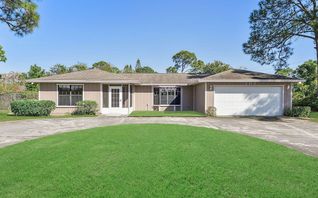
 View All Listings
Trusted Professionals

Trusted Pro
Loodmy Jacques is a Trusted Pro with a network of verified professionals.

Real Estate Agent
Real Estate Agent
PhotographerVideographer
Inspection Professionals


 ZillowVERIFIED