


How do I avoid paying capital gains tax?
Can I avoid paying capital gains tax? If so, how? I'm planning to sell and buy within the next year or so, but not immediately.
Answers (5)



Are you ready to find a top agent near you?
Browse profiles of the highest ranked agents in your area and find one that meets your specific needs.


Are you ready to find a top agent near you?
Browse profiles of the highest ranked agents in your area and find one that meets your specific needs.
Related Questions
Home title
Asked by Karla Kay Story | Ocala, FL | 15 views | Finance & Legal Info | 04-10-2026 | Updated 5 days ago
How do you get around a restrictive covenant?
Asked by Jerry | St. Louis, MO | 27 views | Finance & Legal Info | 04-08-2026 | Updated 1 week ago
Sellers didn't disclose water/drainage issues, can we hold them responsible?
Asked by Peter | Louisville, KY | 27 views | Finance & Legal Info | 04-08-2026 | Updated 1 week ago
How do I check if a house is going to be uninsurable in five years?
Asked by Cal | Wilmington, NC | 15 views | Finance & Legal Info | 04-06-2026 | Updated 1 week ago
What is the lockout effect?
Asked by Tony K | Shreveport, LA | 23 views | Finance & Legal Info | 04-06-2026 | Updated 1 week ago
Related Blogs

How Does Rent-to-Own Work?
How does rent-to-own work? Rent-to-own is the best way for you to buy a house if you can't afford it outright. Let's break it down.
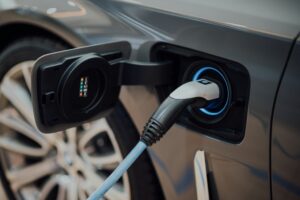
Does an EV Charger Increase Home Value?
Homes with EV chargers can earn up to 3% more than those without and can sell up to 13% faster than comparable homes.

The Rise of Multigenerational Living: Marketing Two Primary Suites
Multigenerational living continues to grow in demand, making dual primary bedrooms a sought after feature in homes.