



Service Areas
About Cassidy McWherter
OTHER LANGUAGES
Community Involvement
HOBBIES/INTEREST
FAMILY
Specialties
- Sellers
- Buyers
- Residential Property
FAQ
Answered Questions
Great question aEUR" and I'm glad you're thinking about this before listing. In Florida, sellers are required to disclose known material defects that aren't easily visible and could affect a buyer's decision. A temperature difference between floors is actually pretty common in two-story homes since heat rises and airflow varies. If there's no mold, moisture, damage, or HVAC issue aEUR" just older insulation and a comfort difference aEUR" it may not automatically be considered a major defect. That said, anytime you've had a contractor evaluate something and you're aware of a condition, it's smart to have a conversation about disclosure. In my experience, transparency is always the safest route. Buyers will almost always uncover insulation or energy efficiency concerns during inspection anyway, so it's better to be proactive than reactive. Every situation is a little different, though. The right answer depends on how it's documented, how significant the difference is, and how you want to position your home when you list. If you'd like, I'm happy to talk through it with you and help you determine the best approach so you feel confident and protected before going on the market.
Great question! With mobile homes aEUR" especially when you're selling just the home and not the land aEUR" value can vary quite a bit based on condition, age, location, park fees (if applicable), and financing options available to buyers. For a 1985 16x100 two-bedroom, one-bath home, the fact that you've updated the flooring and have an open layout with a kitchen island definitely helps. Buyers tend to respond well to open living spaces and visible upgrades. That said, homes from the mid-1980s are typically valued more on condition and market demand than square footage alone. Without seeing comparable recent sales in High River and knowing whether it's in a park, on leased land, or privately placed, it would be hard to give an accurate number here. If you'd like, I'd be happy to take a closer look at recent mobile home sales in your specific area and give you a more precise estimate based on real data. Feel free to reach out aEUR" I'm always happy to help you understand your options before making a decision.
Great question aEUR" a lot of people hear the term but aren't exactly sure what it means. A bridge loan is a short-term loan designed to " bridge the gapaEUR? between buying a new home and selling your current one. It allows you to use the equity in your existing home to help with the down payment or purchase of your next home before your current home sells. For example, if you find the perfect home but haven't sold yours yet, a bridge loan can provide temporary funds so you don't miss the opportunity. Once your current home sells, the bridge loan is typically paid off. They can be helpful in competitive markets, but they do come with higher interest rates and short repayment terms, so it's important to run the numbers carefully. Whether a bridge loan makes sense really depends on your equity, timing, and risk tolerance. If you're thinking about buying and selling at the same time, I'm happy to walk through your situation and help you understand what options might make the most sense for you.
This is a very common concern, especially when preparing to sell. In Florida, sellers are required to disclose known material defects that are not readily observable and could affect the value of the property. A temperature difference between upstairs and downstairs is actually typical in many two-story homes due to heat rising and normal airflow patterns. If there's no mold, moisture intrusion, damage, or HVAC malfunction aEUR" and it's simply older insulation contributing to a comfort difference aEUR" it may not automatically qualify as a major defect. However, since you had a contractor evaluate the insulation and were told it's dated and may need replacement, it's worth discussing how that should be handled. My general advice is this: when in doubt, lean toward transparency. Proper disclosure protects you and prevents issues during inspection or after closing. Buyers often discover insulation or energy-efficiency concerns during their inspection period anyway, so being proactive can actually build trust. Every situation is a little different, though. If you'd like to walk through the specifics of your home and how to position it properly before listing, I'm happy to help you think through the best approach so you feel confident and protected.
Yes, a realtor can ask for reimbursement aEUR" but it depends entirely on what was agreed to in the listing agreement. Some agreements include language stating that if a seller cancels the listing or decides not to move forward, certain marketing expenses (like professional photography) may be reimbursed. Others do not. The answer really comes down to what was signed upfront. That said, I'll share my personal approach: I've never asked a client to reimburse me for photography or marketing expenses. I view those costs as part of my investment in doing my job well. Professional photos, staging guidance, and marketing are simply part of the service I provide. Every agent structures their business differently, so it's important to review your specific agreement. If you're unsure, I'd recommend looking closely at the listing contract or having a professional review it with you. If you'd like to talk through your situation, I'm always happy to help you understand what's typical and what your options may be.
I love that you're thinking about this early aEUR" staying organized is one of the best things you can do when buying a home. While there are plenty of PDF checklists online, what most buyers really need isn't just a list aEUR" it's a clear roadmap with someone walking them through each step in real time. Here's a simplified breakdown of what's typically coming next: Get fully pre-approved (not just pre-qualified). Define your must-haves vs. nice-to-haves. Tour homes and analyze value, not just aesthetics. Submit an offer and negotiate terms. Inspection period aEUR" where you evaluate the property thoroughly. Appraisal and underwriting. Final walkthrough and closing. What helps my clients most is having a shared timeline with key dates, document checklists, and regular communication so nothing feels overwhelming or unexpected. Buying a home has a lot of moving parts aEUR" financing, inspections, contracts, deadlines aEUR" and trying to manage it alone with a checklist can still feel stressful. Having an experienced agent guiding you step by step makes it much more manageable. If you'd like, I'm happy to share the exact framework and timeline I use with my buyers so you can see what the full process looks like from start to finish.
This is actually more common than people realize in winter markets. If the roof couldn't be fully inspected due to snow, you absolutely have options. One approach is requesting an inspection contingency extension specific to the roof once conditions allow for proper evaluation. Another option is negotiating a holdback in escrow until the roof can be inspected after snow melt. The key is addressing it before removing contingencies. You don't want to waive protections on something that hasn't been fully evaluated. Every contract and state handles this differently, so it's important to structure it correctly. If you'd like to talk through your specific offer terms, I'm happy to help you think through the safest way to protect yourselves while keeping the deal together.
An offer isn't aggressive aEUR" it's strategic. The real question is whether the risk level matches your comfort level. Waiving inspection and appraisal contingencies, especially at that price point, significantly increases your exposure. Even with a recent pre-inspection, conditions can change, and appraisal gaps can become very real financial obligations. Strong earnest money plus waived contingencies can make an offer very competitive aEUR" but you should only move forward if: aEURc You're fully comfortable absorbing unexpected repair costs aEURc You have liquidity if the appraisal comes in low aEURc You understand what protections you're giving up Before deciding, I'd want to look closely at comps, days on market, and how competitive the situation truly is. There's often a way to make an offer strong without making it reckless. If you want to walk through it, I'm happy to break down the risk vs. reward with you.
Since the additional land is still in your mother and uncle's (deceased) names, the first step would likely be clearing title through probate or proper estate transfer before you could leverage it. Until ownership is legally transferred into your name, a lender generally won't allow you to use it as collateral. Once title is clear, options could include: aEURc A cash-out refinance (if you own your home free and clear) aEURc A home equity loan aEURc Or using the land as collateral for a separate loan Because estate and title matters can get complex, I would strongly recommend speaking with a local real estate attorney first to clarify ownership rights. From there, a lender can evaluate financing options. If you'd like help understanding how refinancing might work once ownership is resolved, I'm happy to help you explore next steps.
First, I want to say aEUR" you're not alone. Many first-time buyers start exactly where you are. Buying without a down payment is challenging, but there are programs that may help, including: aEURc FHA loans (lower down payment requirements) aEURc First-time buyer assistance programs aEURc Down payment assistance grants aEURc State or county-specific programs in New York However, buying with no savings at all can be difficult, especially in Westchester County where prices are higher. You'll likely need: aEURc Stable income history aEURc Acceptable credit score aEURc Some savings for closing costs If your long-term goal is to purchase and later rent it out, we'd also want to review financing guidelines carefully, since many first-time buyer programs require owner occupancy. The best first step would be speaking with a local lender who can evaluate your income and credit and outline realistic options. From there, you can build a clear action plan aEUR" even if it takes time. If you'd like help u
With a 1985 16x100 two-bedroom, one-bath mobile home (home only, not land), value will depend heavily on condition, location, lot rent (if in a park), and demand in your specific area. Upgrades like laminate flooring and an open layout with a kitchen island definitely help with appeal. However, with homes built in the mid-80s, buyers and lenders will look closely at roof condition, HVAC age, plumbing, tie-downs, and overall structural integrity. Without land included, pricing is typically based on comparable recent sales of similar age and condition aEUR" not traditional residential comps. If you'd like, I can take a look at recent mobile home sales in your specific park or area and give you a more accurate estimate based on real data. That will give you a much clearer number than a general guess.
Foreclosure pricing varies significantly based on location, condition, and whether it's bank-owned (REO) or a short sale. Many people assume foreclosures are automatically " cheap,aEUR? but in today's market, they're often priced competitively and can even receive multiple offers aEUR" especially if they're in decent condition. For a 3"4 bedroom home with a basement, yard, and open layout, pricing will be driven more by neighborhood values than foreclosure status. The best approach is to: aEURc Get pre-approved aEURc Identify target neighborhoods aEURc Monitor bank-owned listings aEURc Factor in repair costs If you'd like, I can help you look at foreclosure inventory in your area and evaluate whether they're truly discounted or just marketed that way.
After a fire, that's an important piece of information to track down. Here are a few places you can check: aEURc County property records aEURc Original building permits (city/county building department) aEURc Title documents aEURc Tax assessor records aEURc HOA documents (if applicable) If the home was built by a production builder, permits usually list the original contractor. For custom homes, the building department is often your best starting point. Because you've had structural damage involving trusses and rafters, you'll likely want a structural engineer involved regardless of who originally built it. If you'd like help figuring out where to start in Wilmington specifically, I'm happy to point you in the right direction.
Once you're under contract, canceling isn't always simple. Whether you can cancel depends entirely on: aEURc The terms of the contract aEURc Contingency deadlines aEURc Buyer performance aEURc State-specific contract law If you're a seller and want to cancel to sell for a lower price to move quickly, that can expose you to legal risk if the buyer is performing according to the agreement. Before making any decisions, I strongly recommend reviewing the contract with your agent or a real estate attorney. Walking away improperly could result in legal consequences. If you'd like to talk through what's typical in these situations, I'm happy to help you understand your options.
If you signed a buyer representation agreement, you may still be obligated to work with that agent aEUR" even if you found a property through a friend. The answer depends on: aEURc Whether the agreement is exclusive aEURc The term length aEURc Any early termination clauses aEURc How your state structures buyer agency Some agreements allow cancellation with written notice. Others may require broker approval. Before moving forward on another property, I'd recommend reviewing the contract carefully and having an open conversation with your agent. Many situations are negotiable aEUR" but it's better to address it proactively than create conflict later. If you'd like help understanding what's typical in your state, I'm happy to talk through it with you.
Yes aEUR" in most cases, adding an ADU (Accessory Dwelling Unit) increases the overall assessed value of your property, which can increase your property taxes. The ADU isn't typically taxed separately like a standalone property. Instead, the county reassesses your home based on the added square footage and improvement value. The amount of increase depends on: aEURc Size of the ADU aEURc Construction quality aEURc Local assessment practices aEURc Whether it's attached or detached Before building, it's a good idea to call your county assessor's office to understand how they calculate added value. If you'd like help estimating how an ADU could impact resale value versus tax increase, I'm happy to help you run the numbers.
Yes aEUR" a parent can absolutely pay the construction company directly. From a contractor standpoint, that's usually fine. Where it can get " stickyaEUR? is from a legal or estate planning perspective. Since the ADU becomes part of your property, ownership remains with whoever holds title to the home aEUR" regardless of who paid for construction. It's wise to document expectations clearly: aEURc Is this considered a gift? aEURc Is repayment expected? aEURc Will there be any ownership interest? I strongly recommend speaking with an attorney to structure it properly, especially if large sums are involved. If you'd like, I can also walk you through how ADUs typically affect long-term property value and resale.
There's no universal " perfect yearaEUR? aEUR" it depends more on your local market and your personal goals. If you plan to move within five years and there's no pressure, you're in a strong position because you have flexibility. The key factors to watch: aEURc Local inventory levels aEURc Interest rates aEURc Buyer demand in your price range aEURc Your home equity position In many markets, well-priced homes still sell quickly when inventory is limited. Timing within the year (spring vs. winter) often matters more than the specific calendar year. If you'd like, I can look at trends in Topeka specifically and help you decide whether selling sooner or later might maximize your return.
Yes, in most cases you can purchase a home in your name only aEUR" even if you file taxes jointly. However, Florida is not a community property state, but marital rights still matter. Depending on how funds are sourced and how title is taken, your spouse may still have certain rights. You'll want to consider: aEURc Source of funds (separate vs. marital) aEURc How title is held aEURc Estate planning implications aEURc Homestead protections Before closing, I'd strongly recommend consulting a Florida real estate attorney to structure it correctly. If you'd like help understanding how title options work in Florida, I'm happy to walk through that with you.
Selling to a friend can absolutely be done quickly aEUR" but it still needs to be handled properly to protect both of you. Even in a friendly sale, I recommend: aEURc Using a formal purchase agreement aEURc Ordering title work aEURc Ensuring proper disclosures aEURc Considering an inspection aEURc Using a title company or attorney to close If your goal is a two-week timeline, a cash transaction with clear title is your best bet. The biggest mistake people make in " friend salesaEUR? is skipping steps to save time aEUR" which can create problems later. If you'd like, I can outline the fastest and safest way to structure a private sale in Texas so everything stays smooth.
This depends heavily on state law. In many states, past crimes that occurred in a home (especially if they do not affect the physical condition of the property) are considered " non-materialaEUR? facts and may not legally require disclosure. These are often referred to as " psychological stigmas.aEUR? However, some states have specific rules about certain events (like homicide), and agents are always required to answer honestly if directly asked. If you're concerned, you can: aEURc Ask the seller or agent directly aEURc Search local public records aEURc Check police department records aEURc Review neighborhood crime maps If you'd like help understanding how Florida specifically handles this, I'm happy to walk you through what's required and what isn't.
Generally speaking, a buried household pet would not be considered a material defect unless: aEURc It violates local ordinance aEURc It creates a health or environmental issue aEURc There is visible disturbance or marking In most areas, this would not require disclosure, especially if there are no health concerns and it was handled properly. However, local laws vary. If you want to be fully protected, you could check local municipal guidelines regarding pet burial. When in doubt, transparency is always the safest route aEUR" but from a real estate standpoint, this typically would not be considered a required disclosure.
In almost all cases aEUR" yes. Even newer homes can have issues. A home inspection protects you by identifying: aEURc Structural concerns aEURc Roof and HVAC condition aEURc Electrical and plumbing issues aEURc Safety hazards Skipping an inspection may make your offer stronger in a competitive market, but it significantly increases your financial risk. If you're considering waiving inspection, I'd at least recommend a pre-offer inspection or informational inspection so you understand what you're buying. Protecting yourself upfront can save you thousands later.
You may qualify for the capital gains exclusion. Currently, if you've lived in the home as your primary residence for at least 2 of the last 5 years: aEURc Single filers can exclude up to $250,000 of gain aEURc Married couples filing jointly can exclude up to $500,000 You only pay capital gains tax on profit above those limits. Other factors like depreciation (if rented), state taxes, and your income bracket can affect this. Before selling, I always recommend speaking with a CPA so you understand your potential tax exposure. If you'd like help estimating what your approximate gain might be based on current value, I'm happy to help you run preliminary numbers.
Mold and serious foundation issues are not minor repairs aEUR" they're structural and environmental red flags. If the true repair cost is closer to $30,000 and the seller is only offering $5,000, that's a significant gap. Foundation problems can worsen over time, and mold remediation needs to address the source aEUR" not just surface cleanup. The bigger questions I'd ask are: aEURc Has a structural engineer evaluated the foundation? aEURc Is there a written remediation plan for the mold? aEURc Will you be comfortable financially if costs exceed estimates?
Depende de las leyes locales de zonificaciA3n y cA3digos de construcciA3n. En la mayorA-a de ciudades, los cuartos deben cumplir con requisitos mA-nimos de tamaA+-o, ventilaciA3n, ventanas de salida (egress), y seguridad para ser considerados dormitorios legales. Si son demasiado pequeA+-os o no cumplen con cA3digo, puede que no sean legales como habitaciones rentables. TambiA(C)n hay lA-mites de ocupaciA3n por vivienda segAon el municipio. Tener mA!s de 10 personas en una casa puede violar regulaciones de seguridad o zonificaciA3n. Si el aire acondicionado no funciona y el mantenimiento no es adecuado, eso tambiA(C)n puede ser un problema bajo cA3digos de habitabilidad. Mi recomendaciA3n serA-a contactar al departamento de construcciA3n o vivienda de Hollywood, FL para confirmar si la propiedad cumple con cA3digo. Si gustas, puedo orientarte sobre cA3mo verificar esto correctamente.
Hi there, feel free to contact me 801.661.1353
Great question aEUR" this comes up often. While exact requirements vary by state and municipality, a legal bedroom typically must have: aEURc A minimum square footage (often around 70 sq ft, but varies locally) aEURc A means of egress (usually a window large enough for emergency exit) aEURc Adequate ceiling height aEURc Proper heating source aEURc Access without passing through another bedroom The window requirement is primarily for fire safety aEUR" it must meet egress code standards, not just be a small decorative window. Closets are commonly expected, but interestingly, they are not always legally required in every area. If you're in Pittsburgh specifically, local building code can clarify exact dimensions. If you'd like, I can help you look at what's considered legal in your specific municipality.
There's no magic number aEUR" it depends on the strategy. In many markets, the first 7"14 days are the most critical. Holding multiple open houses during that window can maximize exposure and create urgency, especially if inventory is tight. Four open houses over two weekends isn't necessarily too many aEUR" if the goal is strong early activity and competitive offers. What matters more than the number is: aEURc Pricing strategy aEURc Marketing reach aEURc Showing activity aEURc Buyer feedback Open houses are just one tool. If they're part of a coordinated launch strategy, they can be very effective. If you'd like, I'm happy to explain how open house strategy works in Wichita specifically.
Traditionally, the seller pays the real estate commission, and that commission is then split between the listing agent and the buyer's agent. However, commissions are always negotiable and can vary depending on the agreement between the seller and the listing brokerage. In some cases: aEURc Sellers may offer compensation to a buyer's agent aEURc Buyers may negotiate different representation structures aEURc Commission structures may vary based on local market practices The important thing to know is that compensation is agreed upon upfront in the listing agreement aEUR" it's not a fixed government rate. If you're buying or selling in Tampa, I'm happy to explain what's typical in that market so you know exactly what to expect.
The most accurate way to determine value is by reviewing recent comparable sales (" compsaEUR?) aEUR" homes similar in size, condition, location, and features that have sold in the last 3"6 months. Online estimates (Zestimates, etc.) can give a ballpark range, but they often miss: aEURc Condition aEURc Upgrades aEURc Lot differences aEURc Current buyer demand A professional market analysis takes into account: aEURc Active competition aEURc Pending sales aEURc Days on market aEURc Price trends If you're in Port Saint Lucie, I can pull recent data and give you a realistic range based on what buyers are actually paying right now aEUR" not just what an algorithm suggests.
Great first step aEUR" asking questions. Here's where I'd recommend starting: Speak with a lender to get pre-approved. Review your credit and debt-to-income ratio. Determine your comfortable monthly payment. Connect with a local agent to guide the process. Many first-time buyers also qualify for: aEURc FHA loans aEURc Down payment assistance programs aEURc State-specific buyer incentives The most important first move is getting clarity on financing aEUR" everything else flows from there. If you're in Augusta, I'm happy to help outline exactly what that first step should look like.
In most cases, the photographer owns the copyright aEUR" not the homeowner. When a home is listed, the listing agent typically obtains a license from the photographer to use the images for marketing purposes. That license doesn't always automatically transfer to the homeowner. If you want to reuse the photos: aEURc Review your prior listing agreement aEURc Ask the previous agent aEURc Or contact the photographer directly Sometimes permission is easily granted. Other times, there may be restrictions. If you're relisting, your new agent may recommend fresh photos anyway aEUR" especially if market conditions or staging have changed.
There's no fixed percentage discount for paying cash. Cash offers are attractive because they: aEURc Remove financing risk aEURc Close faster aEURc Reduce contingencies However, in competitive markets, sellers may prioritize highest price over cash aEUR" especially if financing looks strong. In softer markets, cash may justify a modest discount because of certainty and speed. Instead of asking " how much less,aEUR? I'd look at: aEURc Days on market aEURc Seller motivation aEURc Comparable sales aEURc Competing offers In Miami specifically, pricing and demand can vary significantly by neighborhood aEUR" so strategy matters more than a rule of thumb. If you'd like, I'm happy to walk through how cash strength is currently being valued in your specific market.
An easement is a legal right that allows someone else (like a utility company or neighbor) to use a portion of your property for a specific purpose. Yes aEUR" the land within the easement is still part of your property. You technically own it. However, your use of that portion may be limited.
First aEUR" try not to take it personally. An offer at $360,000 on a $395,000 listing isn't necessarily an insult; it's a starting point. Here are your options: aEURc Reject it outright aEURc Counter at or near list price aEURc Counter somewhere in between aEURc Counter on price but tighten terms The right move depends on: aEURc Days on market aEURc Showing activity aEURc Comparable sales aEURc Seller urgency If your home is priced correctly and market activity supports it, you have leverage to counter confidently. Sometimes a strong counteroffer brings a buyer up quickly. Other times, it reveals their true ceiling. If you'd like, I can help you evaluate whether $395,000 is aligned with current comps in your specific Indianapolis neighborhood.
In most states, yes aEUR" sellers are required to disclose known material defects, and prior flooding, water intrusion, or recurring leaks typically qualify. However, disclosure laws require sellers to disclose what they know. They are not required to investigate unknown issues. As a buyer wanting to protect yourself: aEURc Order a thorough home inspection aEURc Ask specifically about past flooding aEURc Check flood zone maps (FEMA) aEURc Consider a separate mold or moisture inspection aEURc Review insurance claims history (if available) If you've had water issues before, I completely understand the concern. The key is doing proactive due diligence before closing. If you're buying in Destin, flood zones and coastal factors are especially important aEUR" I'd be happy to explain what to look for there.
Possibly aEUR" but it depends entirely on local zoning and subdivision regulations. You would need to check: aEURc Minimum lot size requirements aEURc Zoning classification aEURc Road frontage requirements aEURc Utility separation (water, septic, electric) aEURc County subdivision approval process Splitting land (called a " lot splitaEUR? or " subdivisionaEUR?) usually requires: aEURc Survey aEURc County approval aEURc New parcel numbers aEURc Potential impact fees It's not always simple aEUR" but in some cases, it can absolutely increase total resale value if allowed. Your first step should be contacting your county planning & zoning department to confirm whether the property qualifies. If you'd like, I can help outline the exact questions to ask your county so you don't miss anything important.


Contact Information
Location
Social Media


Available Listings View All
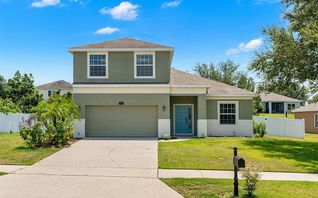
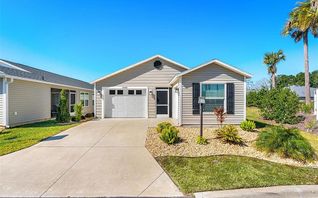
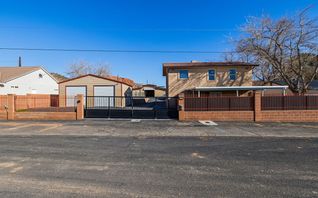 View All Listings
Trusted Professionals

Trusted Pro
Cassidy McWherter is a Trusted Pro with a network of verified professionals.

Loan Officer