
Charity, it is not petty at all, and there is a clean answer: yes, you can take them, but the timing of when you say so decides whether it is easy or a fight. The rule underneath it. Anything rooted in the ground is generally treated as part of the real estate and conveys with the house. Anything in a pot is personal property and is yours. That is the whole bright line, and it explains why this trips people up. A Japanese maple you paid for and nurtured for eight years legally belongs to the house the moment it went in the ground. A specimen tree in a large container does not. So here is the sequence that makes this painless, in order of how much easier each step is than the one after it. Best option: dig them before you list and pot them. If the plants are already sitting in containers when the first buyer walks the property, nobody ever forms an expectation about them, and there is nothing to negotiate. Fill in the holes, put something reasonable in their place, and take the photos after. Nothing about this is dishonest. You are removing your personal property before marketing the home. The one caution is horticultural rather than legal: transplant timing matters for survival, so check the right season for whatever you are moving in the Lowcountry, and give them a few weeks to settle before you shoot photos of the beds. Second best: exclude them in writing in the listing itself. State plainly in the MLS remarks that specific plantings are excluded from the sale, and have your agent point them out. Buyers who see the exclusion before they write an offer almost never object. Buyers who discover it after they have fallen in love always do. Third: exclude them in the contract. Workable, and it is the last comfortable moment. Name the plants specifically, "the two camellias flanking the front walk," not "some plants in the front yard," because a vague exclusion produces an argument at the final walkthrough. Say in writing what you are replacing them with and by when. Worst: dig them after you are under contract or after closing without having disclosed it. This is where genuinely nice people end up in disputes. The buyer walked the property, formed a reasonable expectation, and now the yard has holes in it. That fight can hold up a closing, and after closing it can turn into a claim. What you are contemplating is entirely fair. Just do not let it arrive as a surprise. A few practical notes. Get a photo of the plantings before you remove them, so there is no dispute about what was there. If you replace them, replace with something similar in size rather than a gallon pot where a mature shrub was, because a buyer noticing a downgrade at the walkthrough is the same problem in a different form. And if any of these are truly significant specimen plants with real value, put them on a short written bill of sale or a signed exclusion addendum rather than a verbal agreement, and keep a copy. One more thing worth saying, since you clearly care about these. Some plants transplant badly once they are established, particularly older woody shrubs and anything with a taproot. Before you plan around taking them, ask a local nursery whether these specific plants will survive being moved. It would be a shame to win the negotiation and lose the plant. Sometimes the better move is taking cuttings or divisions and leaving the parent in the ground. I am a real estate professional, not an attorney. Contract language on exclusions is worth having your agent or a South Carolina attorney word properly, because a sloppy exclusion causes more trouble than no exclusion. Charleston is not my market, I am Zoltan Peresztegi, and I work Los Angeles and the South Bay. If you would like this handled cleanly in the listing paperwork, I am glad to connect you with a Lowcountry agent who will write the exclusion correctly the first time. Zoltan


Can I take a plantings with me after selling?
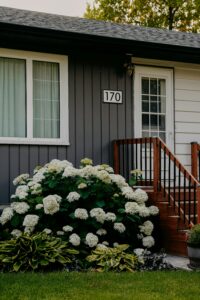
I know, it sounds petty... but can I take a couple outdoor plants with me after selling? There's some I've worked really hard to nurture and grow. I'd really like to take them with me to my new home. I'm happy to replace them with something else for the buyer. I don't want to turn off a buyer, but I'd really like to take the plants with me.
Expert answers are from licensed real estate professionals with a verified FastExpert profile.
Are you ready to find a top agent near you?
Browse profiles of the highest ranked agents in your area and find one that meets your specific needs.

What does your contract say? If they are affixed to the property, then they are a fixture and must stay unless you get other approval. Keith Jean-Pierre Managing Principal The Dapper Agents Operations In: NY, NJ, FL & CA

Whether you can take plantings with you depends on whether they are in the ground or in containers, what your purchase contract says, and whether you disclosed the removal before the buyer made their offer. In South Carolina and throughout Florida, the legal default is that plants rooted in the ground are considered part of the real property and convey with the sale unless they are specifically excluded in writing. A buyer who saw those plantings in the listing photos and during tours has a reasonable expectation that they will be there at closing. If you want to take specific plants with you, the right approach is to list them as personal property exclusions in the listing documents and in the contract. That way the buyer knows before making an offer. If the contract is already signed without an exclusion, removing plants without the buyers written consent is a breach of contract. The cleanest path at that stage is to ask the buyer directly, offer to replace the plants with comparable ones if they object, or negotiate the removal as a concession. A few plants are rarely worth a closing dispute, but the documentation prevents misunderstandings from becoming exactly that. Kevin Neely & Kaitlynd Robbins | K2 Sells, Keller Williams Elite Partners

Yes, but only if they are not considered part of the property. Anything permanently planted in the ground is a fixture and typically stays unless you excluded it in the contract. If you love a plant, dig it up or swap it out before listing or disclose it up front.

Hi Charity, Keep in mind everything is negotiable. You are selling "Your" home. Just be sure to note anything that is not included in your sale on the listing. You may even offer to replace with new plantings.

You can exclude the plants when you sign the listing or before you get an offer. After you receive an offer you would need to negotiate it with the buyer.

Everything is negotiable and it matters what was negotiated within the contract. Yes you should exclude things in the listing agreement but some agents forget to add that to the MLS and the contract. Anything you want as a seller needs to be disclosed so just remember to tell your agent what you want to convey or convey in the sale of your home.

Not unless you have specifically excluded them in the listing agreement.

Absolutely -- as long as you are specific what you will be removing at the time the offer is being made/accepted. Both need to agree on the removal and if you will replace with like kind. Always best to pot up prior to listing. Saves a lot of miscommunication. Potted plants do not convey with the sale -- only the inground ones.
Related Questions
my uncle wants to sell his house but the county says there a old tax lien on it from like 10 years ago that he dont even
Asked by Anonymous | Terre Haute, IN | 16 views | Selling | 10-28-2026 | Updated 3 days ago
Is there any way to borrow against my rental's equity with bad credit?
Asked by Anonymous | Ogden, UT | 19 views | Selling | 10-27-2026 | Updated 4 days ago
i want to put a tiny house on wheels on my land and live in it. if i sell later do the tiny house count toward the land
Asked by Anonymous | Pueblo, CO | 18 views | Selling | 10-27-2026 | Updated 4 days ago
My neighbor's messy yard is ruining my curb appeal
Asked by Luke | Elwood, IL | 1,061 views | Selling | 04-06-2026 | Updated 5 days ago
Will unpermitted basement finishing affect my sale?
Asked by Greg | Bourbonnais, IL | 19 views | Selling | 10-26-2026 | Updated 5 days ago
Related Blogs

Average Real Estate Commission by State (2026 Survey Data)
The average real estate commission is 5.84% of the home's sale price, split between a 3.01% listing agent commission and a 2.84% buyer's age… read more
Growing Your Rental Portfolio? Build These Systems First
Growing your rental portfolio? Learn the systems that can help you manage more properties, streamline operations and scale without the chaos… read more

How to Buy a Multigenerational Home That Actually Works for Your Family
Buying a multigenerational home? Learn what to look for beyond bedrooms, including privacy, accessibility, parking, layout, ADUs and future… read more