
Growing Your Rental Portfolio? Build These Systems First


Published by

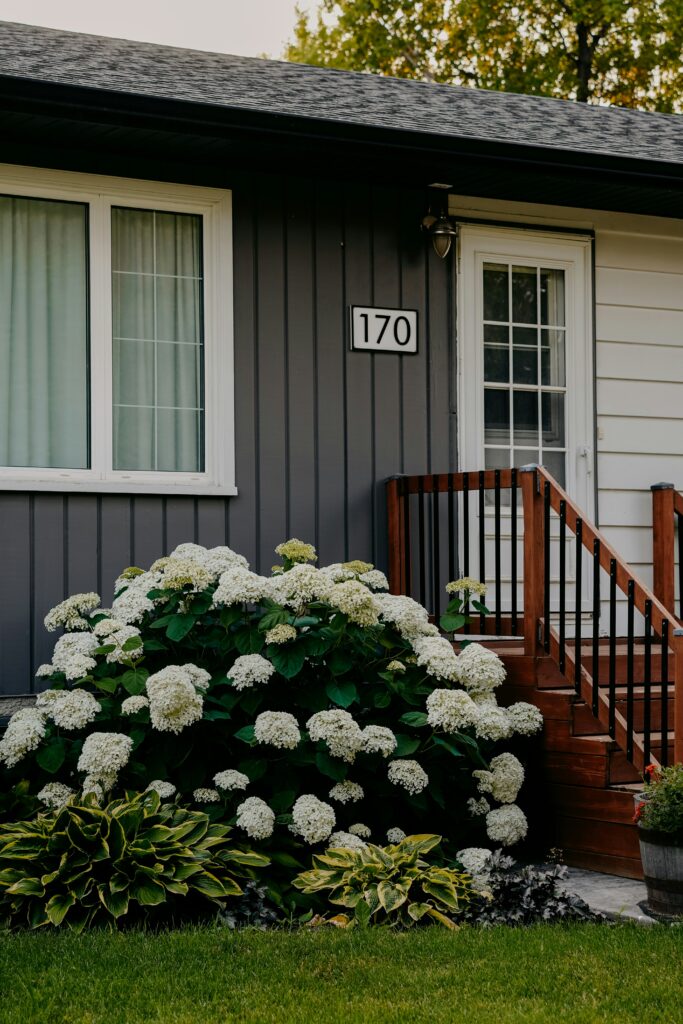
Growing your rental portfolio from a few rentals into a larger portfolio opens real business opportunities. It also brings more maintenance requests, lease deadlines, vendor follow-ups, and chances for important details to slip through the cracks. Informal systems such as spreadsheets, text threads and email folders may work at first, but they become harder to manage as volume, turnover and geographic reach increase.
The risk starts when the business runs on one person’s memory to track every payment date, repair request, prospect inquiry, and renewal deadline. The fix is repeatable workflows that hold up as the portfolio grows and keep daily operations efficient.
Here’s what to consider to get you there:
Adopt Property Management Software That Grows With You
Start by consolidating leasing, accounting, maintenance work orders, and reporting in one system.
The right property management platform should fit your property type today while supporting more units, users, and locations in the future. When comparing options, look beyond the feature list. Consider implementation support, reporting depth, integrations, pricing as the portfolio grows, data access, and how difficult it would be to change systems later.
A centralized platform will not solve every operational problem, but it provides a consistent place to track work, deadlines, and property-level performance.
Choosing a scalable platform can minimize future disruption. Look for a provider that offers a clear path to more advanced capabilities, so you can add functionality as operations grow more complex without switching vendors or rebuilding your records. For example, Yardi’s software for property management is designed to scale with a portfolio, so owners can start with the tools they need today and add more as their needs change.
Automate Tenant Screening
Tenant screening can become an arduous process if done manually. To make it simpler, use an online screening workflow to collect applications, verify income and identity, run credit and background checks, and keep records in one place. Apply the same written rental criteria to every applicant, including standards for income, rental history, and credit.
Automation saves time and creates a clear audit trail, but set it to flag edge cases for manager review rather than make final decisions on its own. Keep a manager involved, document each outcome, and review the process regularly to keep it consistent as your team grows.
Handle Tenant Communication at Scale
As inquiry volume, turnover, or geographic spread grows, fast and consistent responses become harder to maintain manually.
Automated leasing tools can acknowledge inquiries, answer routine questions, schedule tours, and send follow-ups, while staff handle exceptions and more complex conversations.
Centralizing communication helps prevent unnecessary delays caused by messages spread across personal phones and inboxes. Automated updates can also help keep residents informed about maintenance-request status.
Standardize Maintenance and Vendor Workflows
Maintenance is often the first system to break as a portfolio grows.
Route every request through one intake channel, such as a resident portal, instead of personal texts. Set priority levels with target response times, for example, emergency, urgent, and routine.
Keep an approved vendor list with current insurance certificates and agreed rates. Then track each work order from request to completion, including cost, so recurring repairs show up in your monthly review instead of surprising you at year-end.
Build One Financial View
Growth is not sustainable if the numbers are unclear. Portfolio-wide results can hide a property with rising repair costs, weak rent collection, or declining performance.
Track each property separately and review the same metrics every month:
- Collection rate: rent collected as a share of rent due.
- Vacancy rate and days vacant per unit.
- Maintenance cost per unit and recurring repair categories.
- Net operating income (NOI) by property, along with cash flow after debt service.
- Upcoming lease expirations and expected capital expenses.
Set thresholds that trigger a closer look, such as a property whose collection rate falls below your portfolio average for two consecutive months.
A positive monthly margin is not enough if one vacancy or major repair can erase it. Even when costs cool, they can outpace income.
According to Trepp, median multifamily operating expense growth slowed to 3.7% in 2025 from 5.1% in 2024, largely because insurance increases eased. In addition, median utility expense growth accelerated to 6.7% from 3.9%. Overall, expenses still grew faster than revenue, and median NOI growth slipped to 1.8%.
Smaller portfolios may see different numbers, but the lesson holds: build a cushion for maintenance, capital expenditures, and vacancy periods before relying on projected cash flow to fund the next acquisition. Regular property-level reviews help you spot underperformance early, rather than discovering it after it affects the entire portfolio.
Successful scaling means building systems before informal habits become bottlenecks. Centralized records, consistent screening, responsive communication, standardized maintenance, and property-level financial reviews give owners the visibility and capacity to grow deliberately and to address problems before they spread across the portfolio.
Work With an Expert to Grow Your Rental Portfolio
Growing your rental portfolio is about more than finding the next property. It’s about building a business that can handle more properties, tenants, and moving parts without becoming harder to manage.
The right systems can help you stay organized, protect your time, and make better decisions as you grow. And when you’re ready to evaluate your next investment, a real estate agent who understands your local market can help you identify opportunities that fit your goals.
Find a top-rated real estate agent through FastExpert and get expert guidance for your next move.