



- The Appeal of Homes for Sale with Swimming Pools
- How Pools Affect Real Estate Prices and Value
- The Hidden Costs of Pool Ownership
- Pros of Buying a Home with a Pool
- Cons of Buying a Home with a Swimming Pool
- Questions to Ask When Touring Homes for Sale With Pools
- Is a Pool Worth It?
- Making a Smart Pool Decision
Homes With Pools Near Me: Is It Worth the Price?


Published by

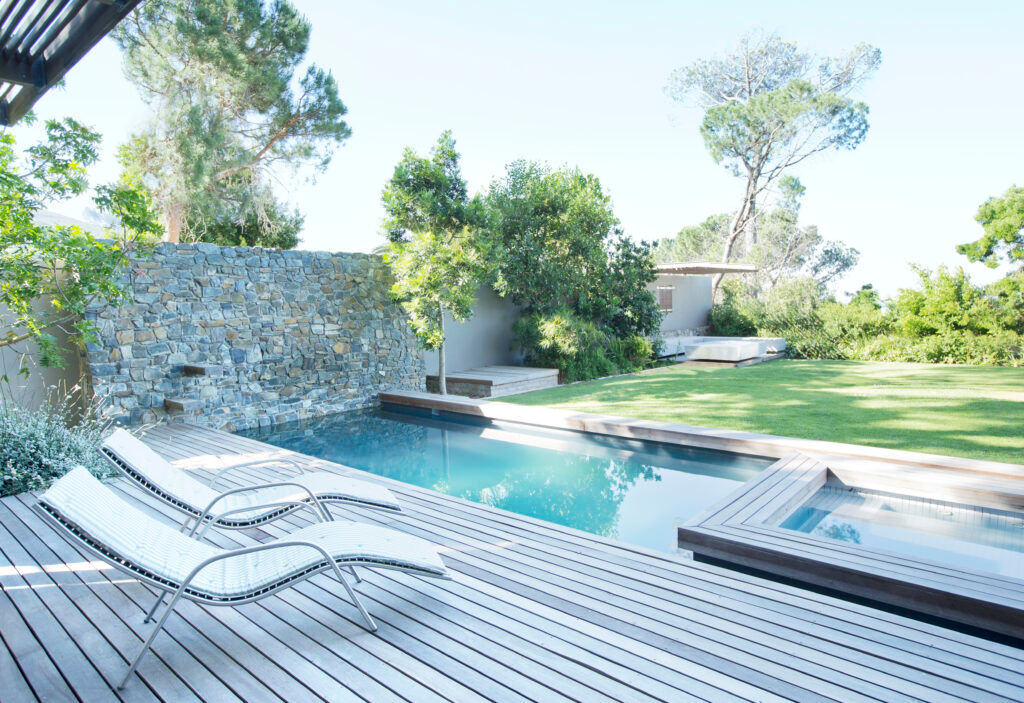
Few things can make a home feel immediately luxurious like a swimming pool. It conjures images of warm summer days and fun outdoor parties with friends. Even though there are 10.7 million swimming pools in the United States, they are still considered luxury additions. Only 8% of homes have a swimming pool, which means the households that have them immediately become popular when temperatures spike.
As a homebuyer, you can decide whether you want to seek out a home with a pool, install one yourself, or skip this feature entirely.
Use our guide, Homes With Pools Near Me: Is It Worth the Price? to explore the pros, cons, and potentially hidden costs of owning a pool.
The Appeal of Homes for Sale with Swimming Pools
People seek out swimming pools because these features match their lifestyles. Parents with small children see pools as a way to entertain kids while helping them become strong swimmers. Other adults appreciate the relaxation elements that pools provide. They offer a place to relax and loosen sore muscles after a long day.
Climate plays a significant role in pool popularity. In Florida, for example, there are 14 people per pool. This jumps to 109 people per pool in Minnesota. The colder winter weather shortens pool season, reducing the perceived value of this feature compared to its cost.
Homes for sale with swimming pools tend to appeal to buyers who want this feature but don’t want to install it themselves. The cost of building the pool has already been covered, and the homebuyer gets to reap the benefits of luxurious everyday living.
“If the home comes with a pool, then it is a fantastic selling and reselling feature,” says Mike Constantine, at Remax Advantage in Trinity, Florida. “If you build a pool after closing, you will recapture less than half the value on a standard appraisal valuation.”
How Pools Affect Real Estate Prices and Value
Every renovation or upgrade can impact your home values, whether you install stainless steel appliances or convert your living and dining areas into an open floor plan. While pools generally increase the value of the home, they may not increase it as much as you think.
Furthermore, pool installation is one of the more costly upgrades you can choose, and it can permanently change the feel and green space of your backyard.
“Installing a pool can cost anywhere from $50,000 to over $100,000, depending on size, materials, and added features, not to mention ongoing maintenance and utility expenses,” says John Salkowski at JRS Realty Group in Trappe, Pennsylvania. “Ultimately, whether it’s worth the price depends on your lifestyle, how often you’ll use it, and the value it adds to both your home and your quality of life.”
Once you have an idea of the cost of installation, you can consider the resale value that comes with a pool. Research shows pools can add 5 to 8 percent to the value of your home. If your home is worth $500,000, then a pool could add up to $40,000.
Once again, pool home value depends on the local market, geographic location, and the materials used. Above-ground pools typically don’t see as much of an increase in resale value as in-ground options.
It may be easier to sell your home if you live in an area where pools are in high demand. Buyers will seek out this amenity (and ideally pay more for it), which means your house might not stay on the market as long.

The Hidden Costs of Pool Ownership
One of the main differences between owning a pool versus other luxury home upgrades (like stainless steel appliances) is that it comes with ongoing costs. The average cost of pool maintenance in 2025 was $288 annually. However, some people pay up to $800 (or more) to maintain their pool, especially if they hire a service.
There are also hidden costs to owning a pool. Typically, homes with pools have higher insurance costs because they come with higher liability. Homeowners can expect to pay $50 – $75 per year more on average if they have a pool.
Finally, there may be some long-term expenses related to pool ownership. The filter could go out, or cracks could form, leading to high repair bills. However, this is no different than other repairs in your home. In the same way that your HVAC could go out or modern upgrades could break, pools could also experience problems.
Know the expected added cost of buying a house with a pool. If your dream home has one of these features, the extra bills might be worth it. However, you don’t want to be surprised by the higher insurance rates or the monthly cost of chemicals to maintain it.

Pros of Buying a Home with a Pool
There are several benefits of buying a home with a swimming pool. A pool can create a coastal living vibe, whether you live near the water or within a landlocked state. It is a fun way to turn your backyard into an outdoor living space, so you don’t have to rely on a family room or formal dining room to entertain guests. Here are a few pros of buying a house with a pool:
- Built-in entertainment: there’s always something for kids and guests to do as long as the weather is nice. A pool is ideal if you love hosting at your home.
- Increases the visual appeal of the backyard: A well-maintained pool and patio can attract buyers and make the space feel luxurious.
- Boosts property desirability: A pool can increase home values in warm or upscale neighborhoods while also increasing demand. This means your house might sell faster and for a higher price when you move.
Direct access to a pool creates a fun and relaxing experience in your home. There are built-in activities for entertaining visitors or quiet spaces for resting on weekend afternoons. In some locations, a pool is almost a requirement for a comfortable living space.
“In California, a pool’s as much about the vibe as the swim,” says Julie Wyss at Keller Williams Bay Area Estates in Los Gatos, California. “That sparkling water adds instant energy and luxury. Some shy away due to safety or upkeep, but for many, it’s worth every splash.”
Cons of Buying a Home with a Swimming Pool
While pools are desirable for many buyers, for both everyday living and entertaining, they aren’t perfect for everyone.
“A pool can enhance a home’s value, but it definitely narrows the buyer pool (no pun intended),” says Debbie Sagorin at Coldwell Banker Realty in Newport Beach, California. “Some see it as a luxury, while others, like one of my buyer clients who filled in the pool for more yard space and child safety, view it as a drawback.”
Here are a few drawbacks of this modern luxury:
- Pools require ongoing maintenance. Homeowners need to maintain their pools or hire a service to do so.
- They come with higher insurance premiums. Even if you accept the maintenance and repair costs, the liability coverage might be unwelcome.
- Some buyers have safety concerns. Parents of small children might not want a full-sized pool in their backyard.
- There is limited seasonal use in cooler climates. A pool might not be worth it if you only use it a few months each year. Heated pools can also be expensive to keep warm.
- They may narrow the resale audience. Depending on where you live, a pool could increase or decrease the number of interested buyers.
“I personally own a home with a pool and I love it, but as our family gets older, the pool is used less,” says Jenniffer Taylor, at Pacific Sotheby’s International Realty in La Jolla, California. “If you have a family with children who will swim often, then it is worth it. Consider how often you swim.”
Think about how much you will realistically use the swimming pool. If you live the California or Florida lifestyle, you might swim daily. However, if you only use it monthly, it might not be worth the cost.
Questions to Ask When Touring Homes for Sale With Pools
If your dream home has a pool, you might seek out homes for sale with this feature. However, not all pools are the same. It is important to evaluate the condition of the pool, ongoing maintenance costs, and potential repairs you need to make. Reviewing the state of various features is an essential part of the home-buying process. Here are a few questions to ask as you search for homes with pools for sale:
- What is the condition of the pool and equipment?
- How old is the pool, and does it have any aging features?
- Has it been professionally maintained and inspected?
- Does the current homeowner maintain the pool themselves or use a service?
- Are there local regulations or HOA restrictions to know about?
- How will the pool impact your homeowners’ insurance?
Even if a pool looks to be in good condition, there’s no guarantee that it has been meticulously maintained. Always include a pool inspection to understand the state of this feature before closing.
Also, consider whether you will have to sacrifice other features to have a pool. You may have to choose between homes for sale with pools versus those with more living space and open floor plans to stay within your budget. It might not be possible to find a dream home that checks all the boxes and falls perfectly within your price range.
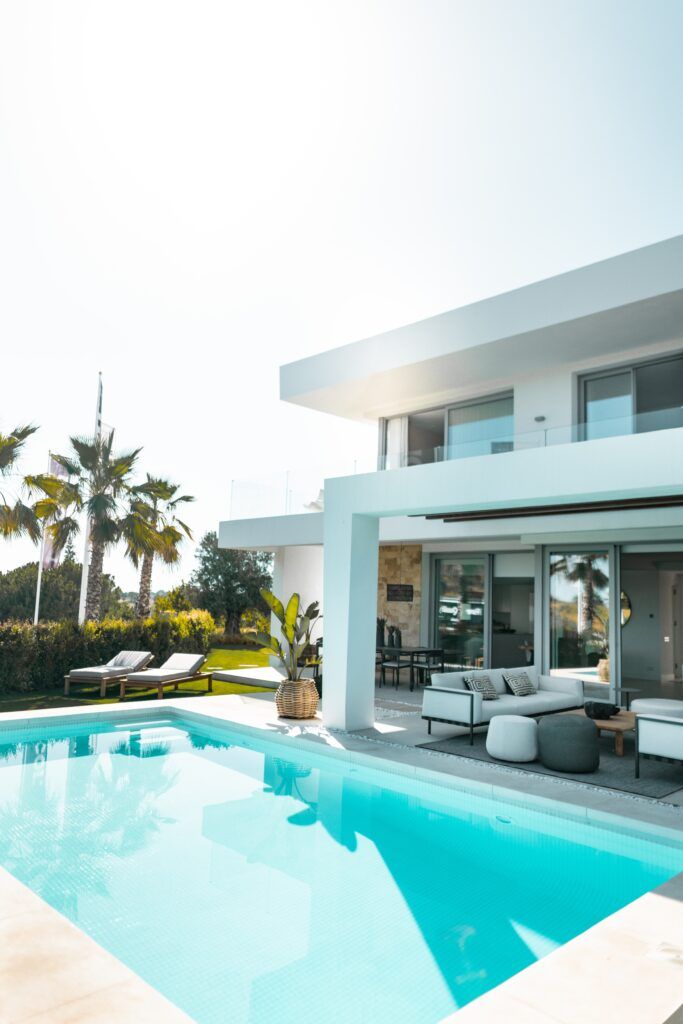
Is a Pool Worth It?
If pools are popular in your area, you will have plenty of opportunities to tour homes for sale with this feature. However, you still need to decide whether swimming pools are worth it. Consider these macro and micro criteria to weigh the costs versus the benefits of owning a pool.
- Location: More buyers expect pools in areas with hot climates and high-end neighborhoods. Even if you don’t plan to use the pool often, your ideal location might predominantly have homes with pools, helping your resale in the long run.
- Budget: Evaluate how much pool ownership will increase your overall costs. This includes insurance rates, monthly chemicals, and potential repair bills.
- Lifestyle: Consider how often you expect to swim. The more you use your pool, the greater value it provides.
- Alternative options: You may find a neighborhood or gated community that comes with a pool for residents to use. Local swim clubs, gyms, or parks could provide opportunities to swim if you don’t want your own pool. What you sacrifice in privacy, you make up for in savings.
Every single buyer is unique. For some people, a dream home has a pool perfectly situated in the backyard. For others, a pool is more of a burden than an amenity.
Making a Smart Pool Decision
Before you start touring homes, identify the aspects of your house that are most important to you. Rank your criteria from essential to ideal, and then optional. For example, if spacious bedrooms, storage, and natural light are your top priorities, focus on those elements. If your optional list includes a two-car garage and swimming pool, search for those elements next.
House hunting is all about finding the elements that make you happiest. It means knowing when to compromise and knowing when to hold your ground. It is entirely your choice whether buying a house with a pool is an essential feature or a nice added amenity.
Start your real estate journey with FastExpert. You can find real estate agents in your area who are ready to help you. Move into a home with a thoughtfully designed living space that may include a pool. With the right agent, you can find a house that makes you feel completely relaxed.
Published by