




- What are Digital Twins in Real Estate?
- Key Benefits of Digital Twins for Real Estate Marketing
- Digital Twins in Real-World Use Cases
- Choosing Digital Twin Solutions
- Implementing Digital Twin Technology
- Digital Twin Adoption: Overcoming Barriers
- Marketing Tactics Using Digital Twins
- Measuring Success and KPIs
- Highlight Your Experience Through FastExpert
Digital Twin Real Estate Marketing: A Playbook for Agents and Property Managers


Published by

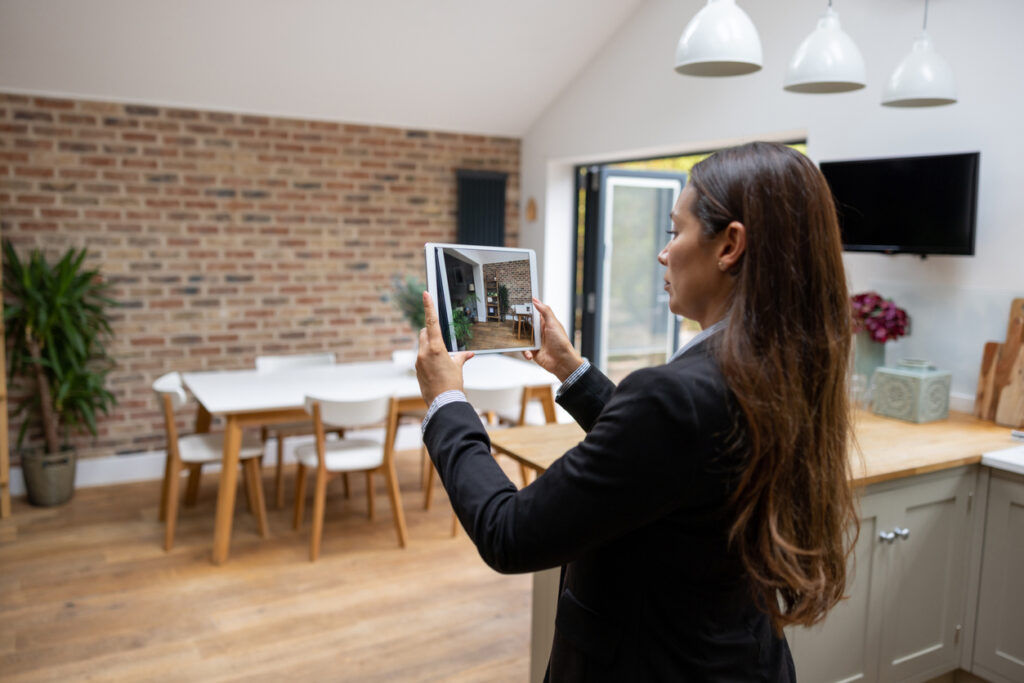
Real estate professionals are always looking for ways to engage potential buyers and make it easier for them to tour homes. While online MLS listings, quality photography, videos, and drone footage have elevated real estate marketing in unfathomable ways, there’s a new horizon that provides an even more immersive virtual experience.
A digital twin is a virtual copy of a home, with each room, surface, and angle represented. Beyond individual properties, digital twins can also replicate the built environment, including entire city models, enabling broader planning, simulation, and management applications for urban spaces. This technology is so advanced that it can even show what a house looks like at different times of day, from the morning sun entering a room to the afternoon rays casting long shadows across the floor.
Digital twins are becoming increasingly popular with agents who work with remote clients. They allow buyers to step into homes without having to travel for showings. Learn more about digital twins in real estate marketing and how they attract prospective buyers.
What are Digital Twins in Real Estate?
A digital twin is a virtual model of a house or property. Digital twin technology creates precise, interactive 3D virtual replicas of properties using IoT sensors and 3D modeling. While digital twin technology might seem similar to a 3D tour, it is much more advanced. Digital twins use real-time data to create a “living” version of the house that changes depending on the day, season, and desires of potential buyers.
Digital twins also offer interactive modeling, so buyers can virtually remodel their house before they ever set foot in it. For example, if a buyer prefers hardwood over carpet, they can use the digital twin technology to see what the house looks like with different wood colors. Platforms like Unreal Engine, developed by Epic Games, are used to create highly realistic and immersive digital twin environments, enabling real-time 3D rendering and interactive virtual tours.
Digital twin solutions come from the manufacturing industry, where engineers have to create virtual models and adjust them before creating physical products. It’s a natural transition to the real estate field, where people can engage with properties and feel immersed in them before they ever schedule a tour.
Key Benefits of Digital Twins for Real Estate Marketing
There are several reasons why digital twins could be the next frontier in the real estate industry. Virtual tours are much easier for buyers, sellers, and agents – especially when buyers live far away. Real estate developers can also use digital twins to showcase final products, even if they are still building homes, complementing other creative ways to market a house for sale.
Here are a few benefits of this technology.
- Increased buyer engagement: Buyers can spend more time “touring” a property through an immersive experience instead of passively flipping through a few photos.
- Real estate agents can publish better listings: They can generate more excitement about a property and make it stand out in potentially saturated markets.
- Shorter sales cycles: If buyers feel like they really understand a house, they are more likely to make an offer. Property owners might receive bids sooner, especially if they are selling homes to remote buyers. Digital twins help real estate professionals close deals more effectively by providing measurable data that improves lead quality and expedites the sales process.
- Agents save time and money: People can enter digital twins on their own time. This means Realtors don’t have to lose multiple hours (and gas money) driving to a property for a showing. Digital twins also help manage inventory by streamlining tasks such as taking measurements and conducting inspections remotely, freeing up time for other real estate tasks.
- Save money on staging and operations: Digital twins can reduce operating costs, including expenses associated with physical staging, which typically costs $2,000-$4,000 a month for a 2,000-square-foot space. By leveraging digital solutions, agents and property managers can minimize costs related to travel and lengthy sales processes.
- Investors can remotely manage properties: One of the benefits of real-time data is that it adjusts the digital twin as the house changes. Building owners might be able to keep an eye on their investments without installing cameras or invading tenant privacy.
Digital twins can potentially support every member of the real estate purchase process, from curious buyers to sellers or investors, including those exploring how to sell a home to an investor. They can change the standard for marketing materials that come with each property.
Digital Twins in Real-World Use Cases
Digital twin solutions are still relatively new to the real estate industry, which means adoption is currently low. However, as more people see the value in this technology, it is more likely to be used across residential and commercial projects. Digital twins are valuable throughout the construction phase, enabling teams to run simulations of different scenarios to optimize sequencing, reduce costs, and improve decision-making during construction and beyond. Here are a few examples where implementing digital twins makes sense.
Immersive Experiences for Prospective Buyers
Digital twins are ideal for buyers who want to virtually step into homes and tour properties before (or instead of) seeing them in person. Immersive virtual walkthroughs allow buyers to view layouts, finishes, and natural light in a property 24/7 from anywhere, helping address many of the common reasons a house isn’t selling that stem from weak visuals or poor marketing. For example, buyers might spend an afternoon attending virtual showings through their VR headsets. They will then decide what neighborhoods they want to visit and which houses they want to see live.
Not all buyers have the luxury of in-person showings. Some buyers need to move quickly for work, while others are purchasing vacation homes or properties in different cities. Digital twin adoption can make virtual tours more immersive and easier for buyers, even letting them experience their future home virtually by previewing interior layouts and finishes before the property is built.
Real estate agents still play an important role in digital twins. Many Realtors enjoy participating in these virtual showings and lead guided virtual tours from each room to the next, enhancing the buying experience by providing personalized interaction for remote or international clients. They get to be present when a buyer sees a house for the first time without driving across town.
Commercial Real Estate and Property Managers
Digital twins also have a place in commercial real estate. Facilities managers and property owners use digital twins to monitor and optimize building performance, including air quality and energy usage, to enhance tenant comfort and reduce costs. By integrating real-time data from IoT sensors, digital twins allow for dynamic analysis and management of real estate assets. They can also track other aspects of building performance, like electricity consumption during peak periods. Digital twins can integrate with Building Management Systems (BMS) and the Internet of Things (IoT) to streamline the management process.
In the long run, the integration of digital twins with building management systems enables continuous monitoring and predictive maintenance, reducing operational costs. If a landlord sees a problem by touring their virtual replica, they can jump into action to repair the physical asset.
Developers and Investors
Both developers and real estate investors can use digital twins to create virtual replicas of properties. Buildings can showcase floor plans and units with realistic renderings, giving them a competitive edge over other developers that only have a few show homes. Digital twins are also increasingly used in the development of smart cities to optimize building performance and sustainability, aligning with the evolving infrastructure needs of urban environments. Investors can also market their properties when they are ready to sell or reach out to potential tenants with immersive tours, which can highlight recent home value-boosting improvements.
The era of state visuals in real estate is long over with the rise of video and 3D Tours. Digital twins are simply the next frontier in immersive marketing.
Choosing Digital Twin Solutions
Real estate professionals have multiple platforms to choose from when investing in digital twins. The first thing to consider is your budget. Experts estimate that Realtors will spend between $2,000 and $4,000 to create a digital twin for a 2,000-square-foot listing. They highlight that this is similar in cost (or less) than physical staging expenses.
The digital twin software you choose will depend on your needs. If you are a Realtor creating virtual tours, you might find more affordable systems than if you are a building manager tracking energy consumption. This is because smart building technology with IoT connectivity tends to cost more.
Evaluate multiple platforms and take virtual tours of different systems. This will tell you which features are worth the price and what solutions will be best for your clients.
Implementing Digital Twin Technology
Once you know you want to work with digital twins, you can take steps to create a virtual representation of one of your properties. Depending on the software you choose, you will either scan each room yourself or work with a professional capture company to do it for you. From there, you can see what the digital twin looks like compared to a 3D tour.
Throughout the selling process, track how the digital twin affects your workflow. A few things to look for include:
- Implementation time and energy.
- Ongoing maintenance time and cost.
- How many people engage in digital twin tours.
- Time saved because of the real-time replica.
- Whether buyers felt better about the decision-making process.
Not anything you would do differently for the next property to make the process better or easier. These tools should work for you and support the needs of your buyers and sellers.
Digital Twin Adoption: Overcoming Barriers
Despite the potential for digital twins to change how people tour homes and manage building performance, there are still barriers to the adoption of this technology. Awareness is a major hurdle. Many Realtors simply aren’t aware that this is a marketing option. However, each year this is changing.
Additionally, some agents are put off by the expense. Realtors will need to see a return on investment in digital twins, whether that means time saved (allowing them to increase their workload) or houses selling faster because of increased interest. Like any marketing tactic, Realtors need to feel confident that the cost is worth the value. Data privacy and security risks are also significant challenges, as storing occupant or structural data within a digital twin could invite breaches.
Finally, some investors and property managers also have concerns about digital twins in regard to tenant privacy rights. As this technology evolves, there may be more protections for renters. Cultural and skillset gaps within construction teams can also hinder adoption, as teams may be accustomed to traditional methods. Phased rollouts and training may be needed to bridge this gap and support a smooth transition to digital twin real estate marketing.
Marketing Tactics Using Digital Twins
Once you start creating digital twin experiences, the next step is to market this tool and how you use it. Promote your digital twin on the MLS listing and show people how to use it. Highlight that the digital twin benefits from a VR experience, but can also be navigated through a smart device. Using interactive tags within digital twins allows potential buyers to instantly access detailed property features and specifications without needing a broker. Additionally, digital twins can provide accurate, downloadable schematic floor plans generated from the digital model, which aids buyer decision-making.
Next, brag about this technology across your social media channels and other marketing paths. You can even host virtual open houses where you hang out in the virtual space and provide guided tours – both of the house and technology.
Not only will people be curious about the home because of the digital twin, but they will want to learn about this technology and how you use it. Digital twins offer opportunities to promote yourself as a real estate expert while driving prospective buyers to your listings. They also simplify key property operations tasks by providing 24/7 remote access to spaces, eliminating the need for repeated trips to take measurements or conduct inspections.
Measuring Success and KPIs
There are multiple ways to prove the ROI of your digital twin. Here are a few key metrics to track to see how successful this tactic is at attracting buyers and helping sellers close faster.
- Days on Market: consider how long houses with digital twins stay on the market compared to those with static visuals or standard video tours.
- Showing Requests: see if houses with digital experiences have a higher number of in-person showing requests.
- Number of Offers: track whether this tactic leads to more bids.
- Sale vs. Listing Price: evaluate whether buyers are willing to pay more for houses with these tours, which highlight the perceived value they add to the home.
- Leads Generated from Tours: monitor your business growth with digital tours. Are you getting more leads from these marketing tools?
- Out-of-City Leads: see if your clientele expands with people buying houses remotely, reaching out for virtual tours.
Not only do you want to measure the value you provide to clients, allowing you to prove the ROI of the cost, but also your professional growth because of digital twins. The cost may be well worth the expense when you review key metrics.
Highlight Your Experience Through FastExpert
Some real estate professionals love testing new technology and exploring the possibilities of AI and smart tools. As digital twins become increasingly important for the future of real estate, they enable professionals to make more informed decisions by analyzing real-time data and simulating scenarios. Digital twins provide a wealth of visual and spatial data, acting as a ‘living record’ of a property that can monitor data across the property lifecycle and offer real-time notifications about predictive maintenance. If this sounds like you, check out the use of digital twins and see how they lead to smarter decision-making for buyers and sellers alike.
If you want to lead your region as a top Realtor, sign up for FastExpert. You can generate leads, showcase your experience, and win over clients with your tech-forward approach. FastExpert is also a valuable tool to have a global reach and attract people moving to your area by tapping into the largest real estate agents directory in the U.S.
Create a profile on FastExpert today and take your real estate career to the next level.
Published by