




- Key Takeaways
- How Climate Change Is Affecting U.S. Homes Today
- Xeriscaping: Saving Water and Protecting Your Yard From Heat
- Storm-Rated Windows: Standing Up to Wind, Debris, and Heat
- Fire-Resistant Siding: Building a Better Shield Against Wildfires
- Planning Your Climate-Resilient Project With Local Pros
- FAQ: Climate-Resilient Home Improvements
Future-Proofing Your Home: Climate-Resilient Upgrades with the Highest ROI in 2026


Published by

Key Takeaways
Climate change is bringing more heat waves, droughts, heavy rainfall, and wildfires to homes across the United States. Simple upgrades can help your house stand up to these threats while keeping your family comfortable inside.
- This article covers three practical projects: xeriscaping (dry-climate landscaping), storm-rated windows, and fire-resistant siding
- These upgrades can lower property damage from extreme weather events, cut water and energy bills, and may help with insurance costs and resale value
- In 2022, 3.4 million Americans were displaced from their homes by natural disasters including wildfires, blizzards, and tornadoes, costing an estimated $165.1 billion in property damage
- FastExpert can connect you with real estate agents and local pros who understand climate risks in your city
>>Click here to browse our Real Estate Agent Directory and contact top-rated agents in your area!<<
How Climate Change Is Affecting U.S. Homes Today
Between 2010 and 2025, many U.S. cities saw more days above 95°F, more sudden heavy rain, and longer wildfire seasons. Wildfire seasons in Western states have stretched by an average of 78 days since 1970. Heavy rain events jumped 37% compared to the last century.
Common threats homeowners now face include:
- Extreme heat waves lasting days or weeks
- Longer droughts that stress yards and foundations
- Flash flooding from intense storms dumping excess water fast
- Fast-moving wildfires reaching suburban neighborhoods
Flooding is one of the most pervasive and expensive weather events, causing billions in damages annually, with 90% of all natural disasters in the U.S. involving flooding. “Climate resilient home improvements” means changing your home so it can handle these severe weather events with less damage and stay livable inside. Let’s walk through three specific upgrades you can start planning this year.
Xeriscaping: Saving Water and Protecting Your Yard From Heat
Xeriscaping is a way to design a yard that uses very little extra water, looks good during dry times, and helps protect your home from heat absorption and soil erosion. Native shade trees can provide natural cooling for homes during heatwaves while cutting cooling costs.
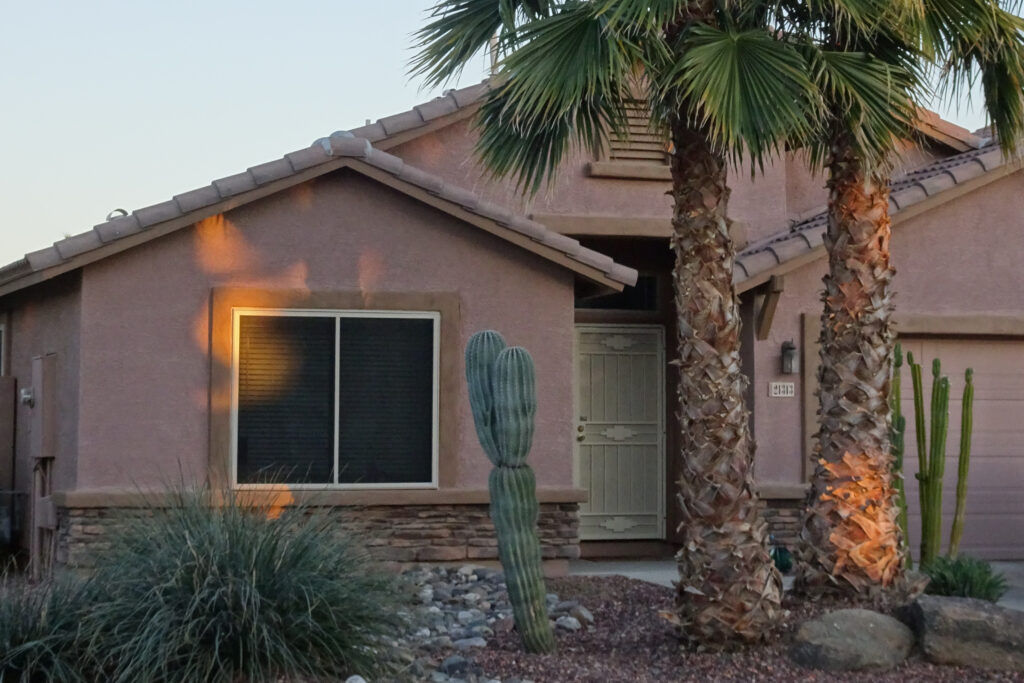
This approach works best in dry states like Arizona, Nevada, Colorado, New Mexico, and parts of California and Texas. But it also helps anywhere with summer droughts. Here are practical plant choices, ground covers, and layout ideas.
Plan a Low-Water Yard Layout
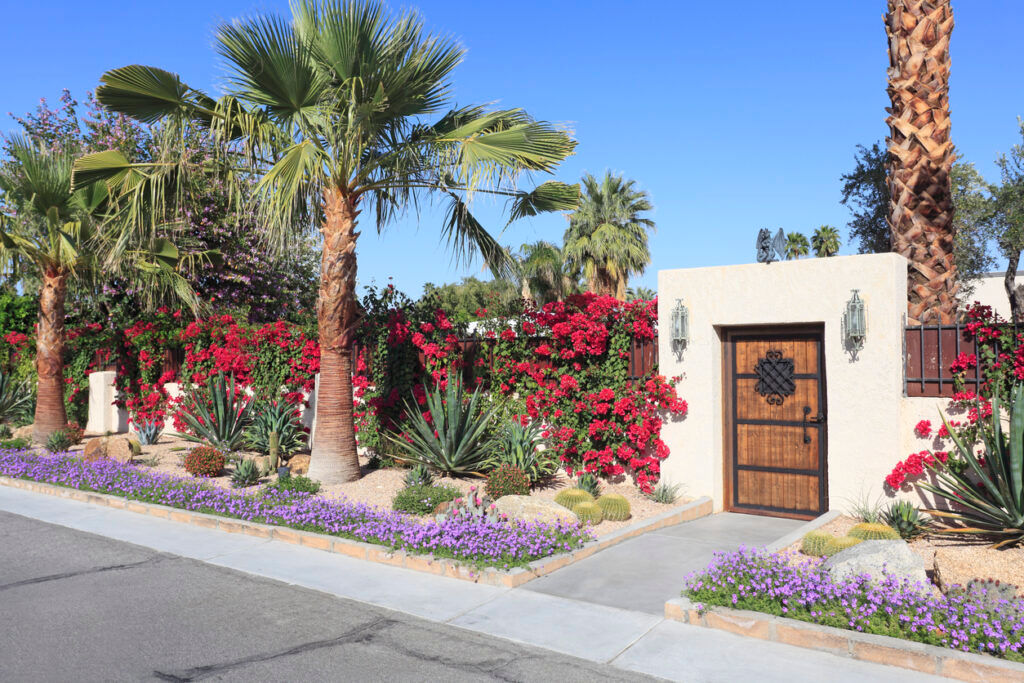
Plan your yard in zones. Keep one small area near the house with moderate-water plants. Fill the rest with low-water or no-irrigation plants and hardscape like gravel, stone, and pavers.
Replace large lawns with gravel beds, decomposed granite, stone paths, and native plant beds. For example, a Phoenix front yard might have a 4-foot gravel path, 3-5 Apache plume shrubs, and a single desert willow tree.
Many city water departments offer rebates for removing grass. Phoenix Water Services Department has funded over 10,000 conversions since 2010, offering up to $3 per square foot. This layout also helps with climate resilience by reducing flammable vegetation near your home, slowing erosion during sudden storms, and creating cooler spaces near windows and doors.
Choose Tough, Native Plants for Your Region
Pick plants that already grow well in your area. In Colorado, try blue grama grass and rubber rabbitbrush. In Arizona, palo verde trees, desert marigold, and red yucca work great.
Native plants handle local rainfall and temperatures without fertilizers. They also support local birds and insects. Colorado State University found natives attract 2-3 times more native insects than non-native plants.
Plant in groups of 3-5 of the same type for a clean, modern look. Check your local cooperative extension office or native plant societies for lists that fit your USDA hardiness zone and local water rules. Creating a defensible space around your home is a key fire-prevention strategy that slows the advance of fire and provides firefighters with a safer area to work.
Use Smart Irrigation and Mulch to Cut Water Use
Drip irrigation uses tubing that slowly drips water right at plant roots. Almost none gets lost to wind or sun. Standard sprinklers waste 30-50% to evaporation, but drip systems lose under 5%.
Use a simple battery or app-based timer that waters early morning on needed days only. Many areas prone to drought in 2026 have watering-day rules.
Add a 2-3 inch layer of mulch like wood chips, stone, or gravel. Mulch helps soil stay cool, holds in moisture, and stops weeds. But keep mulch and drip lines 6-18 inches away from your house siding. This lowers fire risk and stops bugs from reaching your foundation. Homeowners should ensure they have accessible water sources, such as long garden hoses and large containers of water, to help protect their property before fires arrive.
How Xeriscaping Protects Your Home and Helps Resale
A well-planned xeriscape removes dry grass that could catch fire close to your house. Defensible space can be divided into zones, with each zone having specific landscaping and maintenance requirements to effectively reduce fire risk.
It also keeps water from pooling near your foundation during storms. Effective flood mitigation strategies include sealing foundation cracks and installing sump pumps and flood vents. Resilient homes are equipped with drainage systems that direct water away from the foundation.
Buyers in hot, dry states ask agents about water bills and yard upkeep. Las Vegas now limits grass in new front yards. A low-water, easy-care yard makes homes more attractive to climate-conscious buyers. Use FastExpert to find a local real estate agent who knows which outdoor upgrades matter most in your market.
Storm-Rated Windows: Standing Up to Wind, Debris, and Heat
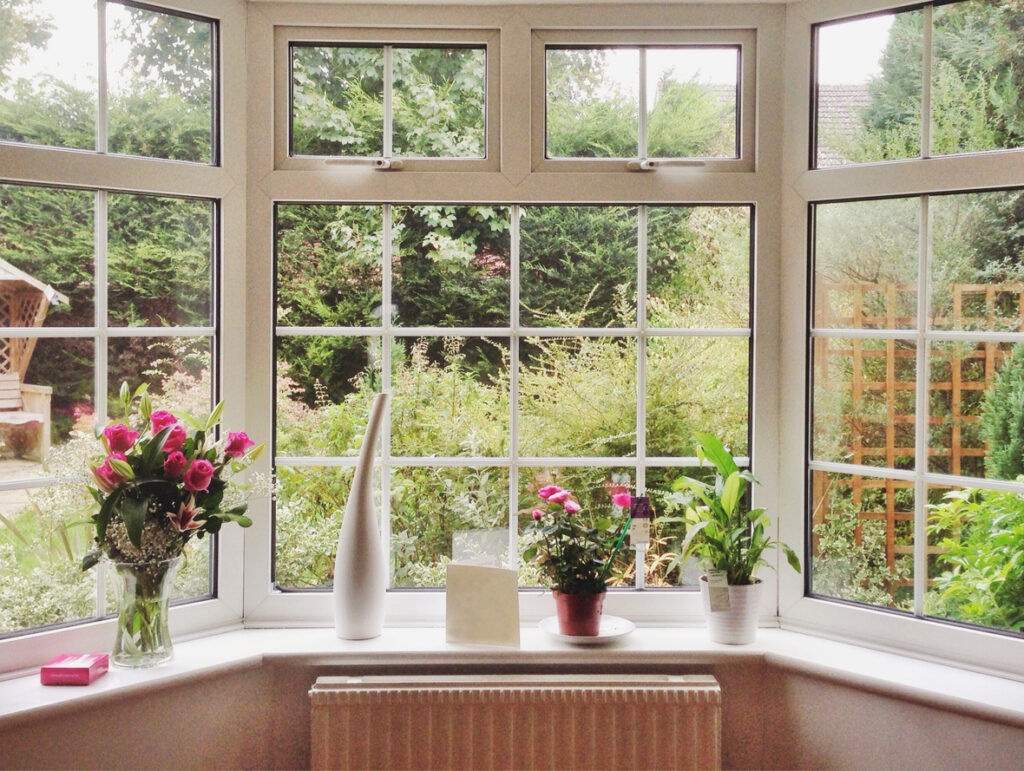
Storm-rated or impact resistant windows have stronger glass and frames that handle high winds and flying debris better than standard windows. They matter most in hurricane and tornado regions like Florida, the Gulf Coast, and parts of the Midwest.
The installation of impact-resistant windows and roofing is essential to withstand extreme weather. These windows also help in places with frequent severe storms and hail by offering better protection against wind damage.
What Makes a Window “Storm-Rated”?
Laminated glass has two layers of glass with a plastic layer between them. When hit, it may crack but usually stays in place instead of shattering into sharp pieces. This helps prevent breakage that lets storms inside your home.
Strong frames made of reinforced vinyl, fiberglass, or aluminum help the whole window stay in the wall during high wind events. Impact-resistant windows and doors can protect homes against high-velocity debris.
Look for windows tested under Miami-Dade standards. These are tested with 9-pound boards shot at high speeds. Top-rated windows handle winds over 130 mph. High winds from hurricanes and tornadoes can lead to structural uplift in homes, so installing hurricane straps can secure roofs to walls to prevent damage during high winds. Installing storm shutters can also protect homes from flying debris during hurricanes and help minimize damage.
Climate and Comfort Benefits Beyond Storms
Modern storm-rated windows often have low-e coatings and insulated glass that trap heat out in summer and warmth in during winter. Reflective roof coatings can reduce indoor heat gain by up to 40%, and using light-colored or reflective roofing materials helps achieve temperature regulation.
Upgrading to double- or triple-pane windows improves energy efficiency and resistance against strong winds. Proper insulation helps maintain comfortable indoor temperatures, reducing the need for heating and cooling while lowering energy bills. This supports your home’s energy efficiency year-round.
Better-sealed windows and doors also cut down on drafts, dust, and pollen. This helps indoor air quality during smoke events or high-allergy seasons. High-performance windows and doors, advanced insulation, and weatherproofing materials contribute to superior indoor climate control, making homes more energy efficient.
Cost, Insurance, and Return on Investment
Storm-rated windows cost more upfront—around $800-$1,500 per window installed versus $400 for standard. But they last 20+ years and cut energy bills by 20-30%.
Many insurance companies offer lower premiums for homeowners who implement resilient safety features, recognizing the reduced risk. In Florida and Texas, some insurers offer 10-20% premium discounts, saving $500-2,000 yearly on insurance costs.
A $5,000 investment in storm-proofing tasks could prevent up to $30,000 in potential damage, demonstrating a significant return on investment for climate resilience measures. Federal tax credits under the Inflation Reduction Act cover 30% up to $600 through 2032. Buyers see impact windows as a major plus because they don’t need to install and store storm panels, helping homes sell faster in storm-prone markets.
🏠See Why Clients Love FastExpert Agents
Choosing and Installing Storm-Rated Windows
Start by finding your local wind zone and building codes. Coastal counties in Florida have special impact requirements that differ from inland areas.
Work with a licensed, insured installer experienced with impact windows. Correct installation—flashing, sealing, anchoring—matters as much as the window itself. Incorrect installation leads to 20% failure rates in retrofits.
Ask installers for:
- Proof of certification (AAMA or NFRC accredited)
- Product ratings and testing results
- Warranty details
- Past projects in similar homes
FastExpert can help you connect with local real estate agents who know which window upgrades make the biggest difference in your area and can often refer trusted contractors.
Fire-Resistant Siding: Building a Better Shield Against Wildfires
In many Western states and parts of the South, wildfires now spread faster and closer to neighborhoods. Fire-resistant siding does not burn as easily as wood or vinyl. It can slow or stop flames and radiant heat from entering your home.
Using fire resistant materials such as concrete, metal, and fiber-cement siding can minimize the impact of wildfires and reduce the chances of fire spreading from one home to another. These materials can still look great on modern, farmhouse, or craftsman-style homes.
Best Siding Materials for Fire Zones
Here are the top fire-resistant options for wildfire prone areas and fire prone areas:
| Material | Fire Rating | Lifespan | Cost per Sq Ft |
|---|---|---|---|
| Fiber-cement | Class A | 50 years | $8-14 |
| Metal (steel/aluminum) | Non-combustible | 40-60 years | $7-12 |
| Stucco | Class A | 50+ years | $6-10 |
| Brick/stone veneer | Class A | 100+ years | $15-30 |
Non-combustible siding like cement board or stucco is recommended for building resilience against fire. A Class A fire rating means the material was tested to stand up best to fire exposure—it can endure 2,500°F flames without spreading fire more than 40 feet.
Avoid untreated wood shingles or standard vinyl in high-risk zones. Vinyl melts at just 400°F from embers. Homes designed with noncombustible materials, such as cementitious painted siding and metal roofing, can significantly enhance wildfire protection.
Designing a Safer Exterior: Trim, Vents, and Decks
Embers can blow for miles and land in small gaps, so siding is only part of your protection plan. Creating a defensible space around your home is a key fire-prevention strategy that slows the advance of fire and provides firefighters with a safer working area.
Key steps for your exterior walls and beyond:
- Choose fire-resistant trim and soffits
- Add ember-resistant vents with fine metal mesh that blocks 95% of embers
- Close gaps where walls meet the roof or deck
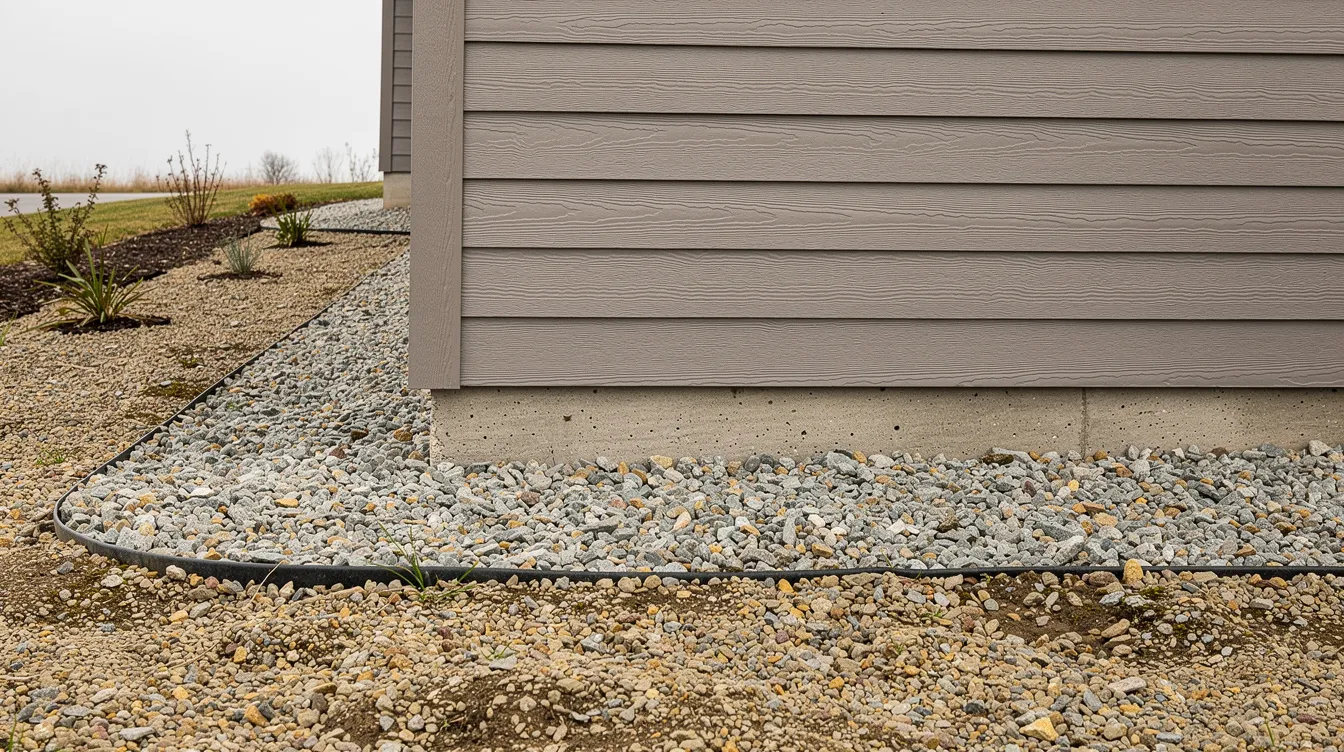
- Create a 0-5 foot non-burn zone: no mulch against the wall, no wood piles on the porch
- Use gravel, stone, or concrete borders instead
Decks and fences that touch the home should use fire resistant materials or breaks—like a metal gate section—to keep flames from reaching the siding.
Cost, Codes, and Long-Term Benefits
Re-siding a house is a major project usually done every few decades. Switching to fire-resistant siding works best when old siding is failing or during a big remodel. Costs run $15,000-$40,000 for a 2,000 square foot home.
Homes built with resilient homes materials are less likely to suffer catastrophic damage during extreme weather events, leading to significantly reduced repair and maintenance costs over time. Some California areas now require noncombustible siding on new homes and large remodels under updated building codes.
The added upfront cost pays off by lowering the chance of total loss, reducing smoke and fire damage, and helping with insurance availability. Home sellers should talk with a local FastExpert agent to learn how highlighting fire-resistant siding helps a home stand out to safety-conscious buyers.
Planning Your Climate-Resilient Project With Local Pros
Climate risks and rules change from place to place, so local advice is key when choosing xeriscaping plans, windows, and siding. Upgrading to energy-efficient appliances and LED lighting can significantly reduce a home’s energy consumption and greenhouse gas emissions while making your home more comfortable.
Make a simple home resilience checklist:
- Yard water use and flammable vegetation risk
- Window age, type, and seal condition
- Siding material and fire rating
- Local fire, storm, or flood control history
- Battery backup and sump pumps for power outages
Investing in solar panels can save homeowners between $20,000 and $97,000 over the lifetime of the system, depending on local electricity costs. This adds to community resilience and renewable energy adoption.
To enhance home resilience against climate change, upgrading the building envelope with high-performance insulation and sealing air leaks is recommended. This prevents ice dams in cold climates while preventing ice dams from forming and causing water damage.
A local real estate agent found through FastExpert can help you decide which upgrades offer the best mix of safety, comfort, and resale value. Agents often point homeowners toward trusted landscapers, window installers, and siding contractors who understand regional climate risks. Some may also recommend resources like community meetings on preparedness or even security service options for monitoring.
Visit FastExpert, enter your city or ZIP code, and compare a short list of highly rated agents before starting major home improvement plans.
FAQ: Climate-Resilient Home Improvements
How do I know which climate risks matter most for my home?
Check recent local news about fires, floods, storms, and heat. Review FEMA or state hazard maps for natural hazards in your area. Ask a local real estate agent which weather events buyers and insurers worry about most. They often know about storm surges, heavy rainfall patterns, and areas prone to specific threats.
Which project should I do first if I’m on a tight budget?
Start with lower-cost steps that offer preventative measures: remove some grass and add mulch and native plants, seal air leaks around old windows, and create a non-burn zone near siding. You can also look into cool roofs that can reduce heat absorption by up to 100°F compared to standard roof shingles. Plan bigger projects like install impact resistant windows or new siding as funds allow. Even small changes improve your home’s resilience.
Can these upgrades lower my home insurance costs?
It depends on your insurer and state. Some companies give discounts for impact windows or fire-resistant features. Homeowners should be aware that standard homeowners insurance policies do not cover flood damage, highlighting the need for flood insurance education. Ask your agent for a list of qualifying improvements before starting work. Many more resources exist through state programs.
Do climate-resilient upgrades really raise resale value?
Value gains depend on location and buyer awareness. In many fire, drought, and storm-prone markets, buyers and lenders pay more attention to resilient features. Climate resilient homes with xeriscaping, storm-rated windows, and fire-resistant siding often sell faster with fewer buyer concerns and can withstand disasters better than standard homes.
How can FastExpert help me with these projects?
FastExpert is a free service that matches homeowners with top local real estate agents across the U.S. These agents help prioritize which climate-resilient improvements matter most for energy savings and value in your city. They often share referrals to trusted local pros—landscapers, window installers, and siding contractors—who do this work well. The systems they recommend through their networks understand local building codes and community requirements.