



How to Sell a House With a Pet


Published by


Pets are part of the family. For many, a pet is more than just an animal—they are a cherished family member. They live in our homes, move through every room, and leave signs behind. With pets living in the house, selling can present unique challenges, such as managing odors, fur, and pet-related wear and tear. When it is time to sell your house with a pet, not every buyer feels the same way about animals as you do. Some people have allergies. Others worry about smells or damage. Your job as a seller is to help potential buyers feel comfortable and picture the home as their own, even if you share it with beloved pets.
Almost half of American households own pets, according to the U.S. Census Bureau. Pet ownership has a moderate to major impact when selling a home, according to the National Association of REALTORS® (NAR). Selling a home when you have a pet is very possible, especially for pet owners who take a little extra planning to prepare their property for prospective buyers.
>>Sell Your Home with an Expert Real Estate Agent
Deep Clean and Deodorize Thoroughly
Pet odors are one of the first things buyers notice when they walk into a home. Even if you do not smell it anymore, someone seeing the house for the first time often will. Many buyers may be turned off by pet smells in a home within moments of entering.
Here are some tips to help you prepare your home for sale and tackle pet-related issues. Before listing, it is important to spend time on a deep cleaning. Carpets, rugs, sofas, and curtains can trap pet hair and odor. Soiled carpets and dog urine stains are common problems that need special attention—use enzymatic cleaners instead of air fresheners, as air fresheners only cover smells for a short time. Cleaning air vents and changing HVAC filters can also help improve the air inside the home.
Removing all evidence of pets, such as hair, stains, and odors, is crucial to help buyers imagine themselves living in the space. Removing pet odors is one of the biggest challenges when selling a home with pets. Many real estate agents recommend having homes professionally cleaned to remove pet odors and stains before selling. The ‘Sniff Test’—having a friend who does not own pets walk through your home—can help you identify lingering smells you might miss.
On more than one occasion, I have shown homes where buyers smelled air fresheners or scented candles and immediately wondered what the sellers were trying to cover up.
A clean, neutral-smelling home makes a strong first impression. I have seen buyers hesitate at the front door because of smell alone, even when the home checked every other box.
Repair Any Pet-Related Damage
Buyers notice evidence of wear and tear quickly. Any person viewing the home will spot scratches on floors, baseboards, doors, chewed trim, stained carpet, torn screens, damaged fencing, or even pet poop left in the yard right away. Even small issues can make buyers think the home was not well cared for. To better understand what indicates buyer interest, check out these signs that a house showing went well.
Repairing scratches on door frames, baseboards, flooring, or drywall caused by pets is crucial when preparing your home for sale. It’s also important to disclose any significant pet damage during the selling process to maintain transparency with potential buyers.
Fixing these problems before listing helps prevent buyers from lowering their offer or asking for repairs or a credit later. Taking care of visible pet damage shows pride of ownership and helps protect your final sale price.
Consider Replacing Flooring in High-Impact Areas
Some floors take more wear than others, especially in homes with pets. If carpets are worn, permanently stained, or hold smells that won’t come out, it’s a smart move to replace carpet before listing. Updating to new, neutral flooring—such as laminate flooring, which 76% of animal owners prefer for its durability against pet-related wear and tear—can put you ahead of the competition and give you an advantage in the property market.
Buyers often look for pet-friendly features such as fenced-in yards and laminate flooring. In fact, 78% of dog owners want a fenced-in yard as a feature in a home. Buyers often assume that replacing flooring will be expensive and stressful. New, neutral flooring can make the home feel cleaner and more move-in ready. LVP (luxury vinyl plank) is all the rage nowadays. This can remove doubts early and help your home stand out.
Declutter Pet Supplies
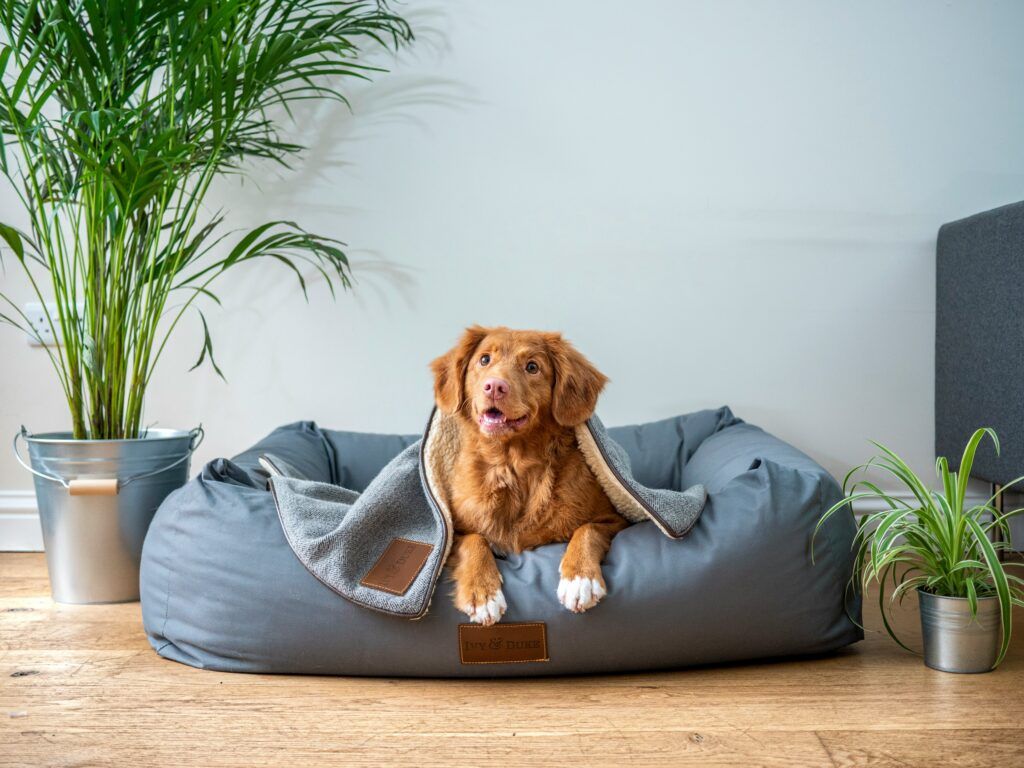
It’s easy for pet owners to accumulate a lot of stuff—food bowls, litter boxes, crates, beds, toys, and pet gates—which can make a home feel crowded and remind buyers that animals live there, making rooms feel smaller.
Before photos and showings, remove all evidence of pets from your home, including pet objects like food dishes and litter boxes, to present a clean and inviting space. Clear floors, counters, patios, and laundry areas so buyers focus on the home itself. If you can’t remove your pets during showings, keep them in a crate or confined to a specific area to minimize mess and odors.
Consider boarding your pets at a kennel or leaving them with a friend or relative during showings to reduce stress for both you and your pets. Also, remove personal photos, especially those featuring pets, to help the home feel more impersonal and spacious. A simple, clean look helps buyers imagine their own life in the space.
Remove Pets During Showings
Whenever possible, pets should not be in the home during showings, open houses, and professional photography or videography. Taking pets out during home showings is recommended to avoid potential issues with buyers and to help create a more appealing environment for potential buyers. Even friendly pets can distract buyers or make them uncomfortable.
When I list a house, I often gift the owners a pet-grooming or day-away session for their dogs so the pets are out of the house and visitors are relaxed during showings. Boarding your pets at a kennel or leaving them with a friend or family member during showings can reduce stress for both you and your pets.
If removing your pets from the home is not possible, you can decide to confine them to a crate or a specific area to minimize disruptions. Temporary relocation of pets during the home selling process can alleviate stress for both the pets and the sellers.
Some buyers are afraid of animals. Others have allergies or simply do not want to worry about a pet while touring a home. Placing a sign on the door to inform visitors about pets during showings is a good precaution. To maximize appeal, ensure pets are not present during viewings and tidy the yard of waste. Having pets out of the house allows buyers to move freely and focus on the property. It also keeps your pet calm and safe during the process.
Boost Curb Appeal and Safety
First impressions start outside. Make sure the yard is clean and free of dog poop or any pet waste before showings. Fill in holes dug in the lawn or garden and check that fences and gates are secure.
Buyers will notice the garage, so ensure it is clean, free of pet odors, and not cluttered. Also, keep bathrooms clean and make sure pets are not in or near bathrooms during showings.
Outdoor pet items should be cleaned and neatly stored. A well-kept yard tells buyers the home has been cared for inside and out.