


Service Areas
About Angela Rodriguez
Angela Rodriguez is a top Spanish-speaking Realtor in Orlando and Central Florida, and the Broker-Owner of Dream Finders Realty Group. She is also a Civil Engineer with property appraisal training and a Harvard-trained negotiator with more than 12 years of experience helping families, sellers, buyers, investors, and international clients buy, sell, relocate, and invest in Florida real estate.
Angela has helped more than 500 families and has achieved more than $280 million in career real estate sales. She specializes in luxury homes, new construction, first-time homebuyers, relocation to Florida, investment properties, and residential real estate throughout Orlando, Winter Garden, Windermere, Lake Nona, Dr. Phillips, Horizon West, Celebration, Winter Park, Kissimmee, Clermont, and Bella Collina.
As Broker-Owner of Dream Finders Realty Group, Angela leads a bilingual real estate team known for data-driven pricing, expert negotiation, high-level digital marketing, and client education. Her background as a Civil Engineer and her property appraisal training give her clients a technical advantage when evaluating property value, construction quality, comparable sales, pricing strategy, and long-term investment potential.
Angela holds respected real estate designations and certifications, including CIPS, ABRA(R), AHWD, e-PROA(R), Platinum Key, and Luxury Specialist. She has 171 Google reviews, 35 Zillow reviews, 33 FastExpert reviews, and a digital community of more than 437,000 Instagram followers at @angela_turealtor.
Angela has also been featured in a Tom Ferry case study and was a speaker in Tom Ferry's first Spanish-language webinar for Realtors, highlighting her role as one of the leading Spanish-speaking real estate voices serving Orlando and Central Florida.
OTHER LANGUAGES
Credentials
LICENSE
Specialties
- Appraisal
- Buyer's Agent
- First Time Home Buyers
- Investment Properties
- Listing Agent
- Luxury Specialist
- New Construction
- Relocation
- Seniors Real Estate Specialist (SRES)
- Vacation / Short-term Rentals
Awards
-


2026
TOP AGENT
Winter Garden, FL
2026
TOP AGENT
Clermont, FL
Answered Questions
Yes, buying a duplex with a friend can absolutely work, and many first-time buyers do this to enter the housing market sooner. In most cases both of you would apply for the same mortgage, and the lender would look at your combined income and credit to qualify for the loan. Each of you would be responsible for the mortgage, and many people choose to live in one unit while renting the other to help offset the monthly payment. The most important part is how the ownership is structured. The safest way for two friends to own property together is usually Tenants in Common. This means each person owns a defined percentage of the property (often 50/50, but it can be different if one person contributes more). Unlike other ownership structures, this allows each owner to sell their share if they ever decide to exit the investment. However, the deed alone isn't enough. The smartest move is to also create a written co-ownership agreement from the beginning. This document should clearly explain how expenses will be divided, who is responsible for maintenance, how rental income will be handled, and most importantly what happens if one person wants to leave the partnership. A common solution is to include a buyout clause, where if one person wants out, the other has the first opportunity to buy their share at a value determined by an appraisal. If the remaining partner cannot buy it, then the property can be sold. When this is structured correctlyaEUR"with the right ownership type and a clear agreementaEUR"it can be a very practical way to buy property earlier, build equity, and reduce housing costs while avoiding future legal issues.
It really depends on your short- and long-term plans with the property. A 2-1 buydown can be helpful for lowering your payment in the first two years, but it's temporary. In a 2-1 buydown the seller pays to reduce your interest rate for the first year and second year, but by year three your rate goes back to the full note rate that you originally locked. So if rates haven't dropped by year three, your payment simply adjusts to that original rate. Nothing is " wrongaEUR? with that structure, but it's important to understand that the benefit only lasts for those first two years. That's why many buyers who plan to keep the home long term often prefer negotiating either a price reduction or a permanent rate buydown, because those lower the payment for the entire life of the loan, not just temporarily. A 2-1 buydown tends to make more sense if you believe one of two things might happen in the near future: aEURc your income will increase in the next couple of years, or aEURc you expect to refinance if rates drop. But if the goal is to stay in the property for many years and keep the lowest possible payment, lowering the purchase price or buying down the rate permanently is usually the more stable strategy.
The highest price isn't always the safest offer. What really matters is the probability of getting to closing. Cash is often strong because there's no lender involved, but a financed offer can also be solid if the buyer is well qualified. One thing we always do in this situation is call the buyer's lender directly to verify how strong the financing really is. That conversation can tell us a lot aEUR" whether the buyer is fully underwritten, how solid their income and assets are, and if there are any risks. Then we evaluate the full picture: price, contingencies, strength of financing, and earnest money. Sometimes the best offer is the one that combines a good price with the highest certainty of closing.
You don't necessarily have to buy it out to sell the home, but solar leases can make buyers hesitant because of the monthly payment and the credit check required to transfer the lease. In most cases you have three options: transfer the lease to the buyer (if they qualify with the solar company), negotiate with the buyer to share or offset the cost, or pay off the remaining balance. What we usually recommend is paying it off at closing using the proceeds from the sale. That way the buyer receives the home with fully owned solar panels and no extra monthly obligation, which tends to make the property easier to sell and removes a common obstacle during negotiations.
Yes, adding a granny flat or ADU can increase your home's value, but it usually doesn't produce a perfect 1:1 return on what it costs to build. Appraisers don't simply add the construction cost to the value of the home. Instead, they look for comparable properties in the area that also have an ADU and determine how much extra value buyers have been willing to pay for that feature. In markets where ADUs are common, they can add meaningful value because they provide extra living space, rental income potential, or a solution for multigenerational living. However, in areas where they're less common, the contributory value may be lower than the construction cost. In Texas, buyers are increasingly interested in ADUs for rental income or extended family use, which can definitely make a property more attractive, but the financial return often depends on the neighborhood and the quality of the build. In many cases the biggest benefit is the flexibility and potential rental income while you own the property, rather than expecting to recover every dollar immediately at resale.
Dear David, Before buying a condo in South Florida, you should carefully review the association documents, budget, financials, and meeting minutes, not just the unit itself. A condo can be a great option, but the association rules can directly affect your lifestyle, monthly costs, and future resale value. The main things I would review are: 1. **Budget and reserves** Look at whether the association has healthy reserves or if they are underfunded. Low reserves can lead to future special assessments, especially in older buildings or buildings with upcoming repairs. 2. **Special assessments** Ask if there are any current, pending, or recently approved special assessments. Also review the meeting minutes to see if major repairs, insurance increases, roof work, concrete restoration, elevator repairs, or milestone inspections have been discussed. 3. **Rental restrictions** Some buildings limit rentals, require a waiting period before leasing, restrict short-term rentals, or only allow one lease per year. This matters even if you plan to live there because it can affect future flexibility and resale value. 4. **Pet rules** Review breed restrictions, weight limits, number of pets allowed, and whether tenants are allowed to have pets. 5. **Approval process** Many South Florida condo associations require buyer approval, applications, interviews, background checks, and fees. You'll want to know the timeline before you make an offer. 6. **Insurance coverage** Check what the master policy covers and what you'll be responsible for through your own condo insurance policy. In Florida, insurance costs can significantly affect the association's budget. 7. **Maintenance responsibilities** Confirm what the association maintains versus what the owner maintains, including windows, doors, balconies, plumbing, HVAC, and interior repairs. 8. **Use restrictions and renovation rules** Some associations limit flooring types, renovation hours, contractor requirements, balcony use, parking, storage, guests, and even what can be placed outside your door. 9. **Litigation or violations** Ask whether the association is involved in any lawsuits, code violations, insurance disputes, or major structural issues. These can affect financing and future costs. 10. **Minutes from recent meetings** This is one of the most important items. Meeting minutes often reveal issues before they show up in official documents, such as owner complaints, deferred maintenance, upcoming repairs, or budget concerns. Before making an offer, I would ask for the condo documents, budget, reserves, current financials, FAQ/rules and regulations, insurance information, recent meeting minutes, and any disclosure about special assessments. Also, have your lender review the condo early because some buildings may not qualify for certain types of financing. A condo is not just buying a unit; you're also buying into the financial health and rules of the association. That's why reviewing the documents before moving forward is so important.
Dear Josh, Choosing the right time to sell a vacation property depends on more than just the calendar. In a tourist-heavy area, timing can definitely influence buyer interest, but the best strategy is usually based on market demand, rental performance, competition, and the property's presentation. One important thing to consider is **seasonality**. Selling during peak tourist season can help because more people are physically in the area, experiencing the lifestyle, and possibly imagining themselves owning there. The property may also show better if the community feels active, amenities are being used, and the area looks vibrant. However, peak season is not always automatically the best time to list. You also want to look at: 1. **Current inventory** If there are fewer similar vacation homes for sale, you may have stronger pricing power. Too much competition can make it harder to stand out, even during a busy season. 2. **Recent comparable sales** Review what similar properties have sold for, how long they took to sell, and whether they sold above or below asking price. This gives you a more realistic idea of the market. 3. **Rental history and income** If your vacation property has strong rental numbers, bookings, or a good occupancy history, that can be a major selling point for investors. Make sure your income records, expenses, and booking history are organized before listing. 4. **Future bookings** Some buyers may like seeing future reservations already in place, while others may prefer flexibility to use the home themselves. The listing strategy should be clear about whether bookings transfer or can be canceled. 5. **Condition and presentation** Vacation-home buyers are often attracted to lifestyle. Professional photos, staging, updated dA(C)cor, themed rooms, amenities, and strong marketing can make a big difference. 6. **HOA, resort, or short-term rental rules** Buyers will want to know if short-term rentals are allowed, what restrictions apply, and whether there are any upcoming HOA changes, assessments, or fee increases. 7. **Tax and financial planning** Before selling, speak with your CPA about possible capital gains, depreciation recapture, and whether a 1031 exchange may make sense if you plan to reinvest. The best time to sell is usually when your property can be positioned with strong numbers, limited competition, and attractive presentation. In many vacation markets, listing before or during peak season can be smart because buyers are already focused on the area, but the right pricing and marketing strategy matter just as much as timing. Before making a decision, I would review your current market value, rental performance, expenses, comparable sales, and your personal financial goals. That way, you're not just selling at a convenient time; you're selling with a strategy to maximize your return.
Dear Brandi, At 70 days on the market with two price drops, beautiful feedback, and no offers, the key is to stop guessing and diagnose where the disconnect is happening. If buyers are saying the home shows beautifully but no one is making an offer, that usually points to one of three things: **price, positioning, or buyer motivation**. The first thing I would review is whether the price is truly aligned with the current market, not just recent comparable sales. In a shifting market, active competition matters a lot. Buyers are comparing your home against every other similar home available right now. If another 5-bedroom home offers more upgrades, a better lot, a lower payment, or seller incentives, they may choose that one even if your home is well maintained. Second, I would look at your online presentation. New photos help, but the listing also needs to clearly communicate why your home is the best choice. The first photo, listing description, floor plan, video, and marketing strategy should highlight the lifestyle, backyard improvements, condition, space, and value compared to the competition. Third, consider changing the offer strategy instead of only reducing the price. Sometimes buyers are not objecting to the house; they are objecting to the monthly payment. Depending on your numbers, offering a closing cost credit, rate buydown, or buyer incentive may create more interest than another price reduction. I would also ask your agent for very specific data: * How many online views and saves has the listing received? * How many showings have you had compared to similar homes? * What homes have gone pending since yours was listed? * What did those homes offer that yours did not? * Are buyers rejecting the price, location, layout, finishes, yard, neighborhood, or monthly payment? * Is the home being marketed beyond the MLS, or just listed online? At this point, I would not make another move emotionally. I would request a full market repositioning plan. That may include a new pricing strategy, stronger buyer incentives, refreshed listing copy, targeted marketing, agent-to-agent outreach, open houses, social media exposure, and a review of the competition. The good news is that the feedback says the home shows well. That means the product is not necessarily the problem. Now the goal is to make the value obvious enough for a buyer to act. With your husband already out of state, I would focus on urgency, but not panic. The next step should be strategic: compare your home to the homes that are actually selling, adjust the positioning, and create a reason for buyers to choose your home now instead of continuing to wait.
Dear A Lock, Using the proceeds from the sale to buy another primary residence does **not automatically avoid capital gains tax**. That old rule no longer works the way many people think it does. The first thing to determine is whether the property still qualifies for the **primary residence capital gains exclusion**. In general, if you owned the home and lived in it as your primary residence for at least **2 of the last 5 years** before the sale, you may be able to exclude up to **$250,000 of gain if single** or up to **$500,000 if married filing jointly**, depending on your situation. However, because the home later became a rental, the timing matters a lot. If you have not lived in the property as your primary residence for at least 2 of the last 5 years, you may not qualify for the primary residence exclusion anymore. Also, even if you do qualify for part of the exclusion, you may still owe tax on **depreciation recapture** for the years the property was used as a rental. That part is often misunderstood. A **1031 exchange** may be another option, but only if the property is considered an investment/rental property and you reinvest into another qualifying investment property. You generally cannot sell a rental property, use the money to buy your new personal residence, and treat that as a 1031 exchange. So the answer depends on a few key details: * When did you buy the home? * When did you live in it as your primary residence? * When did it become a rental? * How much gain do you have? * Did you claim depreciation while it was rented? * Are you buying the new home as a personal residence or as an investment? Before selling, I would strongly recommend speaking with a CPA or tax advisor. There may be ways to reduce or defer taxes, but the right strategy depends on the timeline and whether the property still qualifies as a primary residence, an investment property, or both for tax purposes. In simple terms: buying another house together does not, by itself, erase the capital gains tax. The tax treatment depends on whether you qualify for the primary residence exclusion, whether depreciation recapture applies, and whether a 1031 exchange is available.
Hi Carmen, A good agent helps you price your home correctly by looking at the market from both the seller's perspective and the buyer's perspective. The first step is a **comparative market analysis**, also called a CMA. This means reviewing homes similar to yours that have recently sold, homes that are currently active, and homes that went under contract. Sold homes show what buyers have already been willing to pay, while active homes show your current competition. An agent should also look beyond just square footage and bedroom count. The right price depends on factors like location, lot size, condition, upgrades, layout, age of the home, community amenities, school zones, HOA fees, and how your home compares to other options buyers can see online. A strong agent will also review market trends, such as average days on market, price reductions, buyer demand, interest rates, and whether homes in your area are selling above, at, or below list price. Pricing too high can cause the home to sit, lose momentum, and eventually require price reductions. Pricing too low may create interest, but it can also leave money on the table if there is not a strong strategy behind it. The goal is not just to pick the highest number. The goal is to position the home where buyers see value, showings increase, and offers are more likely to come in. A good agent should give you a clear pricing range, explain the data behind it, review your competition, and recommend a strategy based on your timeline and goals. The best listing price is the one that helps you attract serious buyers while still protecting your equity and maximizing your return.
Carmen the way I help a seller price a home correctly is by combining market data, valuation experience, and strategy. Before becoming a broker, I worked as an appraiser, and I am also a civil engineer, so I tend to look at pricing from a very analytical and numbers-based perspective. For me, pricing a home is not about guessing or simply choosing the highest number. It is about understanding how the market is actually behaving and how buyers, lenders, and appraisers are likely to view the property. The first step is reviewing the comparable sales, but not all comps carry the same weight. I look at the most relevant recent sales based on location, size, condition, upgrades, lot, layout, age, and community features. I also compare active listings and pending sales because those show the competition the buyer is seeing right now. I also review the absorption rate, days on market, price reductions, and the relationship between list price and closed price. That helps determine how aggressive or conservative the pricing strategy should be. For example, if homes are consistently closing below list price, that needs to be considered. If the market is moving quickly with limited inventory, that may support a stronger price position. The goal is to price the property in a way that creates interest, supports the marketing strategy, and still leaves room for negotiation without overpricing the home. A well-priced home should attract qualified buyers, generate showings, and also make sense from an appraisal perspective so the transaction has a better chance of closing smoothly. In my opinion, the right listing price is not just the highest price a seller hopes to get. It is the price that positions the home competitively, protects the seller's equity, creates buyer confidence, and gives the seller the best opportunity to maximize the final result.
Jennifer, The sale price alone does not determine how much tax you will pay. If you sell the house for $260,000, the tax is generally based on the **gain**, not the full sales price. The first question is what type of trust owns the property. If it is a **revocable living trust**, many times the IRS treats it similarly to you owning the property personally for income tax purposes. If it is an **irrevocable trust**, the tax treatment can be different, and the trust may need to file its own tax return. To estimate whether taxes may be owed, you would need to know: * What the home was originally purchased for * Any major improvements made to the property * Selling costs, such as commissions and closing costs * Whether it was your primary residence * Whether you lived in it for at least 2 of the last 5 years * Whether it was rented or depreciated * Whether the property was inherited and received a stepped-up basis * Whether the trust is revocable or irrevocable For example, if the home sells for $260,000 but your adjusted basis and selling costs are close to that amount, there may be little or no taxable gain. But if the home was purchased for much less and has a large gain, there could be capital gains tax unless you qualify for an exclusion. If this was your primary residence and you meet the IRS ownership and use rules, you may be able to exclude up to $250,000 of gain if single, or up to $500,000 if married filing jointly. But if it was a rental, inherited property, or held in an irrevocable trust, the answer can change. So the best answer is: you do not pay tax on the full $260,000. You may owe tax only on the taxable gain, depending on the trust type, your basis, your use of the property, and whether any exclusions apply. Before closing, I would strongly recommend having a CPA or tax professional review the trust documents and your purchase/improvement records so you know the estimated tax before you sell.
Dear Irene, Selling the second home and giving your grandson $300,000 are two separate tax issues. First, the capital gains tax is based on the sale of the property. Since this is a second home, you generally cannot use the primary residence capital gains exclusion unless the property qualifies as your main home under IRS rules. Your taxable gain would usually be the sales price minus your adjusted basis, which includes what you paid for the home, certain improvements, and selling costs. Giving part of the proceeds to your grandson does not eliminate the capital gains tax on the sale. In other words, if there is a taxable gain, the sellers are still responsible for the capital gains tax, even if they later gift some of the money to a family member. Second, the $300,000 gift to your grandson may create a gift tax reporting requirement. The recipient usually does not pay income tax on a gift. However, the person giving the gift may need to file a gift tax return if the gift is above the annual exclusion amount. That does not always mean you will owe gift tax immediately. Large gifts often reduce your lifetime estate and gift tax exemption first. But the gift may still need to be reported properly. The main things to review with a CPA are: * Your original purchase price * Any improvements made to the OBX property * Selling costs and commissions * Whether the home was ever rented or depreciated * Your total capital gain * Whether North Carolina state tax applies * How to structure and report the $300,000 gift * Whether both spouses are making the gift, which may affect the gift tax reporting In simple terms: gifting $300,000 to your grandson does not reduce the capital gains tax from selling the second home. The sale may create capital gains tax for you, and the gift may create a gift tax filing requirement, but your grandson generally does not pay capital gains tax just because he receives the cash gift. Before closing and before transferring the money, I would speak with a CPA or estate planning attorney so the sale and gift are handled correctly.
Dear Barclay, If you are both on title, you generally own a legal interest in the property, but selling " your halfaEUR? may not be simple. Most buyers do not want to purchase only a partial interest in a home when the other co-owner is still living there and does not want to sell. The first thing I would do is review three things: the deed, the mortgage, and the written agreement you had with your ex. The deed will show how the property is titled. The mortgage will show whether you are still financially responsible for the loan. The agreement may help show that there was already an understanding that she would either refinance you off the property, buy you out, or sell. Your practical options are usually: 1. She buys out your equity and refinances the mortgage into her name only. 2. You both agree to sell the home and split the proceeds according to your ownership and any agreement you have. 3. You negotiate a deadline with a written settlement agreement. 4. You use mediation to try to resolve it without going to court. 5. If she refuses to cooperate, you speak with a real estate attorney about a partition action, which is a legal process that may allow a co-owner to force the sale or division of jointly owned property. The solar loan or solar contract is also important. You need to know whether it is leased, financed, paid off, or attached to the property, because that can affect the equity, payoff, and sale. I would not sign over your interest or agree to anything informally until you know whether your name is still on the mortgage and what your actual equity position is. If your name is still on the loan, you may still be financially responsible even if you moved out years ago. At this point, I would recommend speaking with a real estate attorney in your state. A Realtor can help determine market value and possible sale options, but when one co-owner refuses to sell, this becomes a legal issue. The attorney can review your agreement, calculate your options, and advise whether a buyout demand, mediation, or partition action is the best next step.
Dear George, If you are unhappy with your real estate agent's performance after several months, I would start by reviewing your listing agreement and asking for a meeting with the agent and, if needed, the managing broker. Communication and trust are very important in a real estate relationship. If you feel that communication has been lacking, the marketing is not producing results, and you no longer have confidence in the strategy, it may be time to request a termination of the agreement. Before doing that, I would ask for a clear review of what has been done so far: * How many showings have there been? * How many online views and saves has the listing received? * What feedback have buyers and agents provided? * What marketing has been done beyond the MLS? * What homes have sold or gone pending during the same period? * What changes are being recommended now? If the agent cannot provide clear data, a stronger plan, or better communication, then continuing may not be productive. A real estate relationship is a little like a marriage. If both sides are not communicating, aligned, and working with trust, it may be better to separate professionally rather than keep forcing a relationship that is not working. I would ask the broker or agent, in writing, if they are willing to release you from the listing agreement. Be professional and specific. You can say something like: " At this point, I do not feel this is the right fit, and I would like to request a mutual termination of the listing agreement.aEUR? Before signing anything, make sure you understand whether there are any cancellation fees, protection periods, marketing reimbursements, or conditions in the agreement. The goal is not to attack the agent. The goal is to protect your best interest, get clarity, and move forward with a strategy and professional relationship that gives you confidence.


Contact Information
Location
Social Media


Available Listings View All
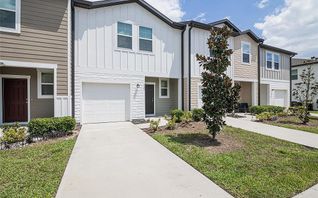
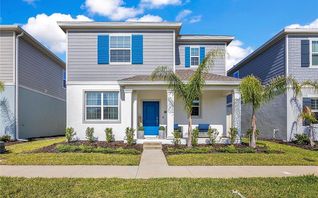

 View All Listings
Trusted Professionals

Trusted Pro
Angela Rodriguez is a Trusted Pro with a network of verified professionals.

Real Estate Agent

Real Estate Agent

Real Estate Agent
Real Estate Agent
Vendor

Real Estate Agent
 ZillowVERIFIED