


Service Areas
About Jack Ma
OTHER LANGUAGES
Community Involvement
Credentials
LICENSE
Designation
Probate & Trust Specialist
ABR (Accredited Buyers Representative)
SFR (Short Sales & Foreclosure Resource)
CDPE (Certified Distressed PropertyExpert)
Real Estate Investing
Real Estate Broker
Top Producer
Seller Representative Specialist
Licensed Realtor
Broker / Associate Broker
REALTOR
Specialties
- Buyer's Agent
- Listing Agent
- Probate & Trust Sales
- Property Management
- Short sale specialist
Awards
-


2026
TOP AGENT
Chino Hills, CA
2026
TOP AGENT
Walnut, CA
2026
TOP AGENT
Chino, CA
Other Awards
2017. 2018, 2020,2021, 2022, 2024 Centurion Producer - Century 21 Masters
Answered Questions
I deal with this pretty often, and the key is not turning it into a fight over who's right. The seller is right, it works. But you're the one inheriting a roof that's on borrowed time. What I usually do is bring in real numbers early. Get a couple of roofing quotes so you're not just asking for a discount, you're showing an actual cost. From there, I don't push for a replacement. That almost always backfires. A credit is the better play so you can handle it your way after closing. The way you frame it matters. You're not asking for an upgrade, you're asking for help with a known expense that's coming soon. If the price already reflects the roof, you may not get much. If it doesn't, you've got a solid case. It's about keeping the deal together without walking into a big bill right after you close.
There's no single metric that tells you a neighborhood is going up or down, it's usually a pattern. The first thing I look at is days on market and buyer activity. If homes are selling faster and getting multiple offers, demand is building. If listings are sitting or seeing price cuts, that's usually a warning sign. Next is what's happening to the homes themselves. Are people renovating and improving them, or starting to let things slide? Investment into properties is one of the clearest signals of where an area is headed. I also watch who's moving in and out. If you're seeing more young professionals and families coming in, that's typically upward movement. If it's mostly people exiting without reinvesting, that can go the other way. Another big one is local development. New businesses, grocery stores, and restaurants usually follow demand and bring more of it with them. Then look at pricing. Are values moving up with strong comps or staying flat while nearby areas are growing? Real estate doesn't move in isolation. At the end of the day, you're looking for momentum. Not perfection, just steady signs that people want to be there and are willing to invest in it.
Price reductions don't make your home look desperate, they make it look aligned with the market when they're done right. What actually raises red flags for buyers is a listing that just sits with no activity, because that's when people start assuming something's wrong and come in low. A well-timed price adjustment can bring a property back to life with new interest and showings. Where it starts to feel desperate is when a home is priced too high from the start and then chipped down with multiple small reductions, which makes it look like the seller is chasing the market. The goal is to be realistic early, and if needed, make one strong adjustment that gets attention and creates momentum. Buyers aren't turned off by a price change, they're reacting to whether the home feels like a good value.
It depends less on when the offer comes in and more on how strong it is. I've seen plenty of cases where the first offer ends up being the best one, especially if the home is priced right and hits the market clean, serious buyers are already watching and ready to move. What matters is the full picture: price, terms, contingencies, financing, and how likely that buyer is to actually close. If it's a strong, clean offer, waiting can sometimes backfire, and you risk losing momentum. On the other hand, if it feels light or you've had a lot of early interest, it may make sense to give it a little time and see what else comes in. The key is not getting caught up in timing alone look at the quality of the offer and how it lines up with your goals.
A lot of sellers don't realize that insurance is now a major part of the buyer's monthly cost, just like the mortgage itself. If those premiums jump, it can push the buyer's debt-to-income ratio over the limit, even if they were fully approved before. I've had deals where everything looked solid on paper, but once the real insurance quote came in, the numbers no longer worked for the buyer. At that point, the lender can pause or even deny the loan, not because of the price alone, but because the total monthly payment is too high. That said, it doesn't always mean the deal is dead. This is where you have to get a little creative. Sometimes it's a matter of the buyer shopping for a better insurance policy, adjusting the loan structure, or renegotiating the price or credits to help offset the cost. I've also seen cases where both sides meet in the middle to keep the deal together, especially if everyone's already deep into the transaction. Bottom line, yes, the bank can effectively kill the deal if the buyer no longer qualifies with the updated insurance costs. But in my experience, if both sides are motivated, there's usually a path to work through it before letting it fall apart.


Contact Information
Location
Social Media


Available Listings View All
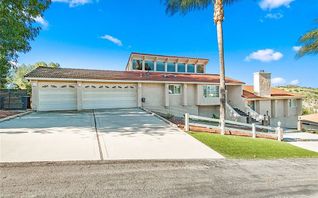
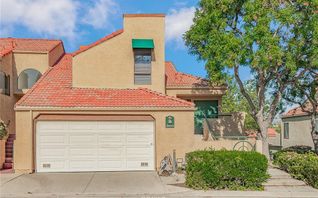 View All Listings
Trusted Professionals

Trusted Pro
Jack Ma is a Trusted Pro with a network of verified professionals.

Real Estate Agent
 ZillowVERIFIED