



The City of Miami is described as a coastal metropolis located in Miami-Dade County in Florida. As of the 2020 census, Miami is said to have an estimated population of 467,963. This makes it one of the major largest cities in the U.S. Miami is known as a central hub for finance, commerce, culture, arts, and international trade. It was even classified in 2020 as a Beta + level global city by the GaWC. Greater Downtown Miami has one of the largest concentrations of international banks in the entire U.S., and it is home to many national and international companies. The Health District is a major center for hospitals, clinics, and biotechnology and medical research industries. It is also home to the busiest cruise port in the world, in both passenger traffic and cruise lines. With all of this in mind, it is no shock to know that Miami is considered one of the best places to not only retire but also for young professionals to settle down to either start a family or to find a place to find work. Miami is mainly known for its beaches, food, and nightlife, but rest assured that there are more qualities to this major city of which its residents are extremely proud. Here are some things you should know before moving to Miami, and the two major tips you should follow. Be prepared for the weather When people think of Florida, what often comes to mind is the weather. If you're from up north and accustomed to snowy winters, the Florida heat can feel like a paradise! But if you're relocating to Miami from a dry, arid climate, the humidity can be a big surprise. You'll want to expect frequent and intermittent rain showers and pack accordingly, making sure you always have an umbrella in your car and that your wardrobe has been updated. Hurricane season is something that is drilled into Miami locals and includes keeping stocked essentials, having evacuation plans, and planning for any scenario depending on you and your family's needs. The hurricane season typically occurs between June and November, with August historically being the busiest month, so be guard and make sure that you are following proper protocol. Nearly every section of the country experiences some form of extreme weather, so there's no need to panic "“ as long as you prepare ahead of time, you'll be able to weather any storm. Locals believe that the benefits of living in Miami outweigh the risks, especially in terms of weather and climate. Specifically, November through April is extremely beautiful, according to locals. If you've grown accustomed to long winters shoveling snow in your driveway, your new Miami home will be a refreshing surprise! There's no snow here; instead, you'll be able to relax outdoors throughout the summer months. Know about the community before making the move Culture is huge in Miami. It is one of the defining qualities. The cost of living in Miami is considered high, most in part due to their housing costs. The median house costs range from $317,000 to $355,000, which is abnormally high. You will need a substantial income to be able to purchase. Of course, there is the option to rent, where the median rent is about $1,183. Some tips you should follow when navigating the Miami housing market is to explore the condo market and potentially score a deal, especially since there has been an influx of unsold condos in the past year. Luxury real estate is prime in Miami and if that is what you are looking for, you are definitely in luck. There is a large inventory for luxury real estate in Miami. Renters are central in places like the Greater Downtown area, while home-buyers tend to flock to Homestead or Miami Shores. While the cost of living is high, however, the taxes are low. There is no state income tax in Florida, which could save you thousands. There are Federal income taxes, of course. Sales tax in Miami is 7%, which is less than other parts of the U.S. Property taxes are varied depending on the municipality, and you can receive a discount on property taxes if you pay bills early. But, of course, financial aspects aren't the only big part of the Miami culture. One thing about Miami is the diverse multiculturalism. Spanish is considered a second language in Miami, and many people speak it. Just over 50% of Miami-Dade residents speak Spanish at home, and it is a common second language all over South Florida, as well. Of course, this isn't to say you should learn Spanish, but it's something that you should expect to hear upon moving to Miami. Miami is considered a good place to find a job and raise a family. The area is home to plenty of young professionals and people who are looking for a place to plant roots with their families. If you are ambitious enough, you can do both, and Miami is the perfect place to do that. There are almost as many young people ages 25-34 in Miami as there are seniors, aged 65+. This could be considered proof that Miami is a great place for all ages, whether you want to relocate to Miami to start your life or go to retire. It is also worth noting that the traffic in Miami is notoriously bad. Some of the best neighborhoods are dictated by traffic patterns - if one area is more congested, another might surge in popularity. Because the population growth, it can make for some downright miserable commute times. Specifically places like the Brickell Avenue drawbridge, which can be backed up for hours on end. And, of course, you can't discuss the culture of Miami without talking about the food. The food here is strongly considered an acquired taste. With strong affiliations in Cuban, Colombian, Haitian, Brazilian, and Puerto Rican cultures, the food here is stained with multiculturalism. But while the taste of the food may not be for everyone, the atmosphere is fantastic. Mostly laid-back and family-centric, with cozy interiors and authentic cuisine from different parts of the world. There is so much to do in Miami, from outdoor sports activities such as beach volleyball or Art Deco District Walking Tours to great seasonal events and nightclubs to frequent. There is no shortage of things to do around this city, and there is definitely something for everybody. Miami is a mosaic "“ a variety of people, a variety of food, and a variety of things to do and places to see. If you are looking for a place that is diverse and colorful and loud, but with a proud professional district, this is the place for you. Do you want to make the move? If you are interested in Miami homes for sale, contact Melva Garcia, who is a Miami real estate agent ready to help you fulfill your home needs to make the move to Miami.
Miami, FL Housing Market & City Data
Explore key insights and real experiences from people who call Miami home. Use the data below as a starting point to compare and discover what makes this city a great place to live.
Miami City Reviews
Real experiences from people who call Miami home.
Housing & Demographic Overview
Key insights about the community
HOUSING DATA (September 2026)
HOUSEHOLD OVERVIEW
EDUCATION, GENDER & MARITAL STATUS
EDUCATION
- No Highschool Degree or GED22.0%
- Highschool Education28.4%
- Some College19.9%
- Bachelors Degree17.9%
- Graduate Degree11.7%
- Total College or Above29.6%
- Stem Degree41.8%
GENDER BREAKDOWN
- Male49.5%
- Female50.5%
MARITAL STATUS
- Married36.0%
- Divorced17.2%
- Never Married40.2%
- Widowed6.6%
CITY DATA & AGE BREAKDOWN
CITY DATA
AGE BREAKDOWN
| Age Group | % of Population |
|---|---|
| Under 18 | 19.3% |
| 19–29 | 14.1% |
| 30–39 | 16.5% |
| 40–49 | 14.4% |
| Age Group | % of Population |
|---|---|
| 50–59 | 13.5% |
| 60–69 | 9.9% |
| 70–79 | 7.2% |
| 80+ | 5.2% |
WORKFORCE, ETHNICITY & OTHER
WORKFORCE
ETHNICITY
OTHER
Local Discussions
Community questions and conversations about living in Miami, FL.
- Is Miami, FL a good place to buy a house?0
Local perspectives on Miami home prices, buyer demand, neighborhoods, and what to consider before buying a home.
- What are the best neighborhoods in Miami, FL for families?0
Local insights on Miami neighborhoods, schools, parks, commute times, and other factors families may want to consider.
- What should home buyers know about the Miami, FL housing market?0
Local insights on Miami home prices, housing inventory, buyer competition, and current real estate market conditions.
- Is it better to buy or rent a home in Miami, FL?0
Compare Miami home prices, rents, monthly housing costs, and other factors that can affect the decision to buy or rent.
- What are the most affordable neighborhoods in Miami, FL?0
Explore Miami neighborhoods where home buyers may find more affordable housing options and better value for their budget.
- How much income do you need to buy a house in Miami, FL?0
Learn how Miami home prices, down payments, mortgage costs, and other expenses can affect how much income buyers may need.
- How much are property taxes on a home in Miami, FL?0
Learn how Miami property taxes are calculated and how they can affect the overall cost of owning a home.
- What are the best neighborhoods in Miami, FL for first-time home buyers?0
Explore Miami neighborhoods first-time home buyers may consider based on home prices, location, amenities, and lifestyle.
- What is it like to live in Miami, FL?0
Local perspectives on Miami neighborhoods, cost of living, weather, commuting, things to do, and everyday life.
- What should I know before moving to Miami, FL?0
What newcomers should know about Miami housing costs, neighborhoods, transportation, weather, and everyday expenses.
Top Real Estate Agents in Miami, FL



Neighborhoods in Miami, FL
Get to know neighborhoods in Miami, ordered by the number of properties in the provider sample.
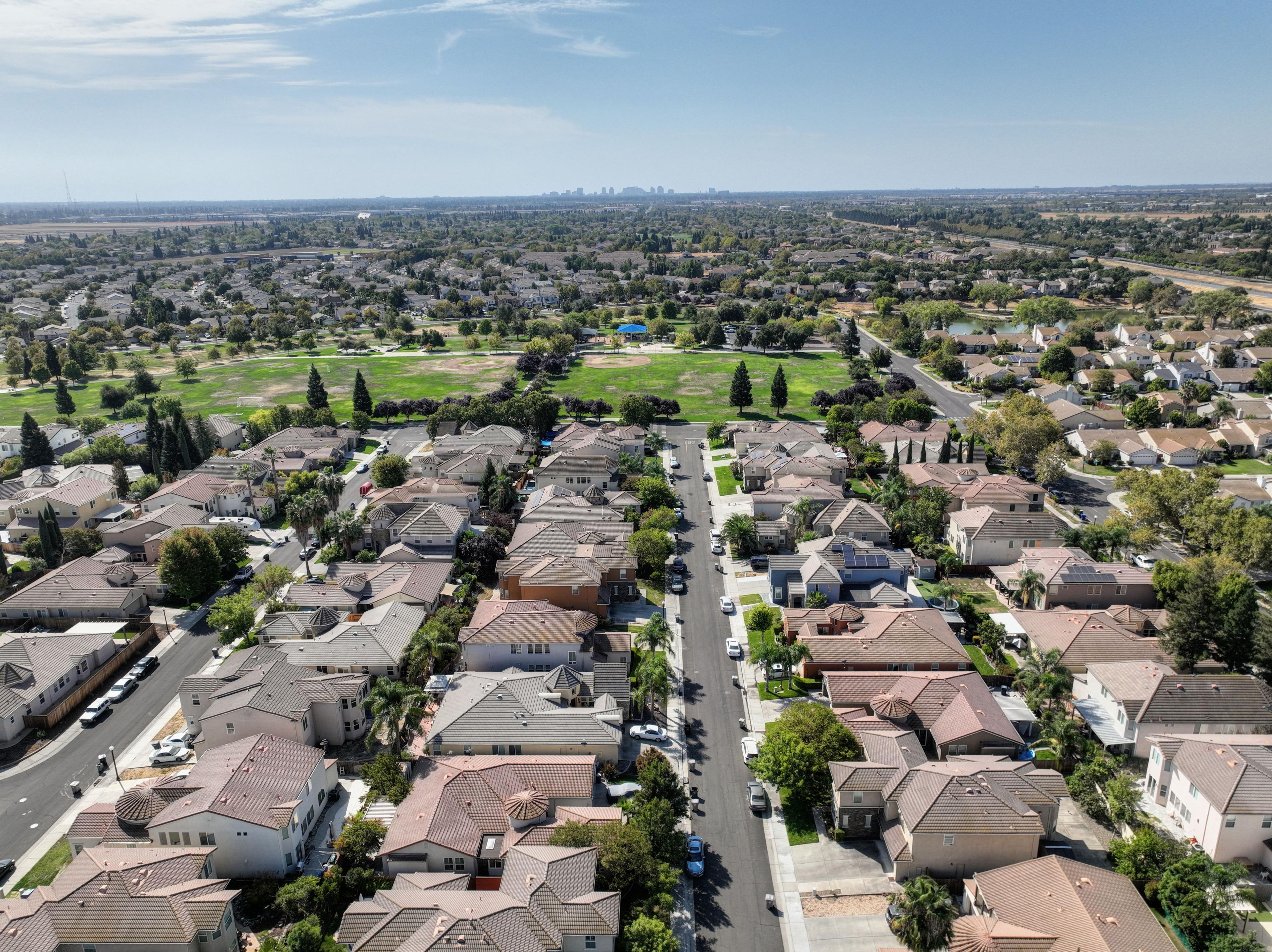
Design District ↗
- Median asking price
- $680,000
- / sq ft
- —
- Active listings
- Not available
- properties in discovery sample
- 10
CNearby schools · estimated
4.3/10 · 16 schools
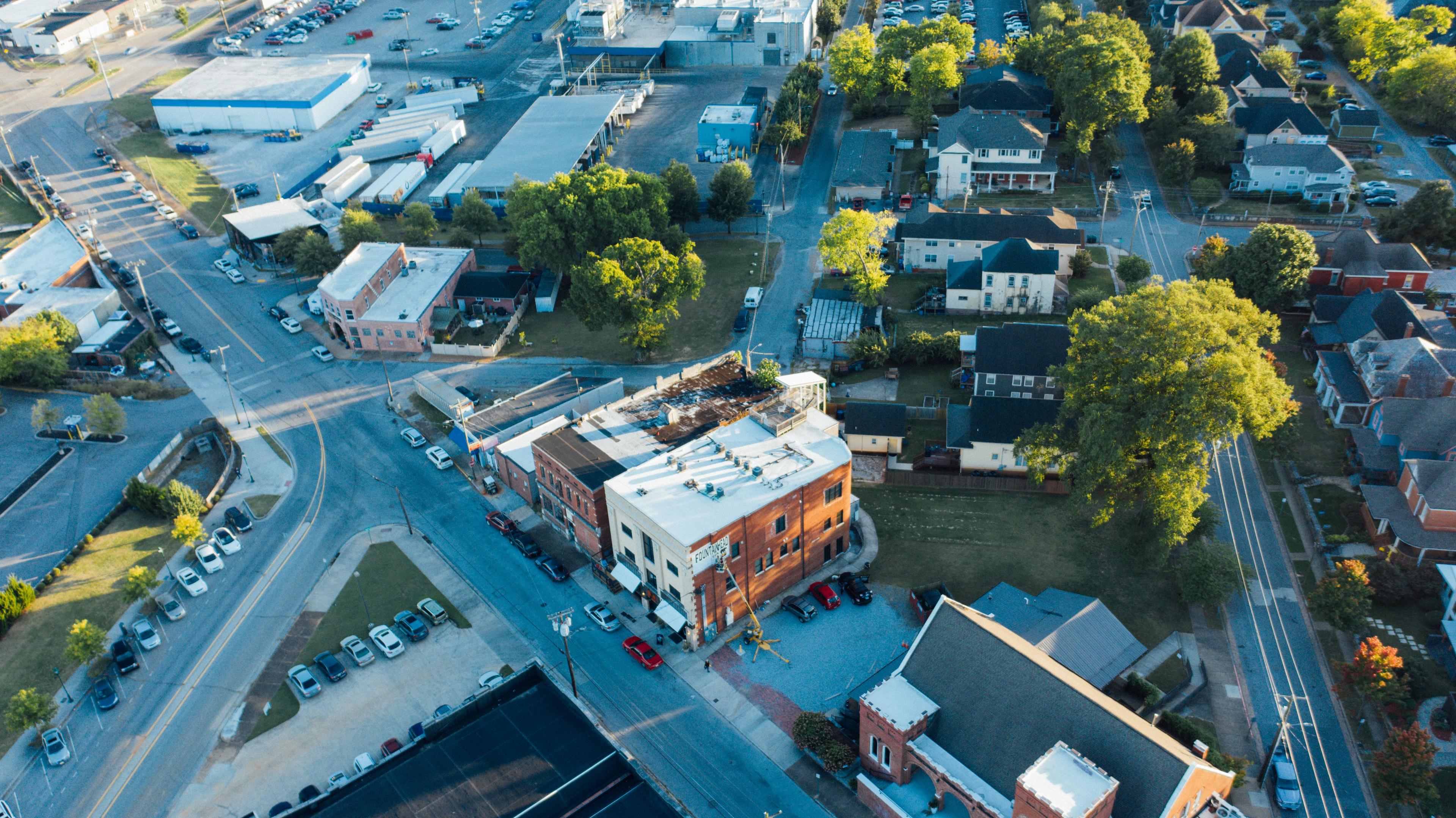
University Park ↗
- Median asking price
- $482,500
- / sq ft
- —
- Active listings
- Not available
- properties in discovery sample
- 8
BNearby schools · estimated
6.1/10 · 11 schools
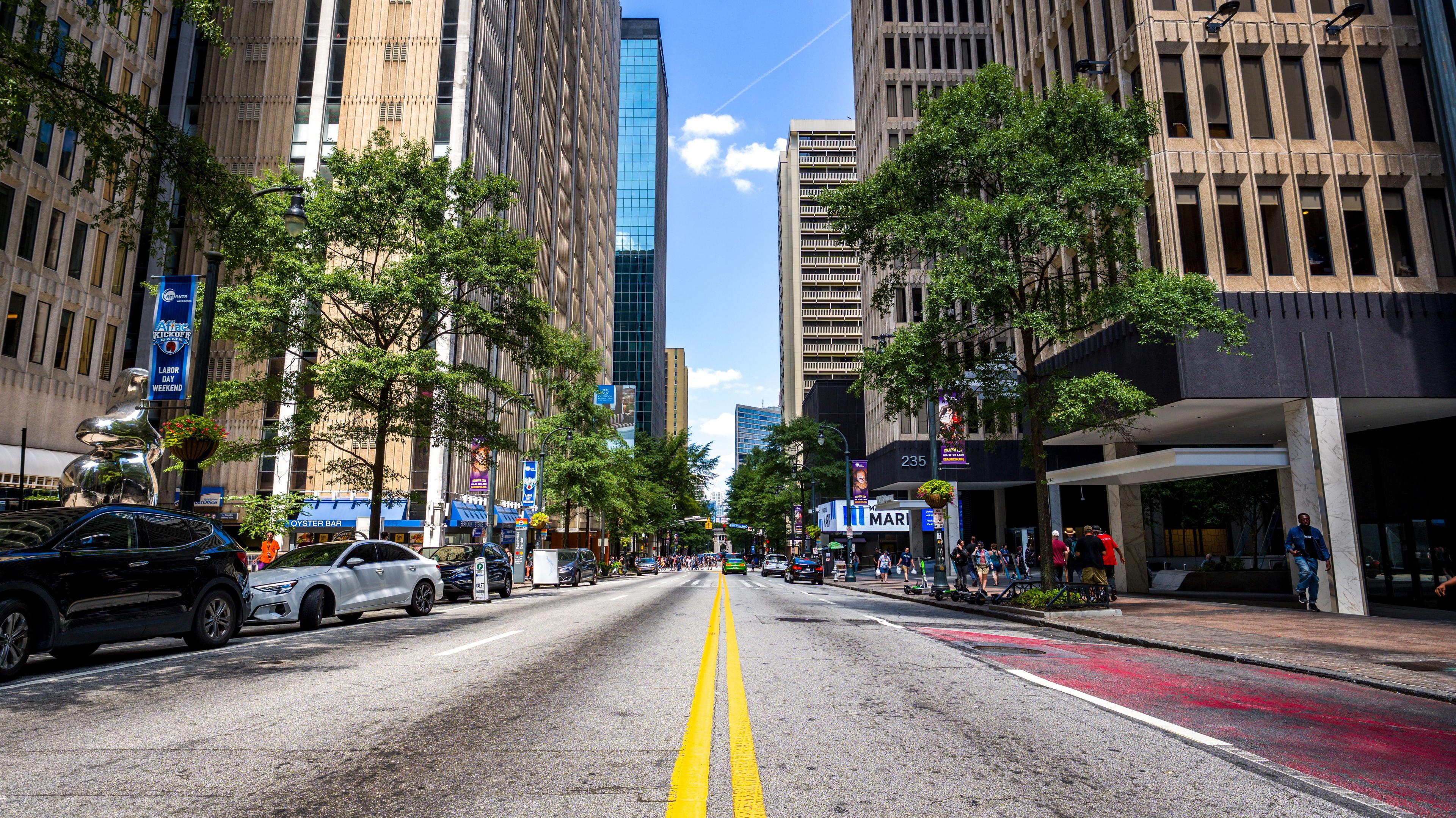
Sunset ↗
- Median asking price
- $850,000
- / sq ft
- —
- Active listings
- Not available
- properties in discovery sample
- 5
BNearby schools · estimated
6.5/10 · 11 schools
Buena Vista ↗
- Median asking price
- $987,500
- / sq ft
- $788
- Active listings
- 82
- properties in discovery sample
- 4
CNearby schools · estimated
5.3/10 · 11 schools
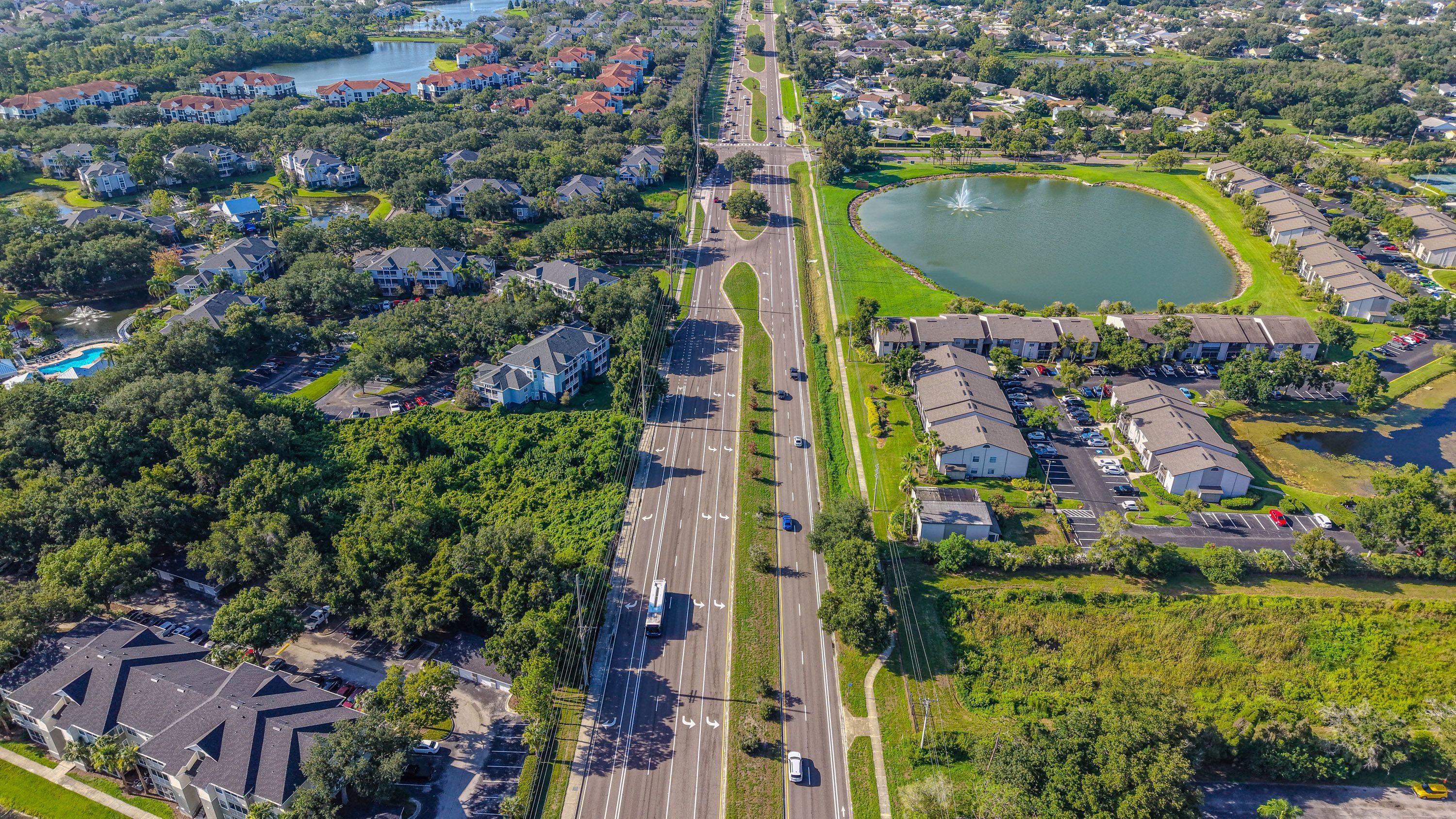
Poinciana ↗
- Median asking price
- $775,000
- / sq ft
- —
- Active listings
- Not available
- properties in discovery sample
- 3
BNearby schools · estimated
6.5/10 · 8 schools
Data as of . Listing snapshots from Redfin; nearby-school rating estimates.
About these neighborhood estimates
Prices and counts describe active listings returned by the provider, excluding coming-soon and nearby search results. They are asking prices, not sold prices, and may not include every home for sale.
Nearby-school grades are FastExpert estimates from the average available ratings of unique public schools returned for sampled neighborhood properties. A: 8–10; B: 6–under 8; C: 4–under 6; D: 2–under 4; F: 1–under 2. Unrated schools are excluded. Nearby schools may not be assigned to a specific address.
Photos show identified local landmarks. Five neighborhoods are shown, ordered by property count. Median asking price breaks a tie.