


Service Areas
About Michael Sechman
Community Involvement
HOBBIES/INTEREST
Credentials
LICENSE
Designation
Real Estate Investing
At Home with Diversity
ABR (Accredited Buyers Representative)
Certified Negotiation Expert
PSA (Pricing Strategy Advisor)
Seller Representative Specialist
Licensed Realtor
ePro
REALTOR
Specialties
- Buyer's Agent
- First Time Home Buyers
- Investment Properties
- Listing Agent
- Relocation
Awards
-


2026
TOP AGENT
Lebanon, PA
2026
TOP AGENT
Palmyra, PA
2026
TOP AGENT
Annville, PA
FAQ
Answered Questions
Days on market can create an opportunity, but it does not automatically mean the seller will accept a large discount. The strongest offer is based on evidence rather than simply how long the home has been listed. Have your agent compare the property with recent sales, competing active listings, previous price changes, and any differences in condition, location, or features. If those numbers support a lower value, submit the offer with a short explanation of the comparable sales used. Keep the tone factual and avoid criticizing the home or calling the seller's price unrealistic. Price is only one part of the negotiation. A strong preapproval, reasonable deposit, flexible settlement date, and clean contingency terms can make a lower offer more attractive. Before writing it, your agent should also contact the listing agent to learn whether timing, certainty, or another term matters most to the seller. Finally, decide your maximum price before negotiations begin. The goal is not simply to win a discountaEUR"it is to buy the home at a price and on terms that make sense for you.
A pre-listing inspection can be worthwhile, but I wouldn't recommend one automatically for every seller. It makes the most sense when the home is older, you suspect a significant problem, or avoiding surprises is more important to you than the upfront cost. The benefit is control. You can address important repairs on your own schedule, obtain realistic estimates, and price or disclose remaining issues before negotiations begin. However, the buyer will probably still conduct an independent inspection, and anything material you discover may need to be disclosed. Another option is to investigate only the areas that concern you. If you suspect a roof, electrical, HVAC, sewer, or moisture problem, a qualified specialist may provide more useful information than a general inspection. Before spending the money, I'd walk through the property with a local agent and discuss its age, condition, likely buyer concerns, and your disclosure obligations. The goal isn't to make the house perfect, it's to prevent a manageable issue from becoming an unexpected problem after you accept an offer.


Contact Information
Location
Social Media


Available Listings View All

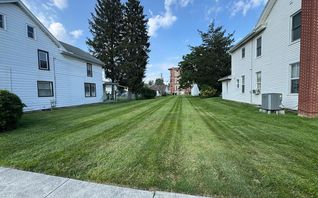
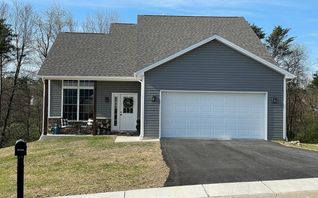
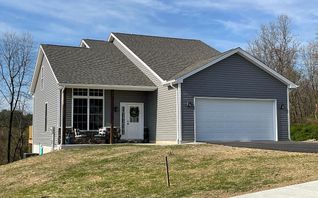 View All Listings
 ZillowVERIFIED