



Service Areas
About Chris Doherty
OTHER LANGUAGES
Community Involvement
HOBBIES/INTEREST
FAMILY
Specialties
- Buyers
- Sellers
- Rentals
- Commercial Property
- Mobile Homes
- Residential Property
Buyer's Agent, Listing Agent, Relocation, Luxury, Investment
Awards
-


2026
TOP AGENT
Lowell, MA
2026
TOP AGENT
Dracut, MA
2026
TOP AGENT
Tewksbury, MA
Other Awards
Real Trends and WSJ #3 Agent Transactions, NEAR 2024 Platinum Award Top Sales Honor
Answered Questions
When a lender gives you a pre-approval, it's usually for the maximum you can qualify for on paper, not necessarily what you'll be comfortable paying each month. A better approach is to work backwards from your budget: First, Aim to keep your monthly housing costs (mortgage, taxes, insurance, HOA if any) around 25"28% of your gross monthly income. Second, Factor in property taxes, homeowners insurance, and maintenance, not just the mortgage. Third, With 20% down, you'll be in a strong position, but choose a price that leaves room for savings, retirement, and lifestyle goals. Bottom line: Don't shop at the top of your pre-approval. Shop at the number where your monthly payment feels manageable and still allows you to live the life you want.
The first step in buying a home is getting pre-approved by a lender. That way you know exactly what you can afford, strengthen your offer with sellers, and move faster when you find the right property.
Yes, it's possible to buy a home with little to no money down and sometimes without paying closing costs. Options include VA loans (for veterans and active military), USDA loans (for eligible rural areas), and FHA loans with down payment assistance programs. In some cases, sellers can also give credits toward closing costs. Every situation is different, but with the right loan program and negotiation, buyers can get into a home with very little out of pocket.
A private listing can be useful for quietly testing the market, but it often limits your exposure. With fewer buyers seeing your home, you may reduce competition aEUR" and competition is what usually drives up price. In some cases, a private listing can lead to a quick, clean sale, but if your goal is to maximize value, putting the home on the open market typically gives you the best chance at multiple offers and a higher sales price.
It's completely normal to feel that way aEUR" pricing a home is both an art and a science. A good agent should be able to show you recent comparable sales, explain how buyers are reacting in today's market, and walk you through their pricing strategy. If you feel the price is too low, have an open conversation and ask to see the data behind their recommendation. You may be able to meet in the middle with a strategy that tests the market while still attracting buyers. If you don't feel comfortable or confident after that discussion, it's perfectly fine to get a second opinion from another agent before you commit. The right fit is important aEUR" you want someone who listens to your goals while guiding you with market facts.
Raffling off a house sounds creative, but in most states it's not legal to do on your own. Raffles are considered a form of gambling and are usually restricted to licensed nonprofits, with strict rules around permits, disclosures, and how the proceeds are handled. That's why most of the stories you hear involve charities rather than individual homeowners. If you want to sell your home, the safer route is a traditional listing or exploring alternative marketing strategies. If you're serious about a raffle-type idea, you'd need to check with an attorney and your state's gaming commission first aEUR" otherwise you could run into legal trouble.
You don't have to tell your agent you're moving because of neighbors if you'd prefer not to. Personal reasons for selling are private. What matters is disclosing material facts about the property itself aEUR" things like structural issues, water damage, or defects that affect value or safety. That said, each state has its own disclosure requirements, and in some places sellers must disclose certain neighborhood or nuisance issues if they materially impact the home. Your best bet is to ask your agent what the law requires in your state so you stay compliant while keeping the focus on your home's strengths.
Most states don't set a strict time limit (like 10 years) on disclosures. Instead, the rule is that you must disclose known, material defects aEUR" anything that could affect the home's value or safety. If a past issue has been fully repaired and hasn't been a problem for many years, it usually isn't considered a current defect. That said, disclosure laws vary by state. Some disclosure forms specifically ask about any history of water or flooding, no matter how long ago. If that's the case where you live, you should answer honestly and also explain the repairs and improvements you made (like the sump pumps and 15 years of a dry basement). Often, buyers appreciate the transparency and the fact that you invested in a lasting solution. When in doubt, it's safest to disclose and explain rather than risk a dispute later. Your real estate agent or attorney can guide you on the exact requirements for your state.


Contact Information
Location
Social Media


Available Listings View All



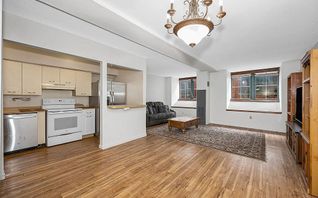 View All Listings
Marketing Materials

 ZillowVERIFIED