



Service Areas
Specialties
- Sellers
- Buyers
- Residential Property
- Commercial Property
Awards

2026
TOP AGENT
Crofton, MD
2026
TOP AGENT
Gambrills, MD
2026
TOP AGENT
Glenn Dale, MD
Answered Questions
Yes, it may still be possible, especially since you own your home free and clear. As a veteran, the option you would likely be looking at is a **VA cash-out refinance**, which allows you to take equity out of your home even if there is currently no mortgage on the property. With this type of loan, a new mortgage is created and you receive the cash from your equity. For example, if your home is worth significantly more than the $125,000 you want to borrow, the lender would simply place a new mortgage on the home for that amount. The Department of Veterans Affairs itself does not set a minimum credit score for VA loans. However, most lenders do have their own guidelines, and many prefer to see scores of at least 580"620. That said, some VA-experienced lenders may consider a lower score, particularly when there are strong compensating factors like significant equity, a relatively small loan compared to the value of the home, and stable retirement or pension income. Because you are only looking to borrow $125,000 and the home is paid off, that can make the scenario more workable for certain lenders. My recommendation would be to speak with a lender that specializes in VA loans or a credit union that regularly works with veterans. They will be able to review your income, the estimated value of your home, and your credit profile to determine whether a VA cash-out refinance is feasible in your situation. If your score can be improved even slightly, it may also increase the number of lenders willing to approve the loan and help you obtain better terms.
What you're referring to is **private mortgage insurance (PMI)**. PMI isn't actually a tax, but an insurance policy that protects the lender when a buyer puts down less than 20% on a conventional loan. There are a few ways buyers try to structure financing to avoid PMI, although each option comes with its own pros and cons. One option is a **piggyback loan**, sometimes structured as an **80/10/10 loan**. In this setup, the first mortgage covers 80% of the purchase price, a second loan covers 10%, and the buyer brings the remaining 10% as their down payment. Because the primary mortgage stays at 80% loan-to-value, PMI is not required. There are also situations where buyers structure an **80/20 loan**, where the first mortgage is 80% of the purchase price and the remaining 20% is financed through a separate second loan rather than a down payment. This also avoids PMI, but it means you are carrying two loans and the second mortgage typically has a higher interest rate. Some buyers also use **gift funds from family members** to reach the 20% down payment threshold, which many loan programs allow as long as the funds are properly documented. Another possibility is **lender-paid mortgage insurance**, where the lender covers the PMI but charges a slightly higher interest rate on the loan. It's also important to know that PMI on conventional loans is **not permanent**. Once the loan balance reaches about 78"80% of the home's value, the PMI can typically be removed. For many buyers, paying PMI for a few years is actually the most practical solution if it allows them to purchase sooner rather than waiting years to save a full 20% down payment. A knowledgeable lender can review your finances and help determine which structure makes the most sense for your situation.
Contact Information
Location
Social Media

Available Listings View All
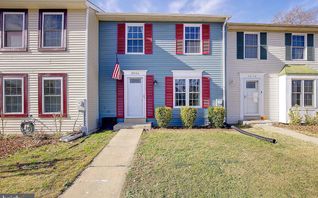
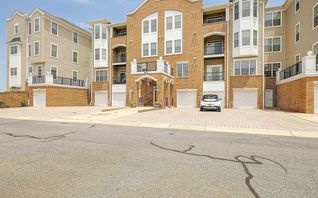 View All Listings
 ZillowVERIFIED