



Service Areas
About Austin Moore
OTHER LANGUAGES
Community Involvement
HOBBIES/INTEREST
FAMILY
Credentials
LICENSE
Designation
Seniors Real Estate Specialist
Seller Representative Specialist
Top Producer
Licensed Realtor
Real Estate Broker
Broker / Associate Broker
REALTOR
Specialties
- Buyers
- Sellers
- Residential Property
Longview real estate specialist helping buyers and sellers win with smart pricing, strong marketing, and clear guidance.
Awards

2026
TOP AGENT
Longview, TX
2026
TOP AGENT
Hallsville, TX
2026
TOP AGENT
Kilgore, TX
Other Awards
Built a referral based real estate business through consistent client satisfaction and trust.
FAQ
Answered Questions
Yes, in many cases you absolutely can buy a home while on maternity leave. The biggest thing is not whether you are on leave. It is how the lender documents your income and your return to work. I have seen buyers get approved during maternity leave, but the lender usually wants to see a few key things: what your current leave pay looks like, when you are scheduled to return, and whether your employer has confirmed that your job is still in place. If your income is temporarily reduced, that can affect how much home you qualify for right now. But it does not automatically mean you cannot buy. Sometimes the numbers still work as is. In other cases, the lender may need to factor in your temporary income, your spouse's income, available savings, or your return to work timing before giving you a final answer. My advice would be to talk with a good lender early, before you start shopping seriously. That way you can get a clear picture of what payment range is comfortable, what documentation will be needed, and whether it makes more sense to buy now or wait until you are back at full income. Every situation is a little different, but maternity leave by itself is not a deal breaker. It just means the financing side needs to be handled carefully and with the right paperwork.
Yes, in many cases you absolutely can buy a home while on maternity leave. The biggest thing is not whether you are on leave. It is how the lender documents your income and your return to work. I have seen buyers get approved during maternity leave, but the lender usually wants to see a few key things: what your current leave pay looks like, when you are scheduled to return, and whether your employer has confirmed that your job is still in place. If your income is temporarily reduced, that can affect how much home you qualify for right now. But it does not automatically mean you cannot buy. Sometimes the numbers still work as is. In other cases, the lender may need to factor in your temporary income, your spouse's income, available savings, or your return to work timing before giving you a final answer. My advice would be to talk with a good lender early, before you start shopping seriously. That way you can get a clear picture of what payment range is comfortable, what documentation will be needed, and whether it makes more sense to buy now or wait until you are back at full income. Every situation is a little different, but maternity leave by itself is not a deal breaker. It just means the financing side needs to be handled carefully and with the right paperwork.
From what I've seen here in Longview, selling an inherited house is usually very manageable, but the part that slows people down is almost never the actual buyer side. It is usually the paperwork, family coordination, and figuring out exactly who has the authority to sign and move everything forward. In the Longview area, one of the first things I would want to know is whether probate is needed, whether there are multiple heirs involved, and whether everyone is in agreement on the plan. If those pieces are clear early, the process gets a whole lot easier. The other big factor is the condition of the home. A lot of inherited properties in Longview have been owned for years, so sometimes there is deferred maintenance, personal belongings still in the house, or repairs that feel overwhelming. The good news is you do not always have to fix everything to sell it. A lot of times, the better move is to come up with the right pricing and marketing strategy based on the home's condition and your timeline. I would also tell you to pay attention to the holding costs while you are deciding what to do. Property taxes, insurance, utilities, lawn care, and general upkeep can start adding up faster than people expect, especially if the home sits for a while. If your goal is to get it sold quickly and move on, I would start by making sure the legal side is clear, then get honest advice on what the home is worth as is versus what it might bring with a little work. In my experience, the smoothest inherited home sales in Longview happen when you keep the plan simple, price it right, and work with people who know how to navigate both the property side and the family side of it.
If it were me, I would not make the decision based only on the fact that the first showing produced a full price offer. I would make it based on whether that offer is truly the best overall terms you could hope for. In real life, full price does not always mean best deal. I would want to look closely at the financing, option period, repair expectations, appraisal risk, closing timeline, and how serious and qualified the buyer really is. Sometimes the first buyer is absolutely the right buyer. Other times, putting the home on the open market creates more competition and gives you better leverage, even if the price stays the same. From what I have seen, when a home gets a very fast offer, it can mean one of two things. Either you found the right buyer quickly, or the home may have been attractive enough that broader exposure could have brought multiple offers. That is why I usually would not look at price alone. If you are already at your desired number and the terms are clean, there is nothing wrong with accepting it and moving on. A smooth full price deal in hand is hard to dismiss. But if there is any part of you wondering whether the market never really got a chance to speak, listing it publicly for proper exposure is a reasonable move too. The main thing is to compare certainty versus upside. If the offer is strong, clean, and gives you exactly what you wanted, taking the gift is not a bad decision at all. If the terms are shaky or you want to know you truly tested the market, then broader exposure may be worth it.
Yes, they absolutely matter. From what we've seen in Longview, professional photos are not just a nice extra. They are one of the biggest factors in whether a buyer even decides to look at your home in the first place. Buyers usually see the home online before they ever step foot in it, so if the photos are dark, crooked, or do not show the home well, you can lose interest before the showing ever happens. Video matters too, especially when it is used the right way. Not every single house needs some huge cinematic production, but strong video and social media marketing can create a lot more attention, more shares, and more urgency around a listing. That can absolutely help drive better activity and sometimes stronger offers. In my experience, great marketing does not sell a bad house for an unrealistic price, but it does help a well priced home get in front of more of the right buyers. That is where it can affect both interest level and final sale price. The more serious eyes you get on a property early, the better your chances of creating competition and putting the seller in a stronger position. So no, I would not call professional media just standard marketing fluff. In today's market, it is part of presenting the home the right way and giving it the best chance to stand out.
From what I've seen in Longview, I would not make this decision based on commission alone. A lower fee can sound great up front, but the bigger question is what you are actually getting for that fee. The real issue is not whether someone charges less. It is whether they can still deliver strong pricing strategy, quality marketing, sharp negotiation, good communication, and the kind of exposure that helps a home sell well. Sometimes a discount model works out just fine. But I have also seen sellers save a little on the front end and give up much more on the back end through weaker marketing, poor negotiation, missed details, or a lower final sales price. That is where it can become expensive in a hurry. In the Longview market, the best results usually come from the agent or brokerage that knows how to price the home correctly, present it well, create demand, and manage the deal from start to finish. If a discount brokerage can truly do all of that, then great. But I would look closely at what their actual process is, not just the number they quote. My advice would be to focus less on who is cheapest and more on who gives you the best chance to net the most money with the least stress. Saving on commission does not always mean saving money overall.
I would handle this with honesty and strategy. Here in Longview, if something next door has become a real recurring problem, I would not try to pretend it is nothing. At the same time, I would not present it more dramatically than it really is either. The goal is to deal in facts. In Texas, sellers of most previously occupied single family homes are generally required to provide a Seller's Disclosure Notice, and that form is based on the seller's knowledge of material facts and the property's condition. [oai_citation:0aEUR!TREC](https://www.trec.texas.gov/forms/sellers-disclosure-notice-0?utm_source=chatgpt.com) So if the house next door is truly creating an ongoing nuisance, I would talk with your agent about the right way to address it and, if needed, get legal guidance. I would also keep records of what has actually happened, whether that is repeated noise, police calls, complaints, or other documented issues, instead of relying on emotion or assumptions. On the sales side, I would be smart about timing. If weekends are the problem, I would avoid open houses during those windows and lean more on private showings, strong photos, and a pricing strategy that keeps your home competitive. Bottom line, yes, you can still sell it. I just would not try to hide a known issue if it is genuinely affecting the property. In my experience, the best approach is to stay factual, disclose appropriately, and control the showing experience as much as possible.
I would not automatically accept it just because it came in fast, and I would not automatically reject it either. To me, this really comes down to whether you got the best overall deal or just the first deal. Full list price sounds great, but price is only one part of the offer. I would want to know how strong the financing is, how much the buyer is putting down, how long the option period is, what kind of repair requests might be coming, how clean the closing timeline is, and whether there is any appraisal risk. In my experience, a quick full price offer can mean you found the right buyer right away, or it can mean the home may have drawn even more interest if it had wider exposure. That is why I would look at the full picture before deciding. If the terms are clean and you are truly happy with the number, there is nothing wrong with taking the win. A strong offer in hand is real. Potential future offers are not. But if you are already second guessing whether the home should be tested on the open market, that is worth talking through with your agent before you sign anything. I would look at it this way. If the current offer gives you the price, terms, and certainty you were hoping for, taking it can be the smart move. If you feel like the market never really had a chance to compete for the house, then broader exposure may be worth considering before locking in.
Not necessarily. In my experience, a price reduction only starts to look desperate when it feels random, repeated, or long overdue. Here in Longview, buyers usually understand that price adjustments are a normal part of the process when a home is not getting the response the seller expected. Sometimes the market gives you feedback quickly. If showings are happening but offers are not, or if activity is slow from the start, a smart price correction can actually make the listing look more in tune with the market, not weaker. Where sellers get into trouble is when they start too high, sit too long, and then make several small reductions that do not really solve the problem. That can make buyers wonder what is wrong or make them think they should wait for another drop. A well timed, meaningful adjustment is very different from a string of hesitant little cuts. One strategic reduction can bring fresh attention, put the home back in front of buyers who missed it before, and create momentum again. So no, a price reduction does not automatically make a home look desperate. If it is done with purpose and based on real market feedback, it can actually be the move that gets the home sold.


Contact Information
Location
Social Media


Available Listings View All

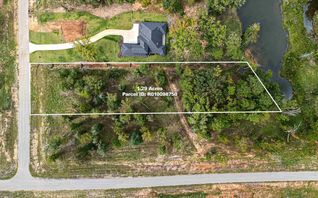
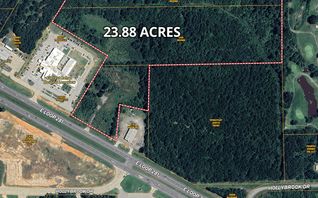
 View All Listings
Trusted Professionals

Trusted Pro
Austin Moore is a Trusted Pro with a network of verified professionals.

Real Estate Agent